
Day Trips from Rome: the Best Ones, by Train or by Car
Twelve day trips from Rome, nearest first, with the times by train and by car and a guide for each one.
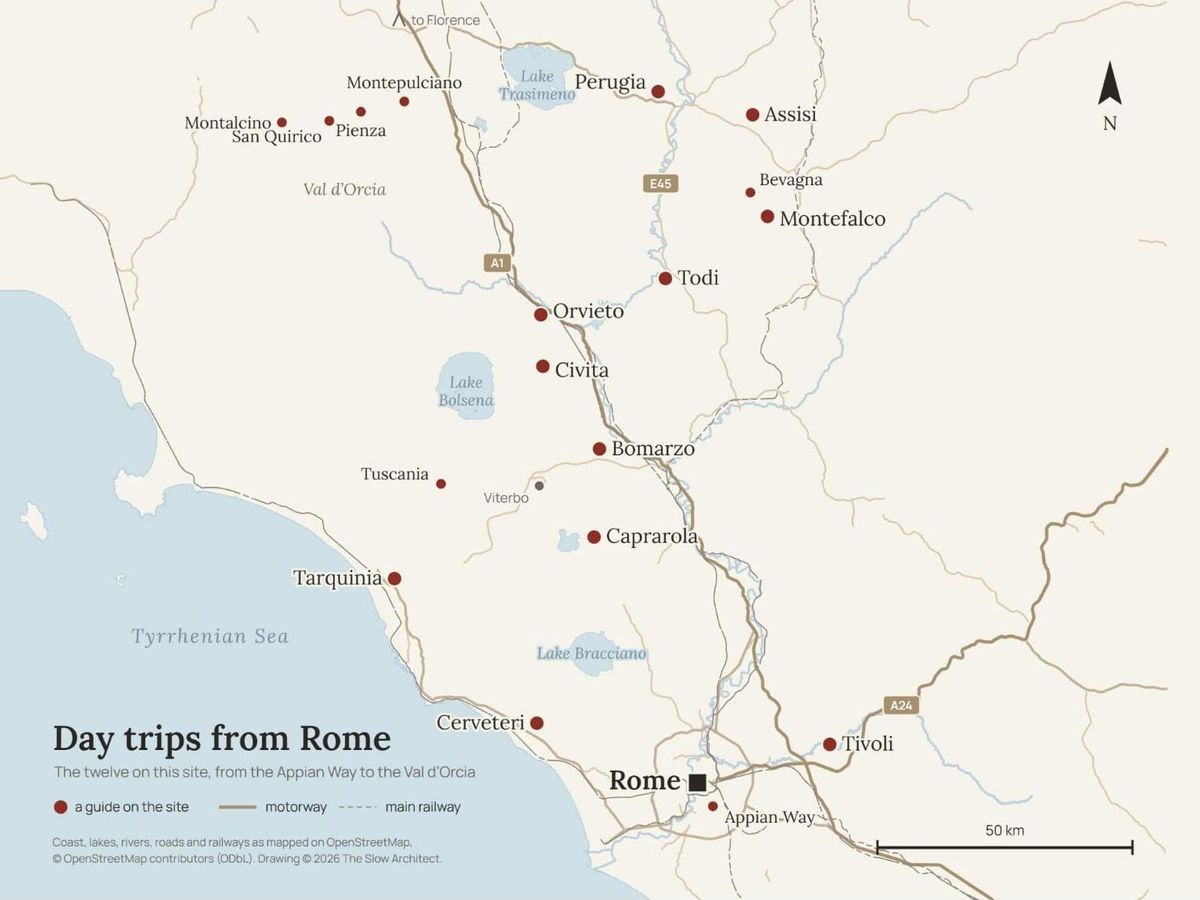
Twelve day trips from Rome, each with its own guide: how long they take by train and by car, who they are for, and what to expect. The first ones fit easily in a day; the last ones are two hours away or more, and there the advice is almost always to stay the night.
These are the day trips from Rome on this site, nearest first. I have been to all of them, and each has a guide that tells you how to get there, in what order to go round, what to skip, with hours and tickets checked against the official sites. This page is for choosing, not for planning: a few lines for each trip, the times, and the guide, where the numbers are.
One thing first. Up to Orvieto and Civita, a day is plenty. Beyond two hours you can still do it in a day, but almost every one of those guides gives the same advice: stay a night. The last four on this page are here for that reason, Perugia apart. More than day trips, they are the first stop on a journey, usually towards Florence.
The train gets you easily to Orvieto and Tivoli and, with more patience, to Assisi and Perugia. For everything else you need a car, and every guide tells you where to leave it. Further down, the trips by train, one by one.
Under an hour
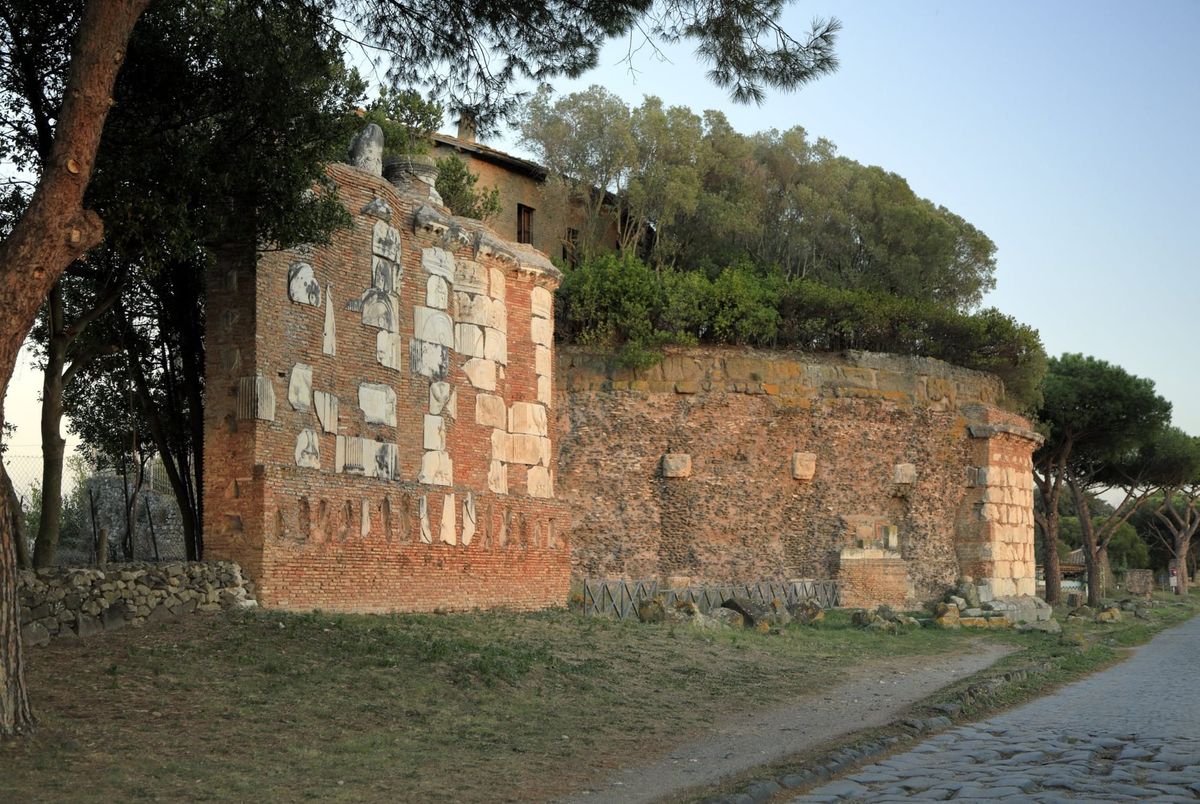
The Appian Way. It isn't really a day trip: it is inside Rome, and you get there on the 118 bus from the centre, or on foot from the Colosseum. Half a day on foot, from Porta San Sebastiano to the Tomb of Caecilia Metella at the third mile; a whole day by bike, out to the Villa dei Quintili and Casal Rotondo. Avoid Mondays, the days after rain, and summer. The road has two essays of its own: why the tomb stands where it does, and who made the Appian Way we see today.
 Giulio Romano
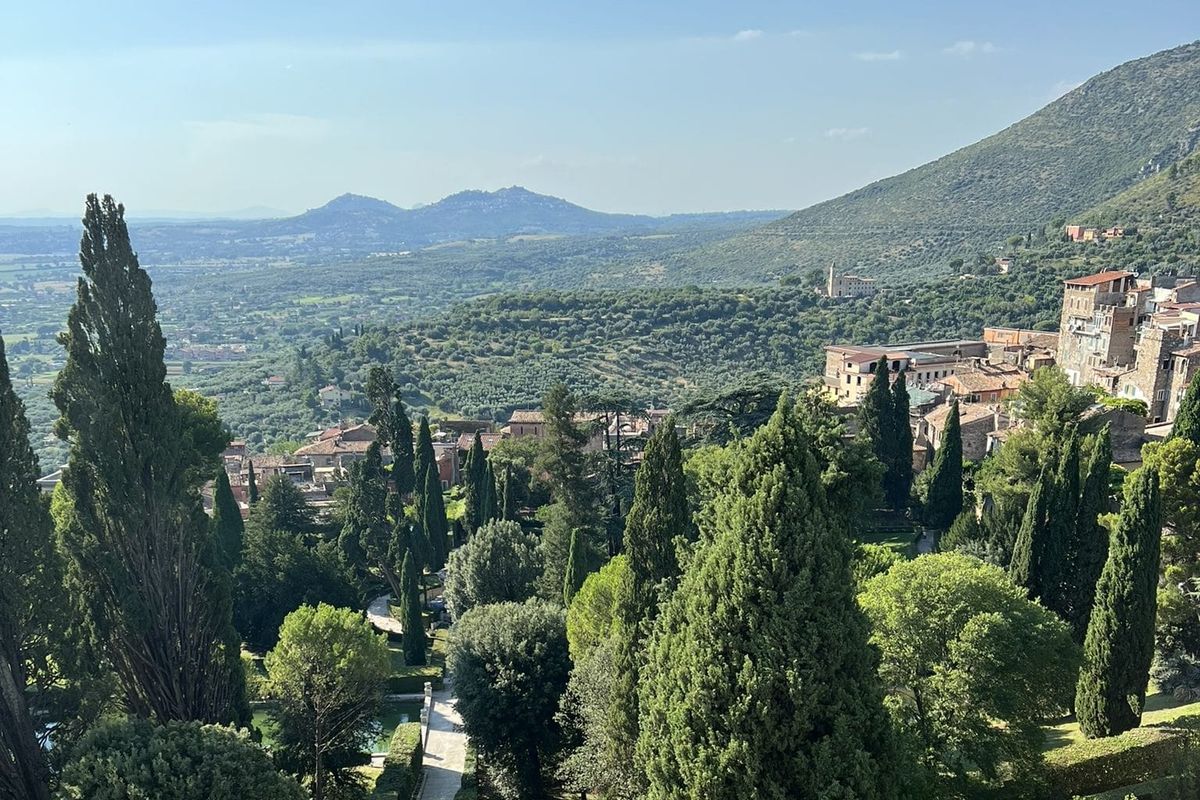
Tivoli. Forty minutes by car on the A24; an hour by train from Tiburtina, then a quarter of an hour uphill on foot to Villa d'Este. Two villas, two hours each, half an hour on the road between them: a full day that ends at five. If you have to cut, cut the town, not the villas. The essays: the water of Villa d'Este, and its palace.
 Giulio Romano
One to two hours
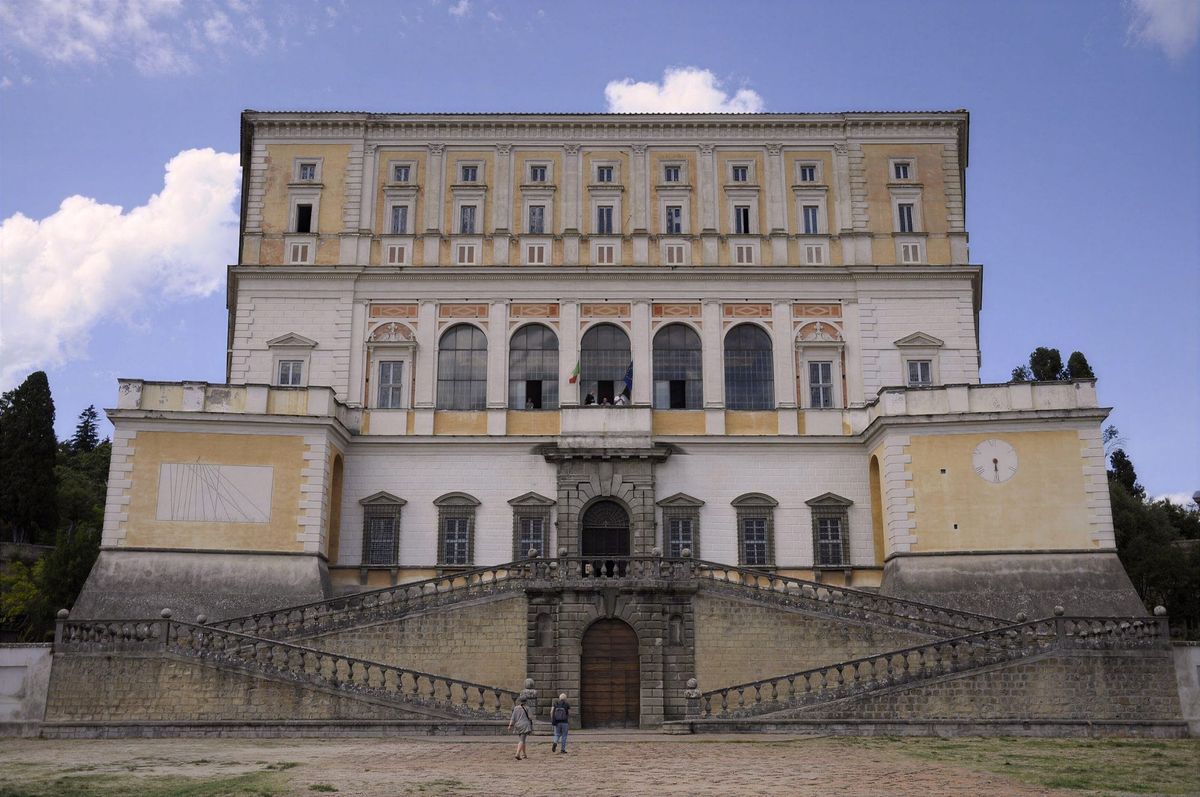
Caprarola. An hour by car up the Via Cassia. The train doesn't get there; the bus from Saxa Rubra does, with only a handful of runs a day. Half a day for the walk up the Via Dritta and the palace, gardens included, and the gardens are not to be skipped; a full day with Nepi, half an hour away. The essays: the town turned into a stage set, and the frescoes.
 Giulio Romano
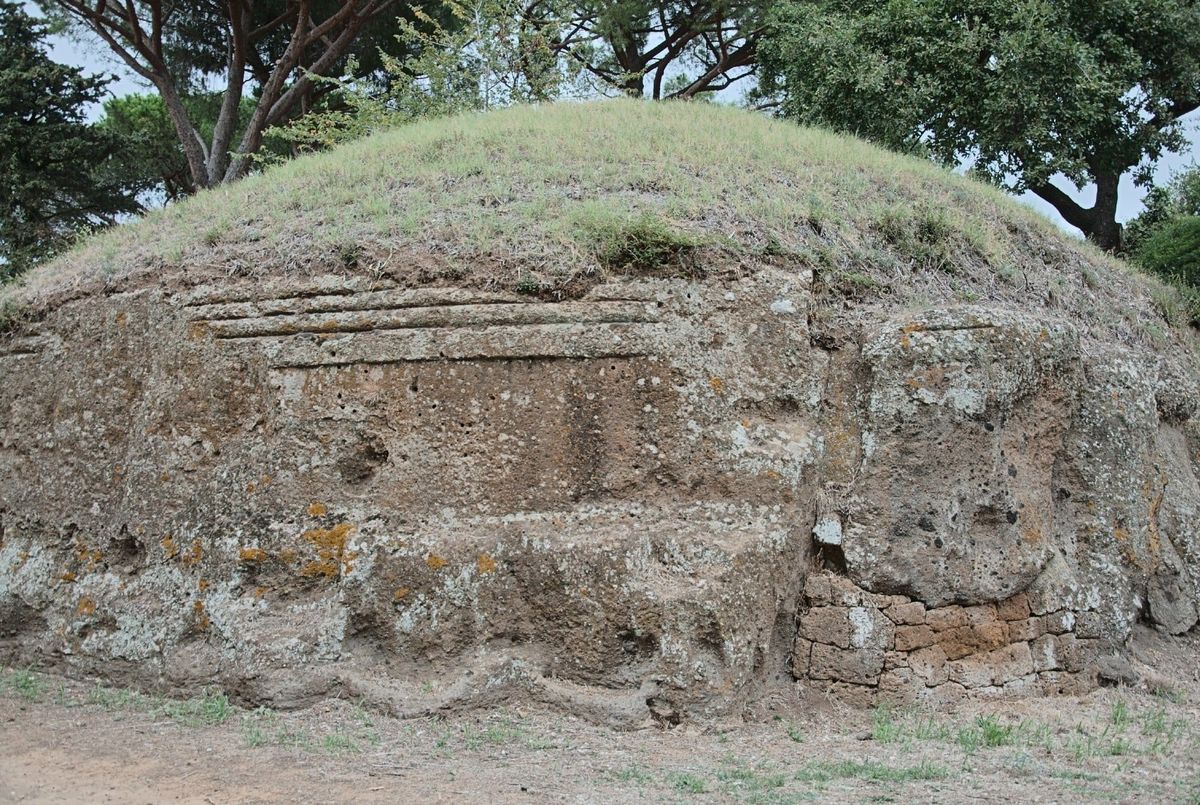
Tarquinia, Cerveteri and Tuscania. The two Etruscan cities of the dead, by car: Cerveteri about fifty kilometres from Rome, Tarquinia about ninety. The two necropolises fit in a day, in a rush; with a night inland, near Tuscania, it becomes the trip I recommend. Without a car, one necropolis a day. On Mondays the necropolises, the museums and the churches of Tuscania are closed, apart from the visits the Park runs that day by booking.
 Giulio Romano
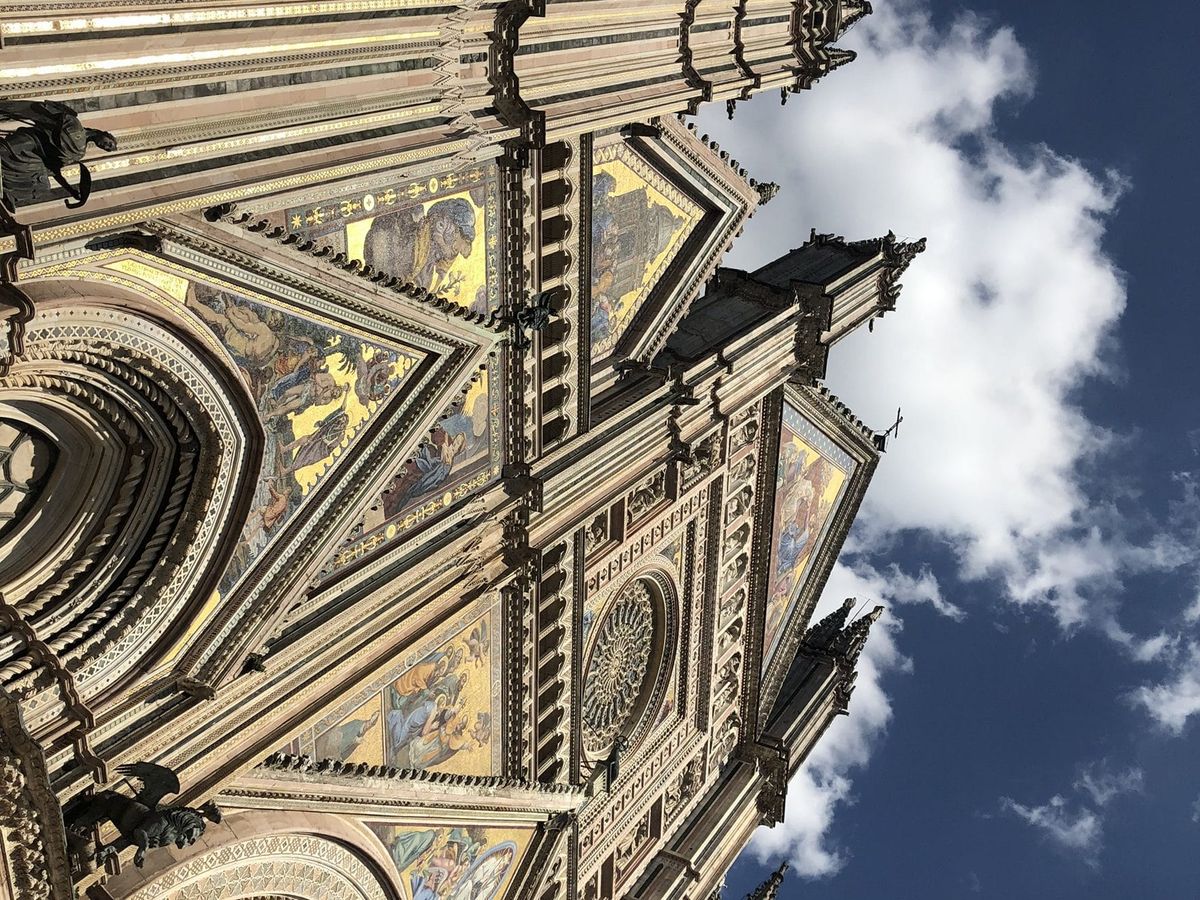
Orvieto. The easiest day trip from Rome there is: an hour and a quarter by train from Termini, roughly one an hour; an hour and a half by car on the A1. A full day; with a night it becomes a journey. The train, if Orvieto is enough; the car, if you want Civita too. The essay: the cathedral that became a lighthouse.
 Giulio Romano
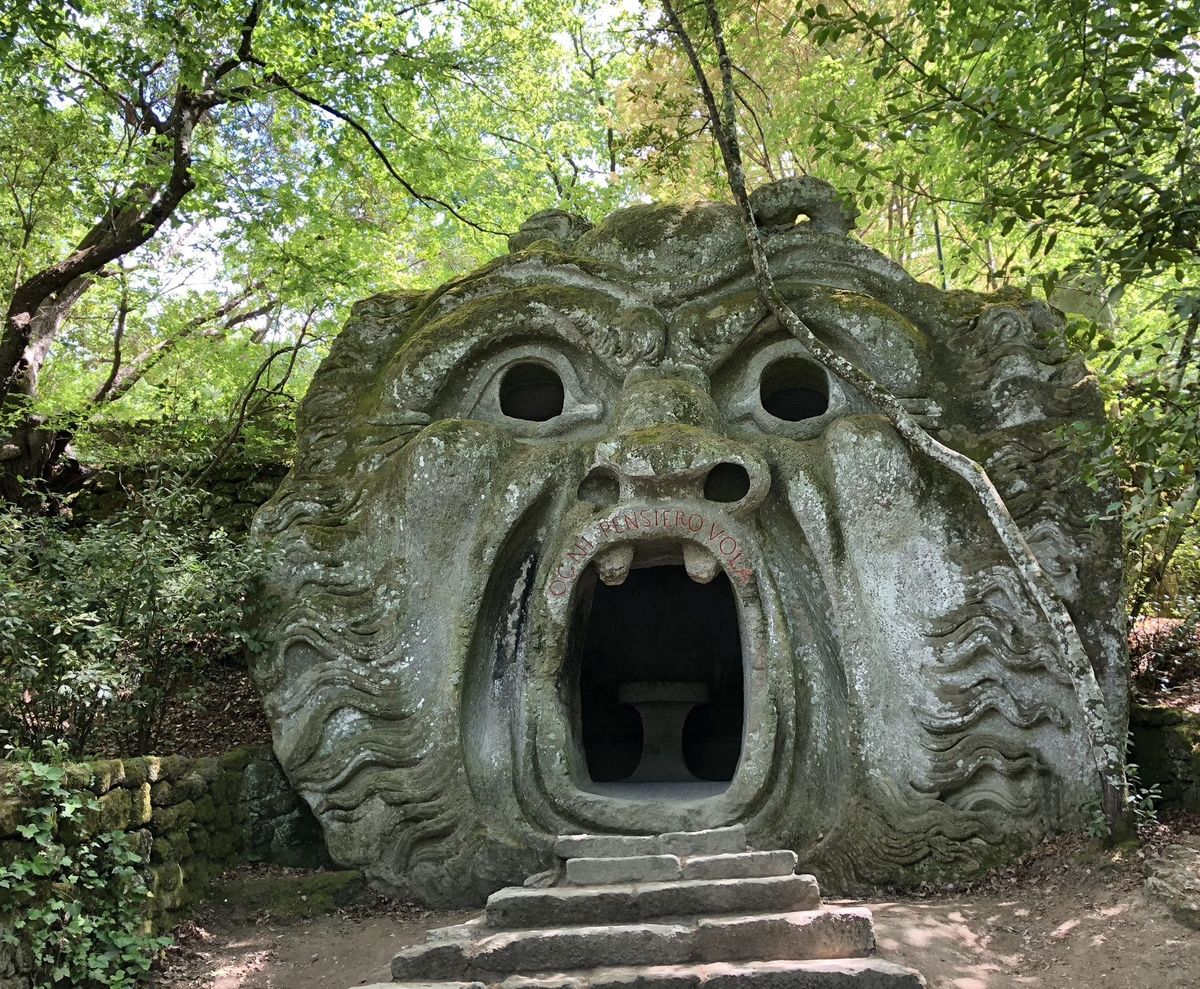
Bomarzo. An hour and a half by car on the A1. The nearest station, Attigliano-Bomarzo, is five kilometres from the park, and the buses are few. An hour and a half in the wood, two with children, for whom it is worth twice as much; the afternoon in Viterbo, half an hour away. The essay: the garden that doesn't explain itself.
 Giulio Romano
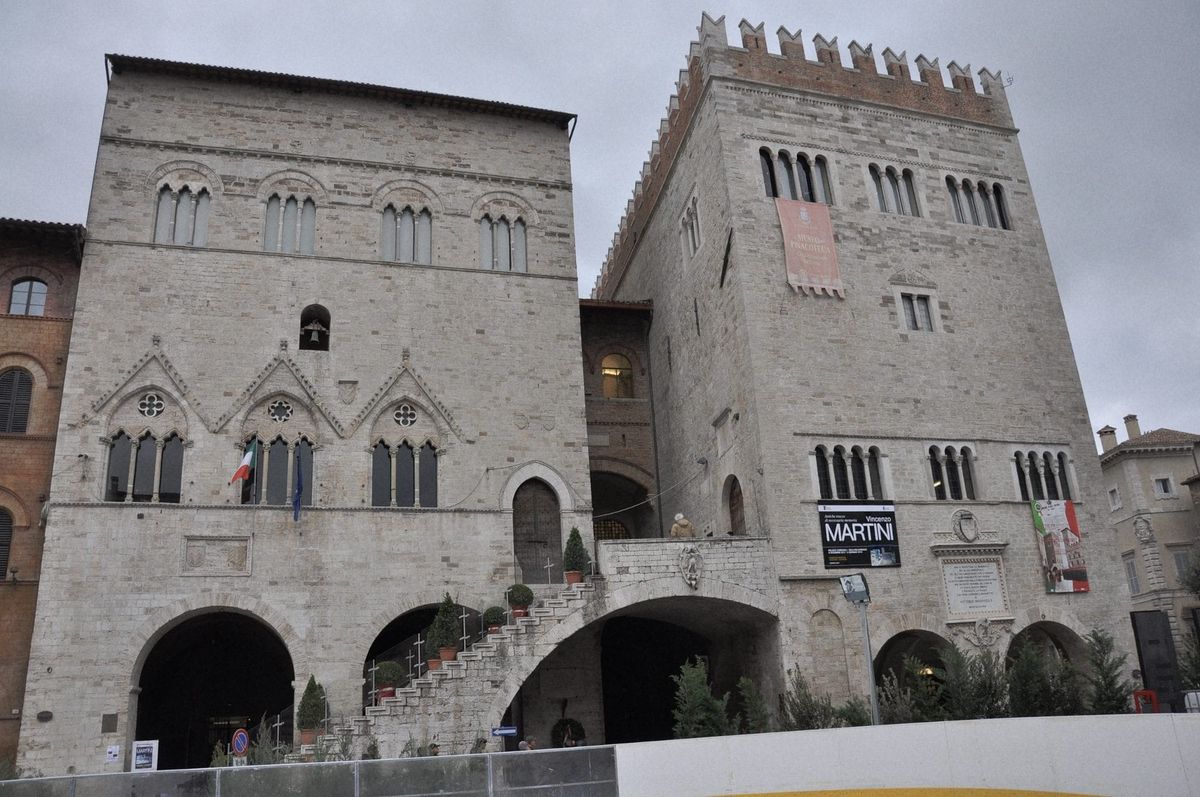
Todi. An hour and a half by car on paper, an hour and three quarters with Rome's traffic. No train, and the bus leaves you down in the valley. You can do it in a day, but there and back is a long one: better a night, or a stop on the way to Florence. One day only, Todi or Orvieto? Orvieto. The essay: the threshold and the city.
 Giulio Romano
Civita di Bagnoregio. An hour and three quarters by car: the A1 as far as Orvieto, then half an hour of road. By train you get to Orvieto, and from there the Cotral bus, which doesn't run on Sundays. Half a day for the village; the whole day with the walk in the Valle dei Calanchi. It is worth it in winter as much as in summer. The essays: the city that is dying, and the restoration.
 Giulio Romano
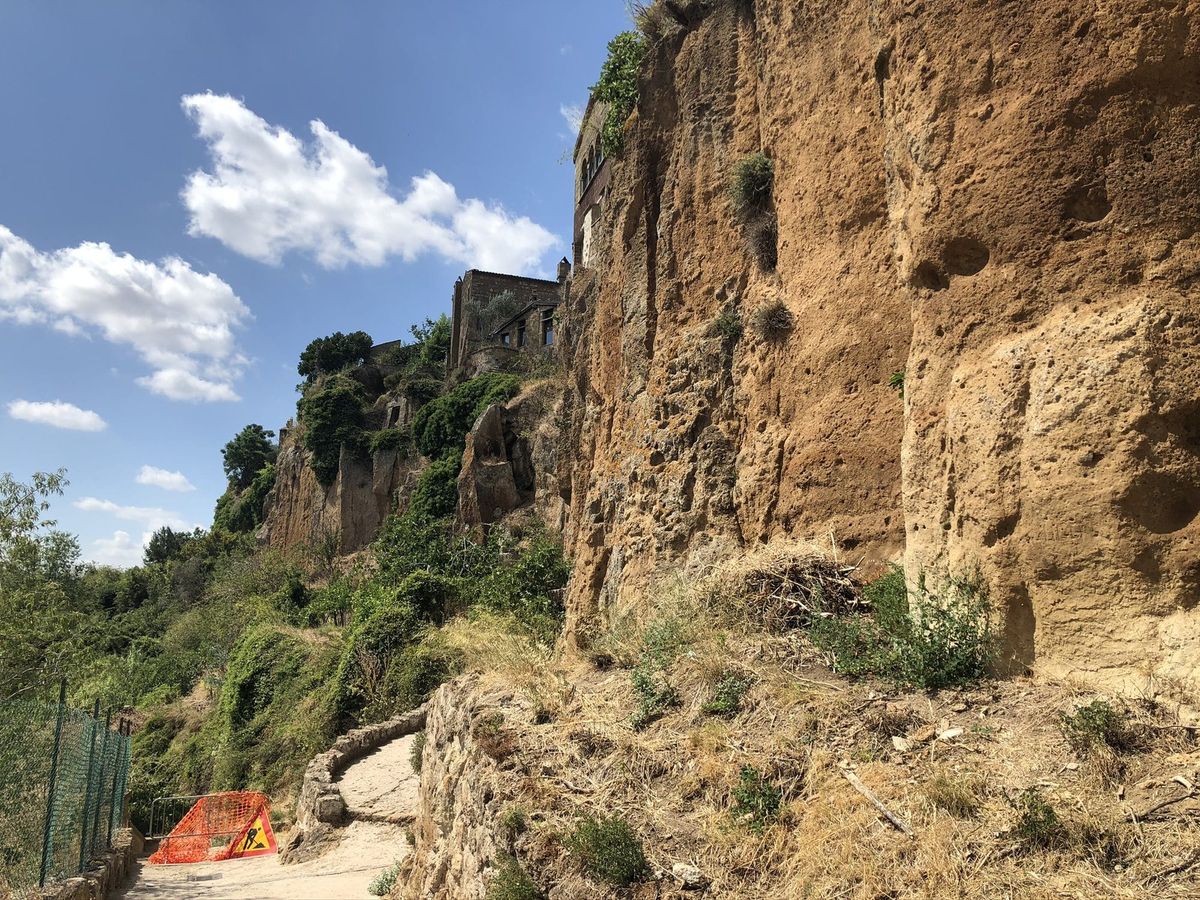
Two hours and more
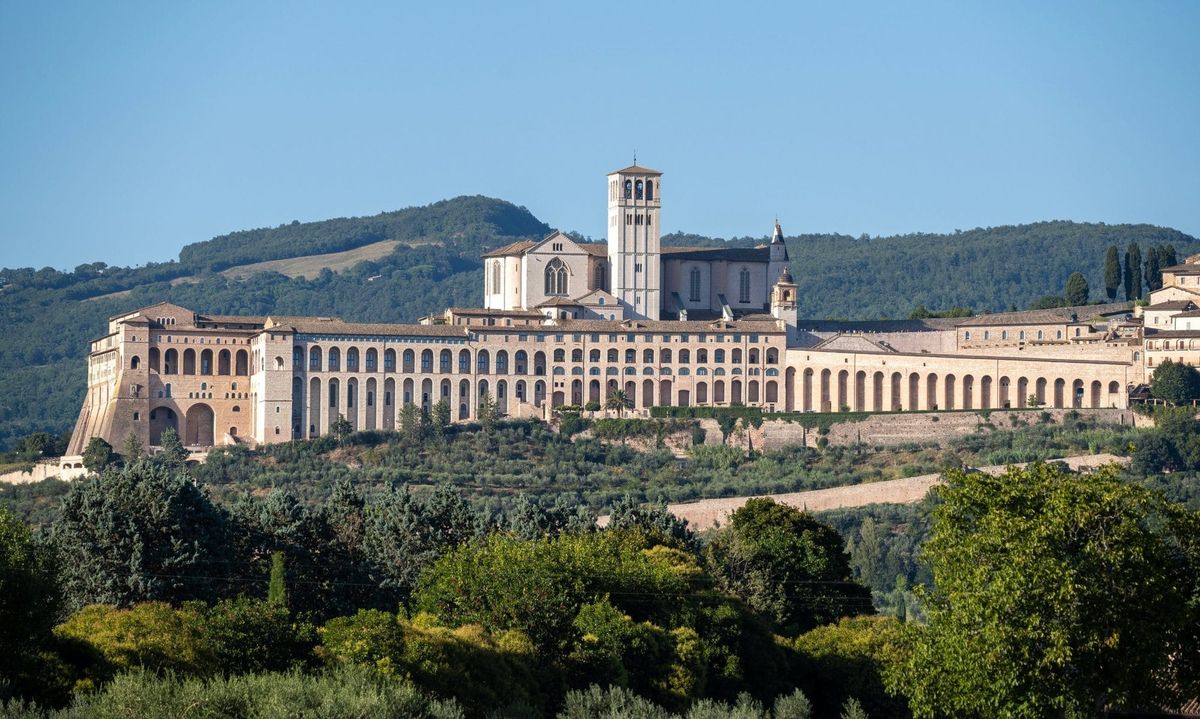
Assisi. About two hours by train or by car, and a little more from Florence: it sits halfway between the two. You can do it in a day, and if a day is all you have, that's fine; with a night, you can go up to the Eremo the next morning without rushing. The train leaves you down on the plain, at Santa Maria degli Angeli, and from there you go up by bus.
 Giulio Romano
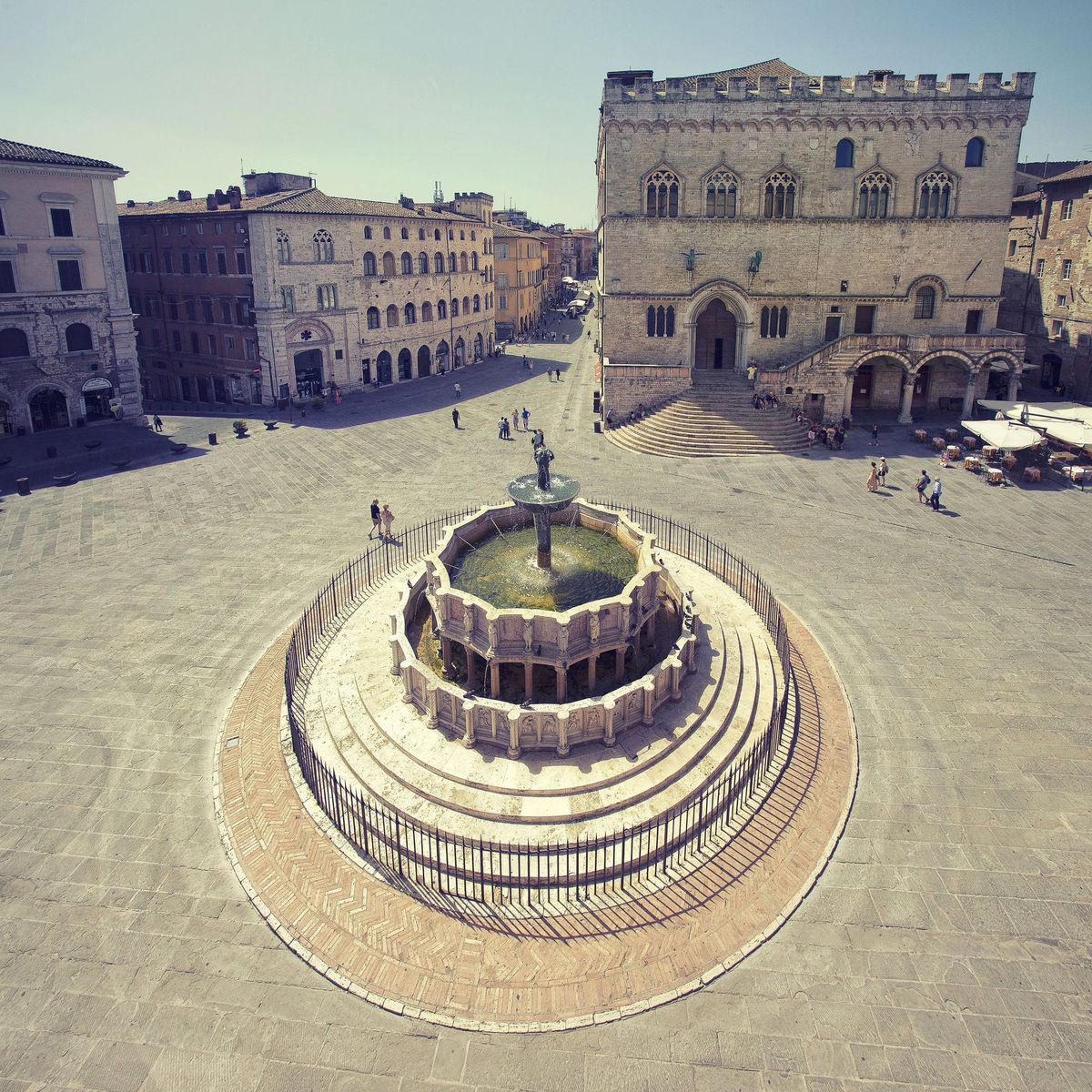
Perugia. Two hours by car, two and a half by train; from Assisi, half an hour by train. A day for the climb through the Rocca Paolina, the great square and the old town; half a day more for the chocolate, which is made outside the city.
 Giulio Romano
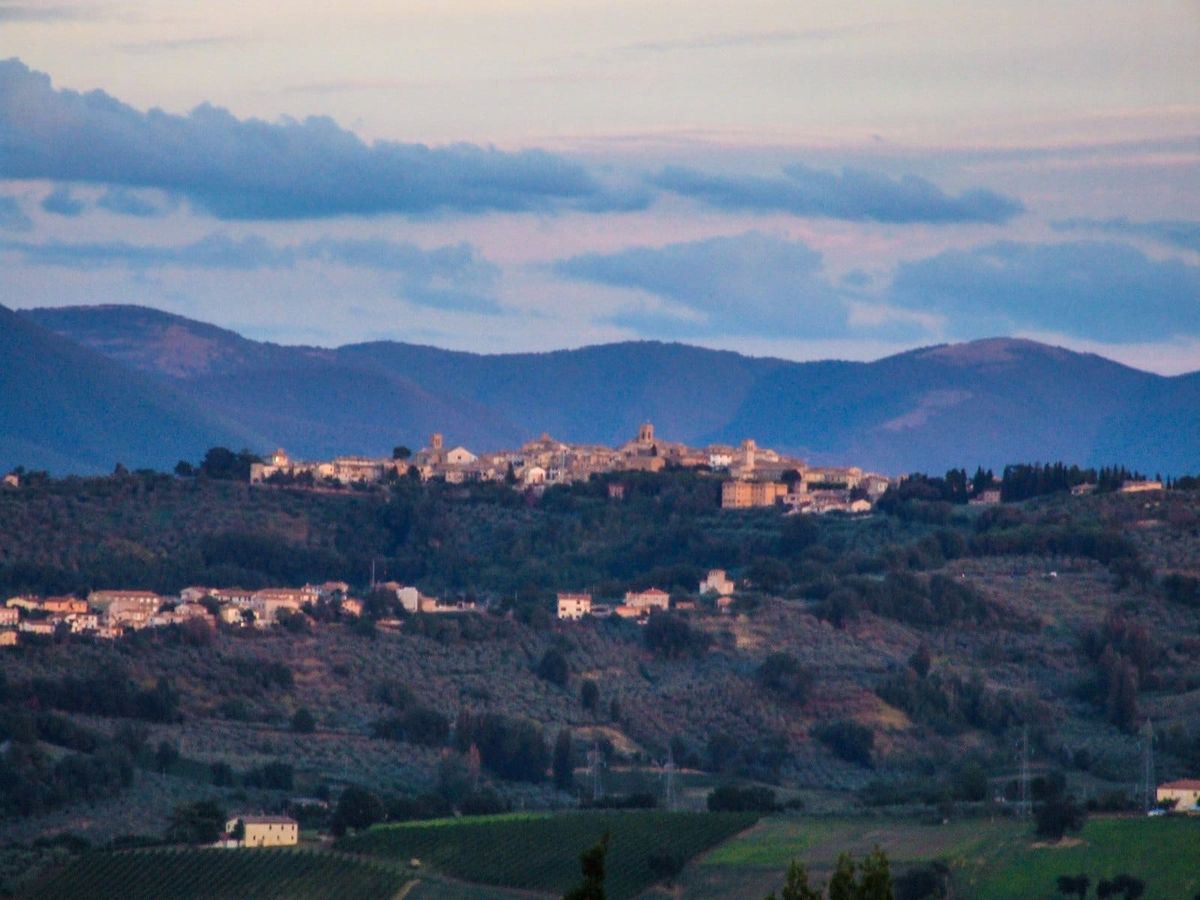
Montefalco and Bevagna. About 160 kilometres by car; by train you reach Foligno in two hours or two and a half, then the bus. It is for people who love red wine, and for anyone travelling between Rome and Florence who wants somewhere to stop: one night at least, better two, with Spello, the Clitunno and dinner in Spoleto. Whoever is driving doesn't drink.
 Giulio Romano
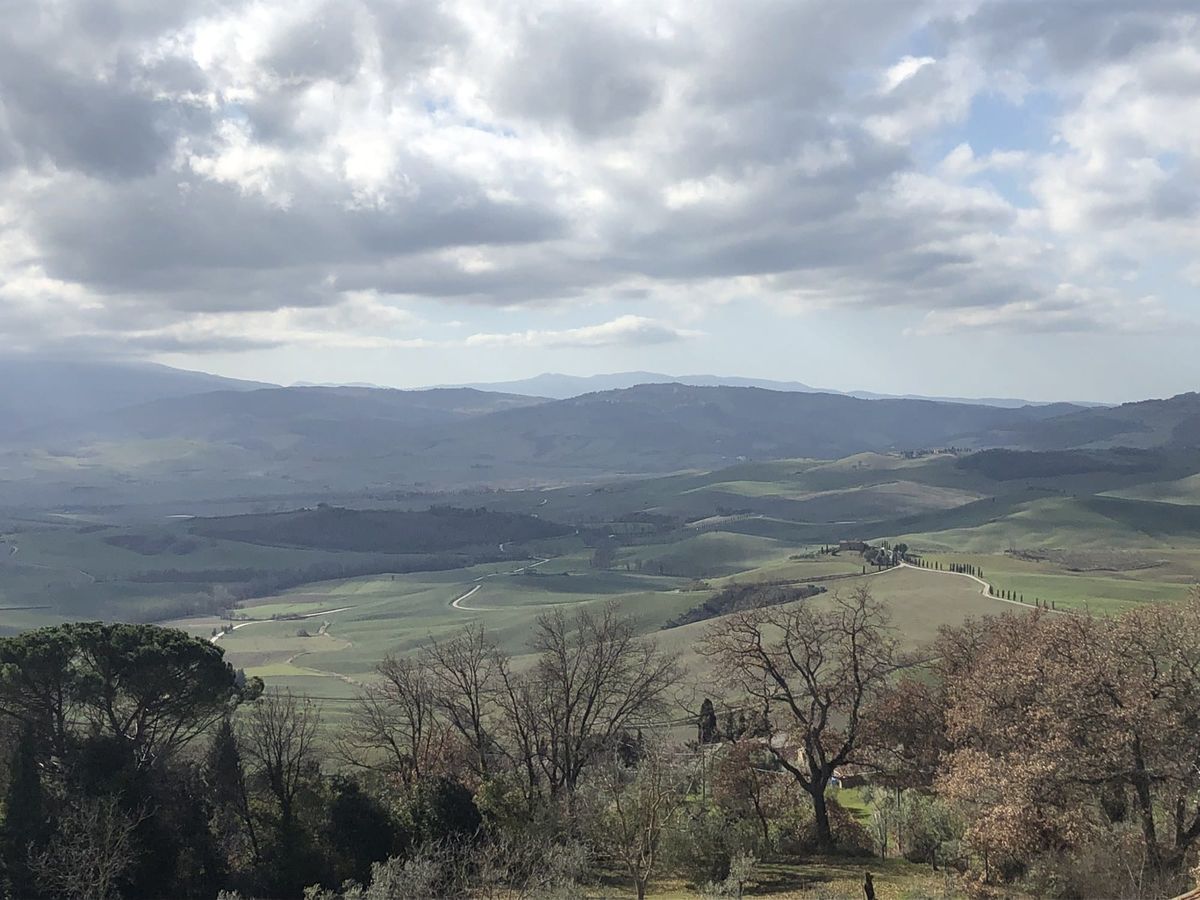
Tuscany from Rome: the Val d'Orcia. About two hours by car to Montepulciano. One road, Montepulciano, Pienza, San Quirico, Montalcino: a long day from Siena, two days from Rome, three with the hot springs. A car or a motorbike; there are buses, but they are not made for a day like this. The essay: Pienza, the pope who built a city to enjoy the view.
 Giulio Romano
Day trips from Rome by train
Orvieto is the simplest: an hour and a quarter from Termini, roughly one train an hour, and the town waiting on top of its cliff. Tivoli is an hour from Tiburtina, then a quarter of an hour uphill on foot to Villa d'Este. Assisi is about two hours from Termini, direct or changing at Foligno, and Perugia two and a half; between the two, half an hour by train. For Bomarzo the train runs to Attigliano-Bomarzo in an hour, but the park is five kilometres away: book a taxi ahead. For Montefalco and Bevagna you get off at Foligno and take the bus, which doesn't run often. For the Val d'Orcia the train stops at Chiusi–Chianciano Terme, and Montepulciano's station is about ten kilometres from the town: without a car you won't get round the valley. For the Etruscan necropolises, one a day, by train to Ladispoli-Cerveteri or to Tarquinia, then the bus. Civita is reached from Orvieto on the Cotral bus, which doesn't run on Sundays. The Appian Way needs no train at all: the 118 bus is enough. That leaves Caprarola, which only a bus from Saxa Rubra reaches, with few runs, and Todi, which has no train and where the bus stops in the valley: for those two, the car.
If you only have one day
By train, Orvieto or Tivoli. By car, two pairs the free guide has already planned: Civita first thing in the morning and Orvieto until sunset; Caprarola and Bomarzo, half an hour apart. With children, Bomarzo. Without a car and without hurry, the Appian Way, which doesn't even ask you to leave the city. Most of the rest is better with a night.
The famous ones that aren't here
Florence, Naples with Pompeii, the Amalfi Coast, Venice: these are the day trips from Rome that people search for most, and they are not on this page. They are worth it; they just aren't day trips. Florence is less than two hours away by Frecciarossa, but in a day you see the Duomo and little else, and it deserves at least a night. Naples is just over an hour away, and Pompeii is another 35 to 40 minutes on the Circumvesuviana, to the Pompei Scavi–Villa dei Misteri stop, opposite the entrance. It is the only one of the four that holds up as a day from Rome, if you leave early and settle for the excavations. The Amalfi Coast in a day is a day spent on trains, buses and ferries, and Venice is about four hours by train each way. For these, sleep there.
Rome to Florence, through Umbria
Four of these trips lie on the road between Rome and Florence, and their guides say so: Todi, Assisi, Perugia, and Montefalco with Bevagna. If you are driving that way, you can stop a night in one of them, or two nights in two, and reach Florence with Umbria still in your eyes. Orvieto is on that road too, by train and by car alike.
The train and car times come from the guides, checked against the official sites in the month each guide gives. They change: before you set off, look at the guide and at the official sites. This page is updated with the guides, every February.