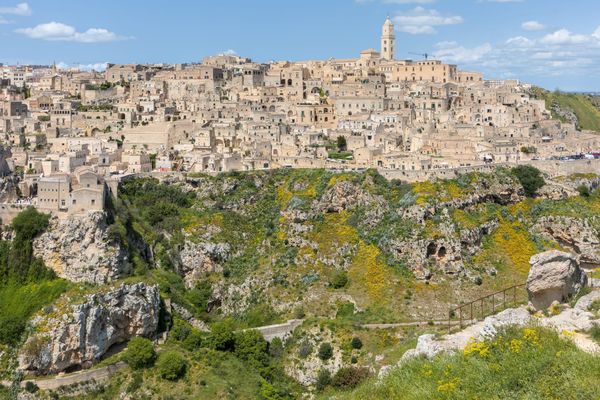
Essay
MATERA — THE CAVE CITY THAT WAS A DISGRACE, THEN A WONDER
In 1952 Italy emptied the caves of Matera as a national disgrace. Today they are hotels, film sets and a World Heritage Site. How the Sassi work, and who paid for the change.

Essays that read a place slowly: how it’s made, why it’s made that way, what it hides. Cathedrals, ideal cities, palaces and thresholds, mostly in Italy.

Essay
In 1952 Italy emptied the caves of Matera as a national disgrace. Today they are hotels, film sets and a World Heritage Site. How the Sassi work, and who paid for the change.
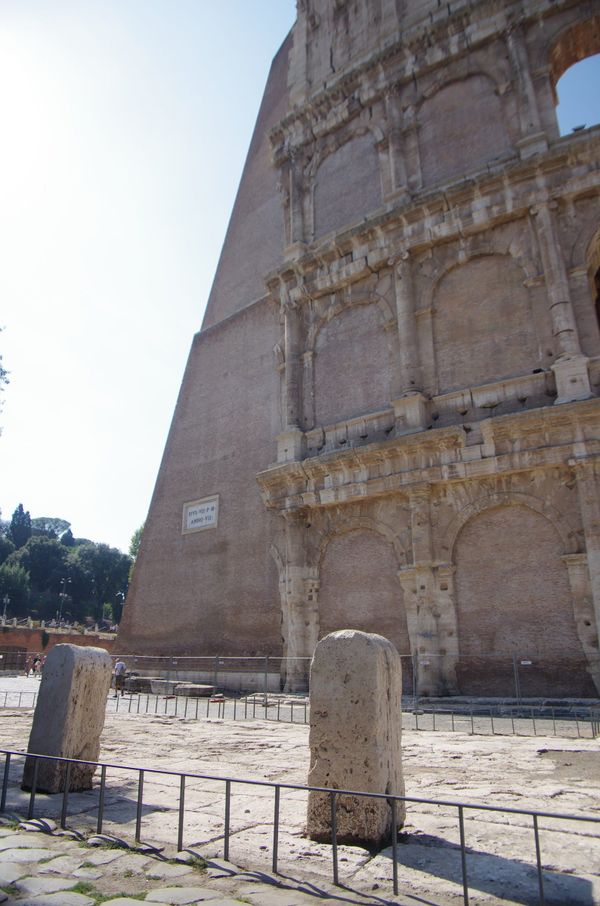
Exactly
Two brick buttresses with two opposite ideas of restoration, a shoe entrepreneur, and an arena floor that isn't there yet. Two centuries of Colosseum restoration, before and after.
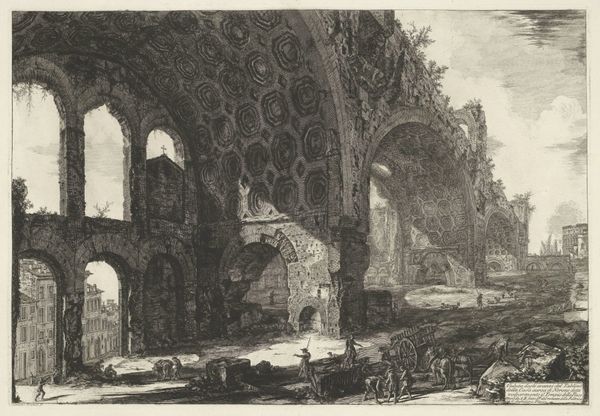
Exactly
It was not stronger than ours. It was made of volcanic ash, quicklime and patience, and there was no iron in it. Why Roman concrete is still standing.
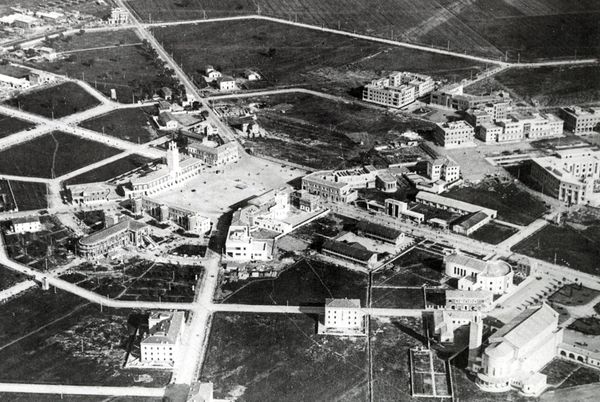
Architecture
Latina and Sabaudia, Brasília, Chandigarh: cities a state drew on a blank sheet of paper, and the real city that grew where the paper ended. Chapter IV of Utopian Cities, with a detour to Louis Kahn's parliament in Dhaka.
Exactly
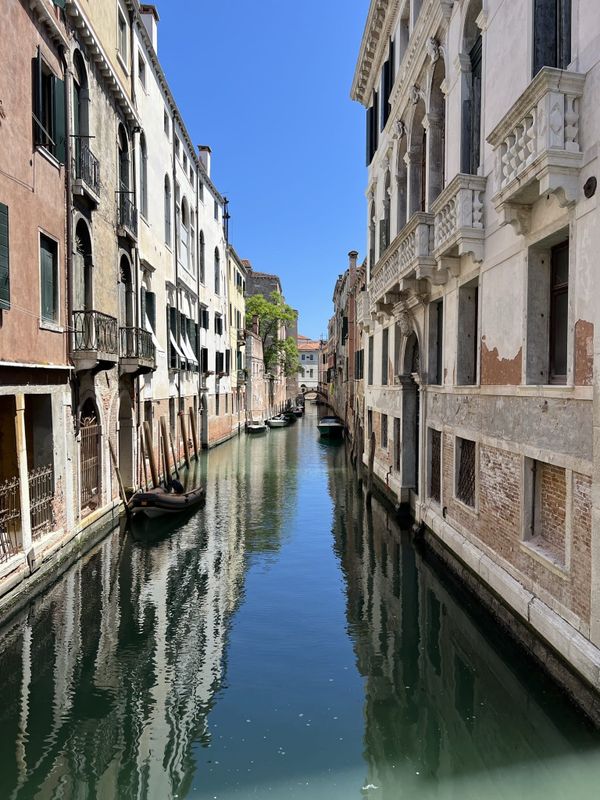
It does not float, it does not stand on long piles, and the wood has not turned to stone. What is really under a Venetian house, from the brick down to the caranto
Exactly
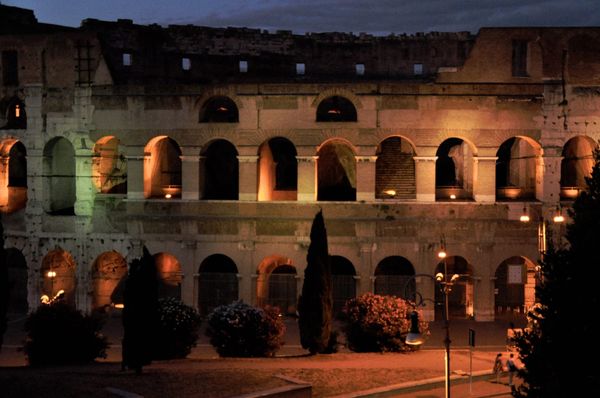
It isn't half missing, it wasn't one earthquake, and the popes came last. Soft ground under the south side, lime kilns, a licensed quarry, and the Colosseum that Gladiator built in Malta.
Architecture
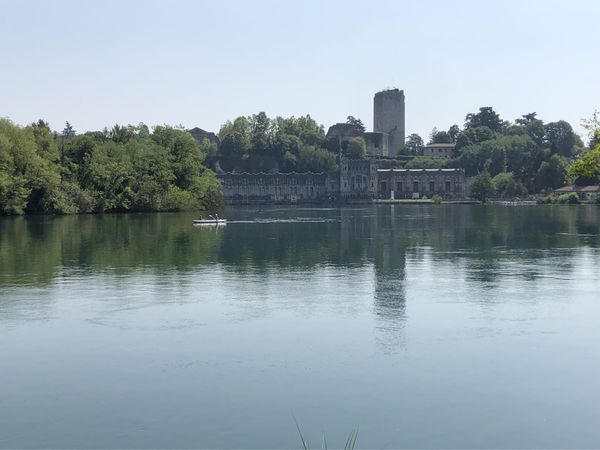
A sleeping-car maker builds a town south of Chicago, a cotton manufacturer a village on the Adda, Henry Ford a rubber town in the Amazon. Chapter III of Utopian Cities: the company town, and what is left of it once the company no longer needs it.
Exactly
Burn the limestone, slake it or don't, add volcanic ash and pack it in with rubble. How Roman concrete was made, from Vitruvius to the walls still standing.
Architecture
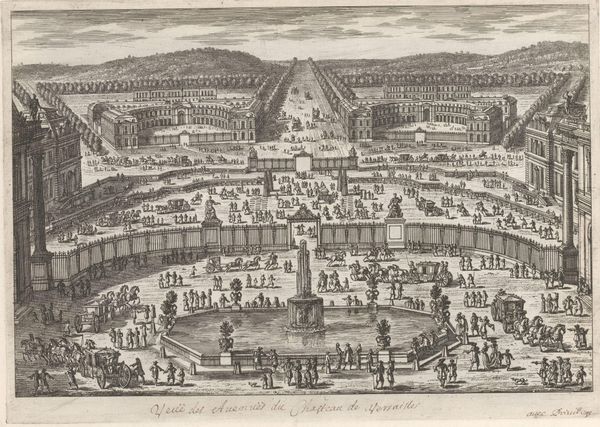
Three avenues converge on the palace at Versailles, some thirty streets fan out from a tower at Karlsruhe, and a prefect cuts boulevards through Paris. Cities laid out for power, who paid the bill, and why Paris is still one of the best cities to walk in.
Exactly
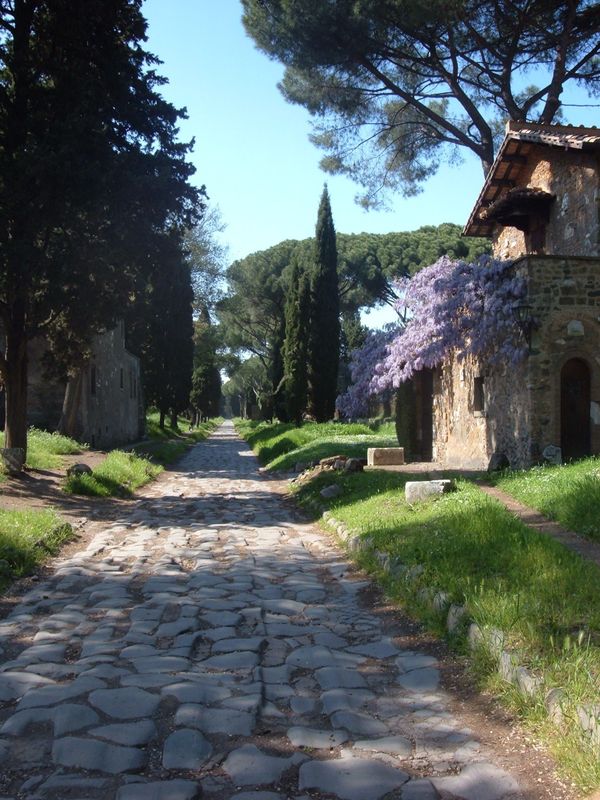
Every book answers with four layers and four Latin names. The names come from a recipe for floors. What the Romans actually did was simpler, and smarter.
Architecture
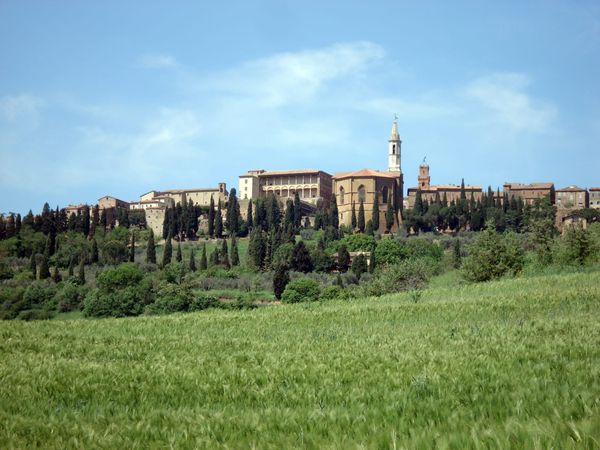
A pope goes back to the village where he was born and turns it into a city in three years: a trapezoid square, a street that hides its end, a church sliding towards the valley, and a palace built only for looking.
Architecture
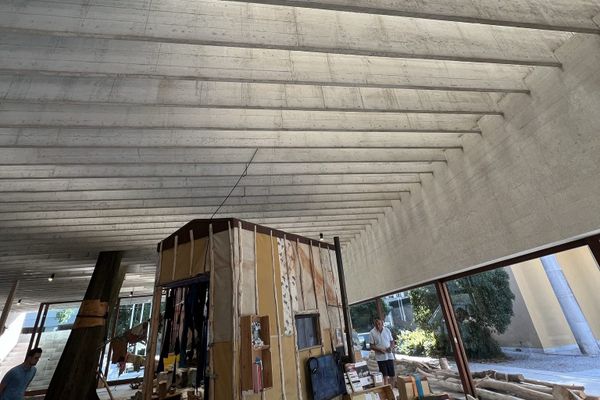
In 2004, off the night train, Venice filled our eyes so much that we asked ourselves whether we really wanted to go into the Biennale. Nineteen years later I have the answer: go in, for the pavilions, and come out slowly.