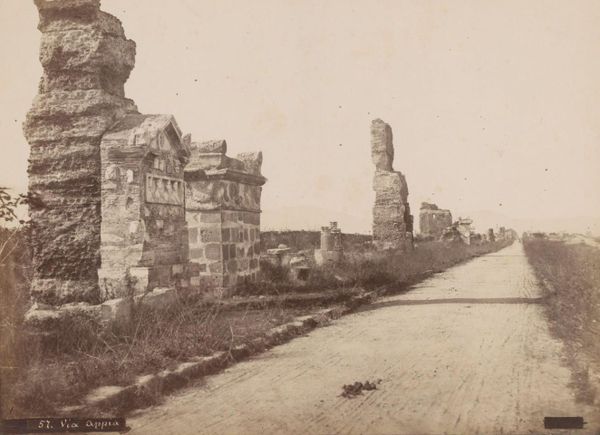
WHO MADE THE APPIAN WAY
Almost nothing of the Appian Way we carry in our heads is ancient. The fragments on the walls, the road dug out and given back, the enclosure, the pines: someone decided all of it, between 1808 and the twentieth century.

Almost nothing of the Appian Way we carry in our heads is ancient. The fragments on the walls, the road dug out and given back, the enclosure, the pines: someone decided all of it, between 1808 and the twentieth century.
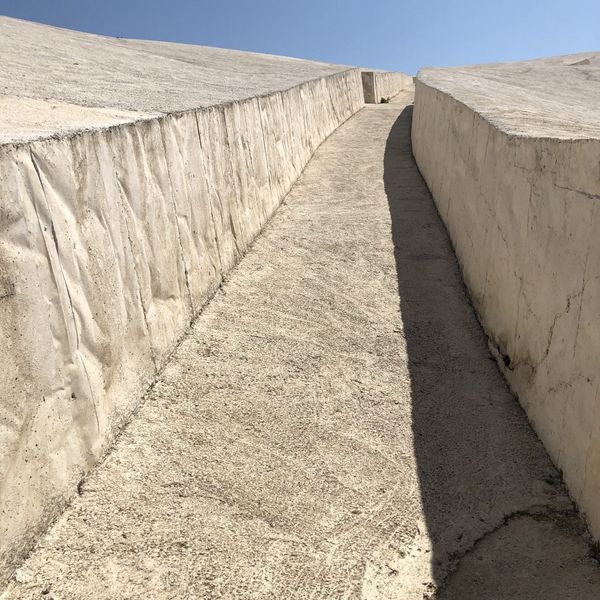
I got there by motorbike in June 2019, two months after the Notre-Dame fire, and didn't connect the two. It took me seven years.
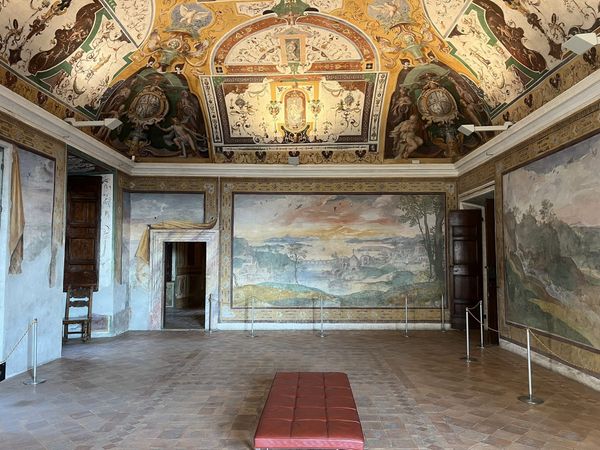
At the gate of Bomarzo a sphinx asks whether marvels are made by deception or by art. Take her to Villa d'Este: the palace is painted to lie, the fountains play music and birdsong, and the man who designed it all invented inscriptions. Room by room, the other side of the garden.
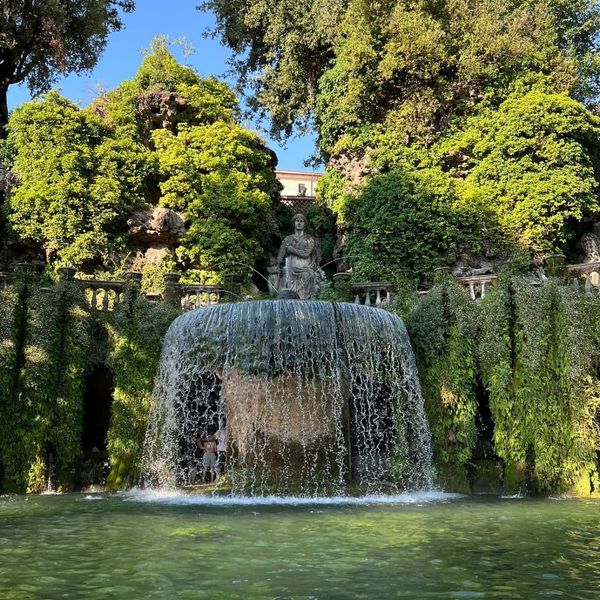
Villa d'Este is not a garden with fountains. It is a hydraulic machine, and a map you can walk, built between six lost conclaves by a man who never got to Rome, and who brought Rome home instead.
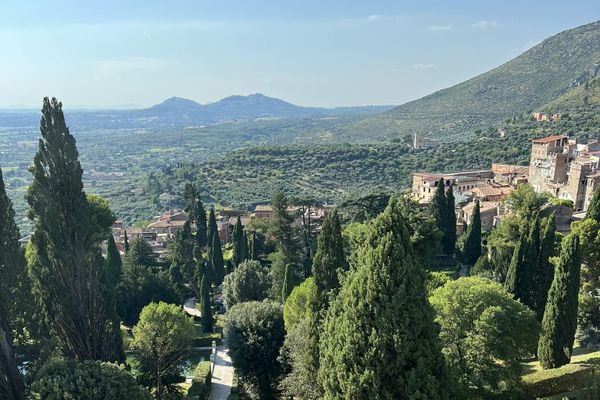
Two villas three kilometres apart, an emperor and a cardinal, water and ruins. Which one to choose if you have to, the order to do both in, tickets and hours, and the waterfall if you still have an hour.
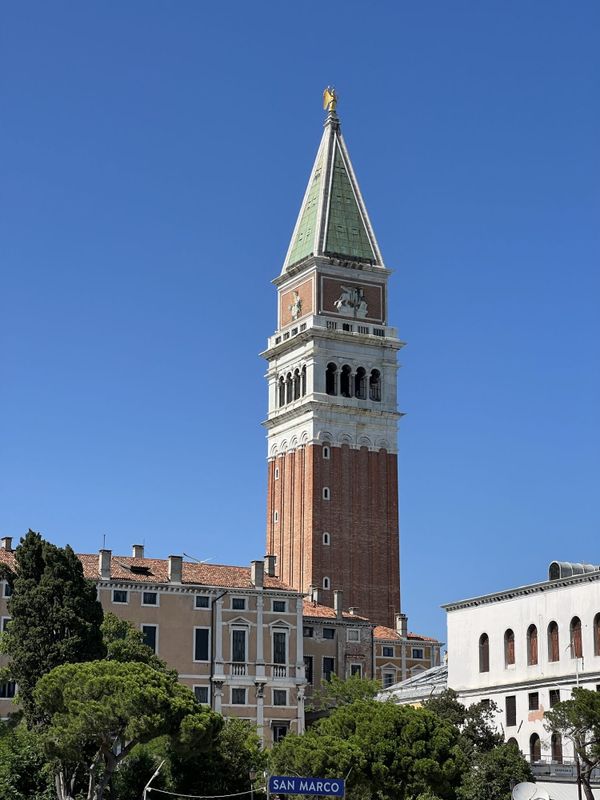
I was sitting under St Mark's Campanile and I knew it dates from 1912. It was no use to me, until Notre-Dame put the right question in front of me.
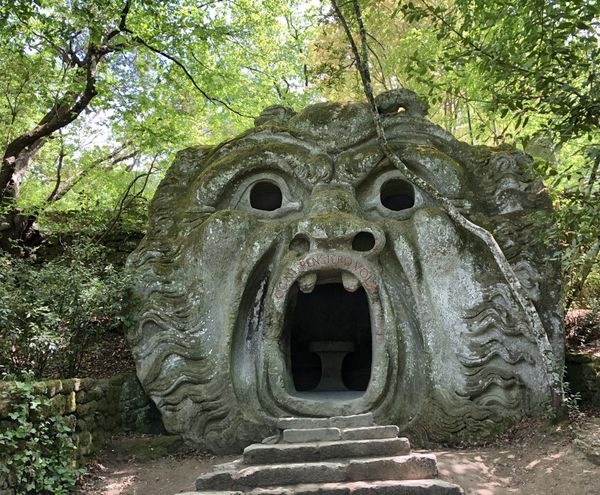
A wood full of stone giants, a crooked house you walk into, an hour and a half with no route to follow. Tickets, the family timetable, the pushchair question, and Viterbo in the afternoon.
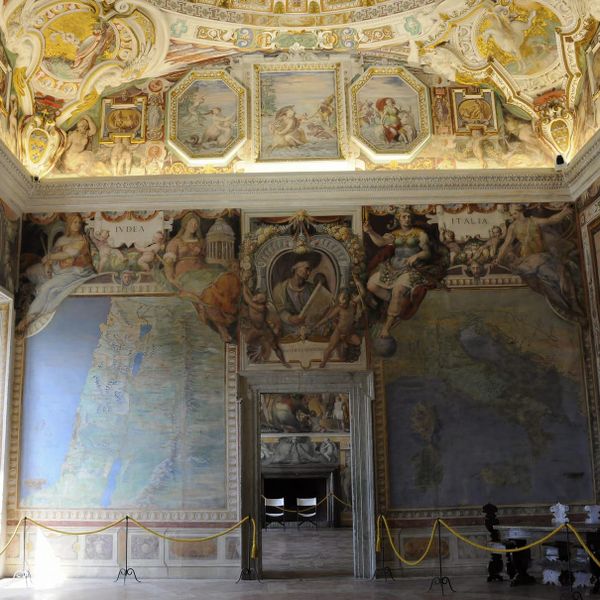
Read in order, the rooms of Caprarola stop being decoration and become an argument: from the Farnese lands to the map of the world, from the cardinal's family history to a room where a whisper crosses the corners.
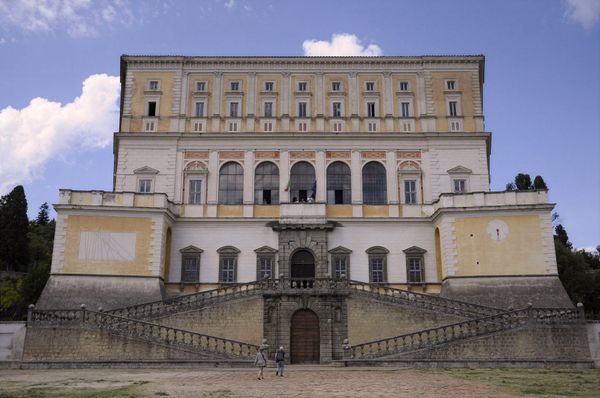
A five-sided palace at the top of a straight street, built so that you would arrive on foot. Where to park, what the ticket covers, the gardens' hours, and what to add in the afternoon.
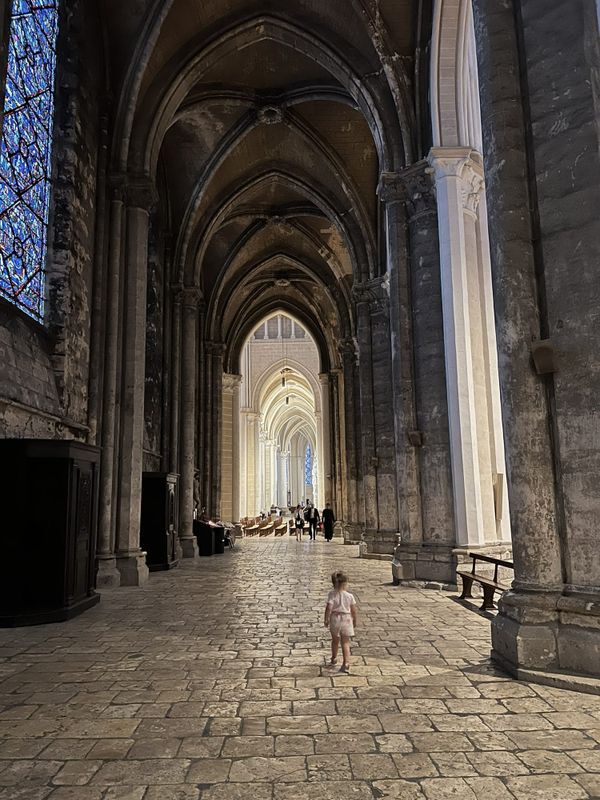
I walked into Notre-Dame and found it flat. Then I discovered that the man who designed its light calls himself a sculptor of shadows.
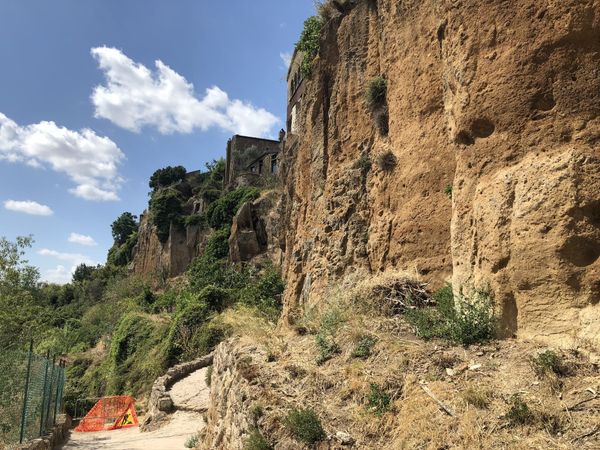
A village on a crumbling cliff, a bridge to reach it, a valley of clay all around. Winter or summer, how long to stay, and the walk almost nobody takes.
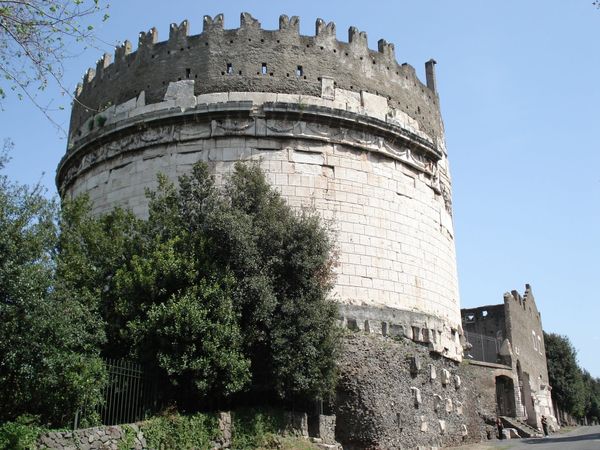
On the Appian Way you ride higher than the fields. It isn't an impression: you are on the back of a lava flow that stopped exactly where the tomb of Caecilia Metella stands.
Day Trip From Rome
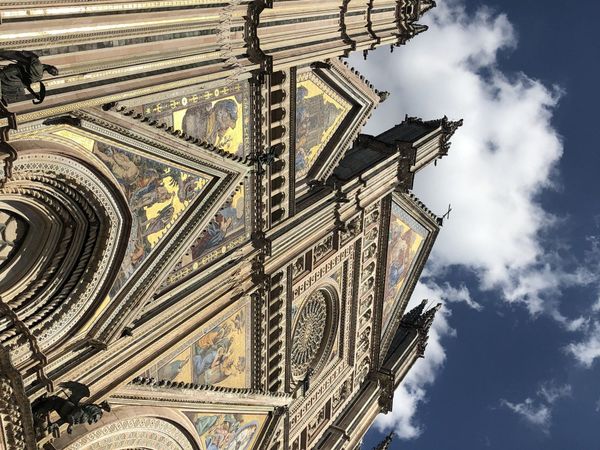
An hour and a quarter by train, a cliff of tufa, a façade built to be seen from twenty kilometres away. What's worth the trip, what to skip, and where to stand.
Architecture
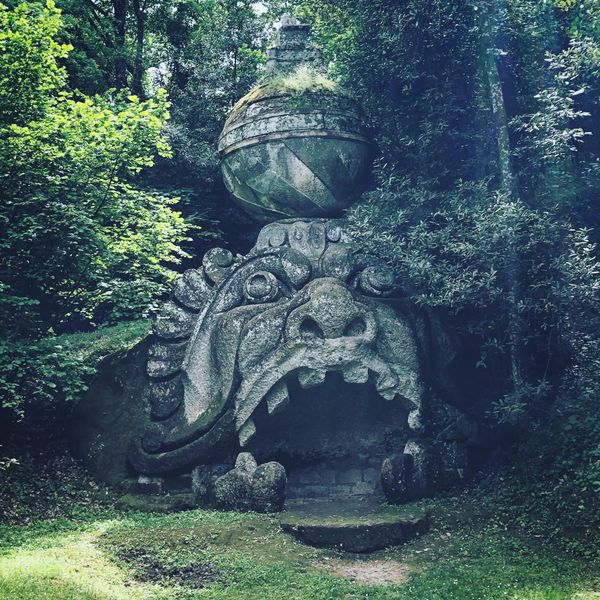
Every great sixteenth-century garden answers your questions before you ask them. Bomarzo doesn't. On the wood without an axis, and the grief that built it.
Italy
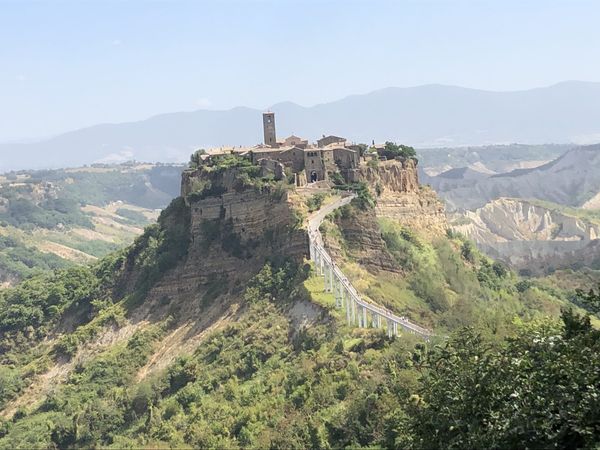
There is a map of Civita no guidebook shows: everything that fell into the valley. A Latvian-American architect, a Sienese theorist and the engineers in the rock kept the rest standing, without pretending it was whole.
Architecture
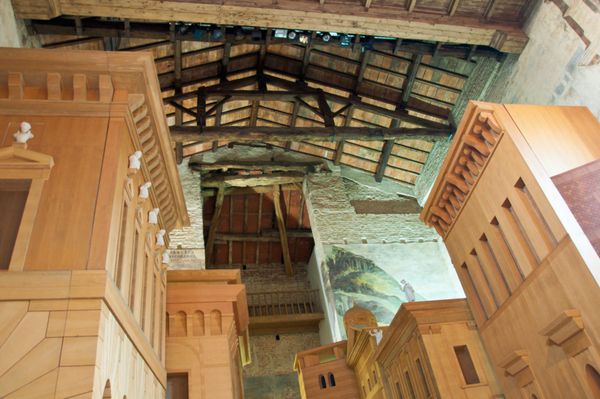
The most perfect city I have ever seen, and I would never live there. Sabbioneta, the Ideal City of Urbino, Brasília and Gibellina: why cities live for the where, not the how.
The Slow Letter
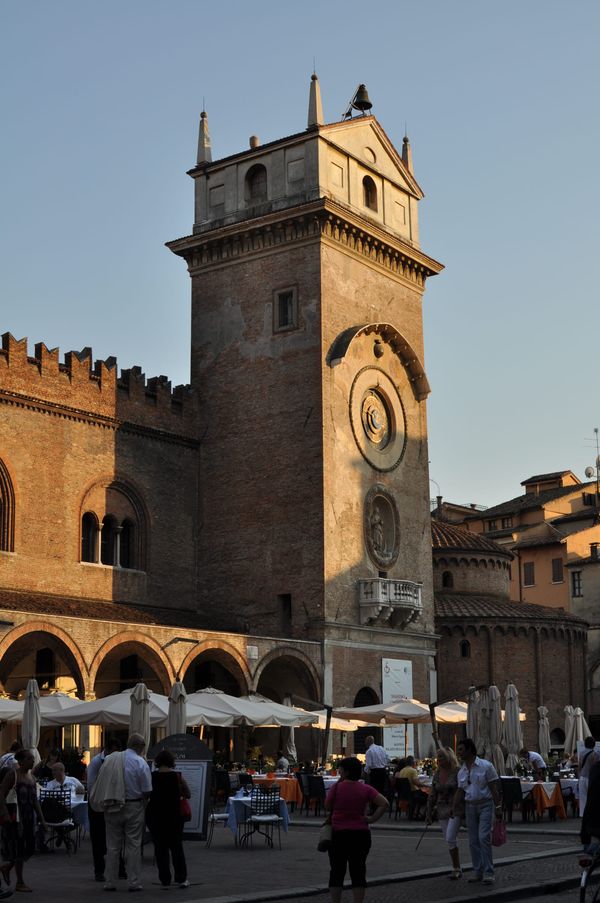
I always thought signing this blog "Giulio Romano" was a small imposture — and that sooner or later I'd have to go to Palazzo Te and settle up with the rightful owner of the name. Then I found out there wasn't one.
Italy
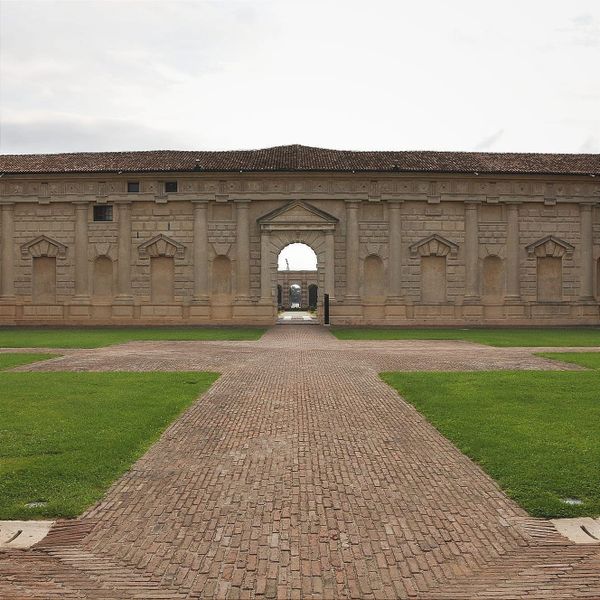
Mantua, empty in mid-August. The facade of Palazzo Te is brick and plaster pretending to be stone, and in the courtyard the triglyphs are slipping out of the frieze. Giulio Romano spent ten years building an order that fails on cue — and had to leave Rome to be allowed to do it.
The Slow Letter
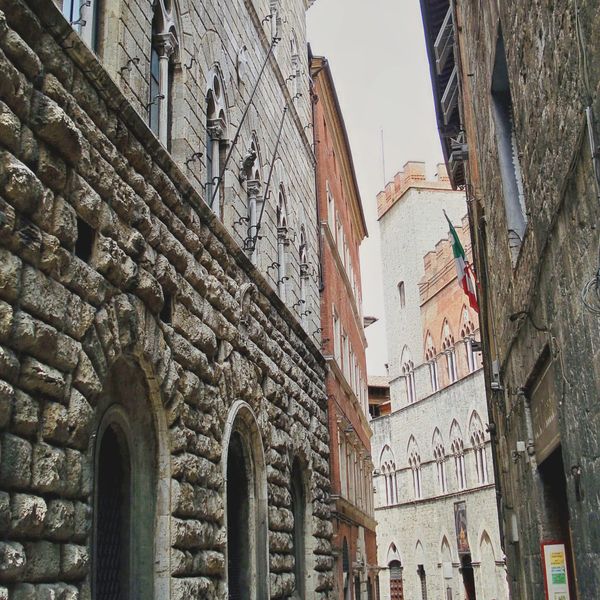
I went to Siena to verify a book, and spent the day proving it right. What I actually remember is the heat, the wine, a steak I can't place — and the girl walking patiently behind me.
Italy
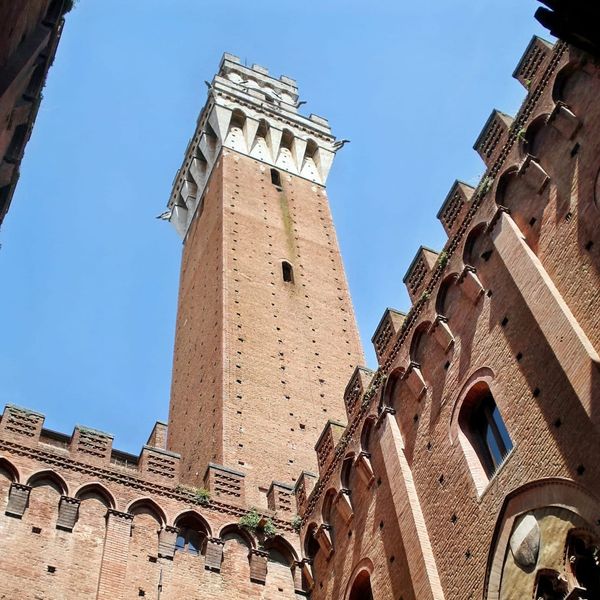
Tuscany's second city, they say — as if that were a ranking that mattered. Siena lost the wars, kept the shape, and built an invisible river to stay alive. Walk it and it doesn't feel like a place that lost anything.
The Slow Letter
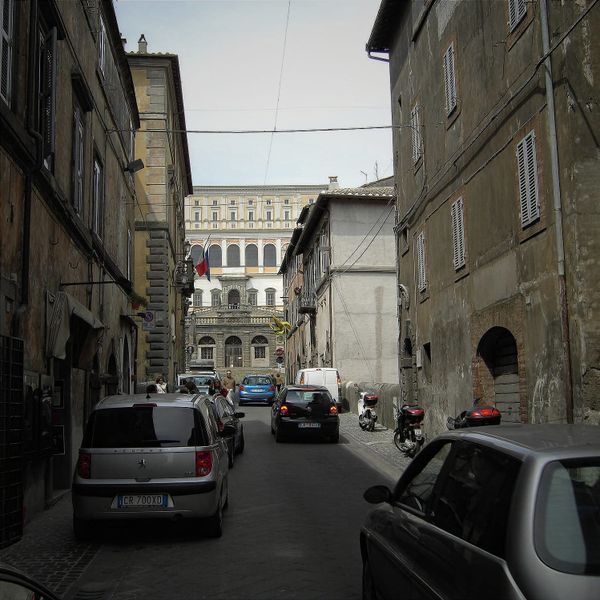
Vignola built a road to make the climb compulsory. Four centuries later, two helmets and a lazy Sunday defeated it. On knowing the right way — and taking the easy door anyway.
The Slow Library
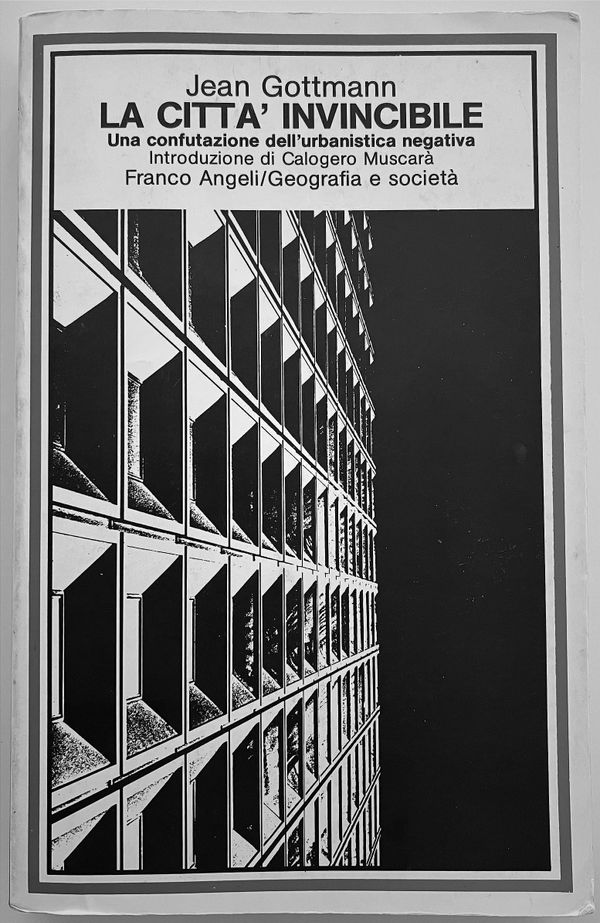
I got a 24 on the exam and understood nothing. Years later I reopened Gottmann and found a question that reads like today: if work is made of pure information, why don’t we scatter it? His answer, from around 1970, reads like a forecast of the return to the office.
Italy
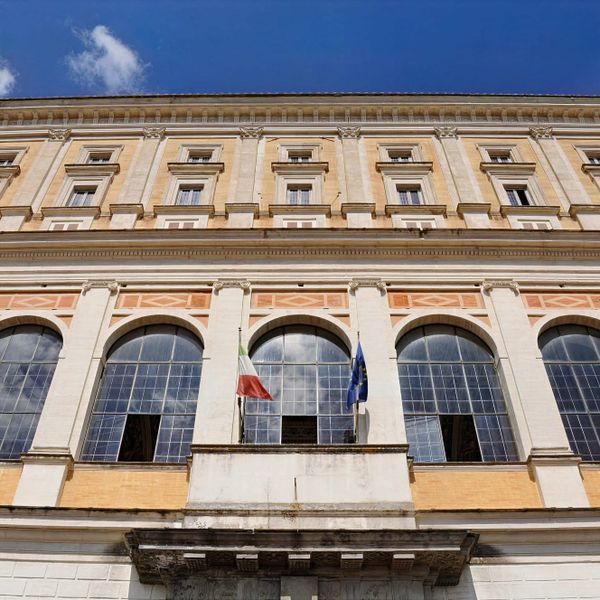
Some places you visit and forget. Others follow you home. The Palazzo Farnese at Caprarola is the second kind — a fortress turned into a palace, and a whole town rebuilt to serve it.
The Slow Letter
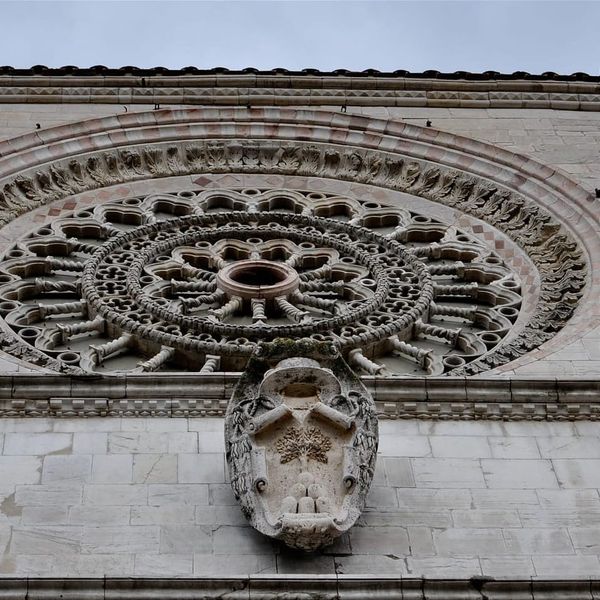
An improvised trip, a suite too big, and a night spent locking every door — after writing a piece about thresholds as invitations. On doors that open and doors that defend.