THE PLAN
Latina and Sabaudia, Brasília, Chandigarh: cities a state drew on a blank sheet of paper, and the real city that grew where the paper ended. Chapter IV of Utopian Cities, with a detour to Louis Kahn's parliament in Dhaka.
Utopian Cities, IV · Latina and Sabaudia, Brasília, Chandigarh: when the city is drawn by the state, on a blank sheet of paper. And the real city, the one that grows where the paper ends.
In the chapter on the kings, Haussmann reworked a city that was already there. In the twentieth century someone proposed doing without the existing city altogether. Le Corbusier, James C. Scott observes in Seeing Like a State, would have liked to flatten its centre and rebuild it from scratch, his mind on control and hierarchy.
Le Corbusier never flattened Paris. But other people built his ideas, in other places, and in one case he built them himself. This chapter is the story of three cities that began on a blank sheet of paper.
Latina and Sabaudia
The example I know best is the one I have never photographed.
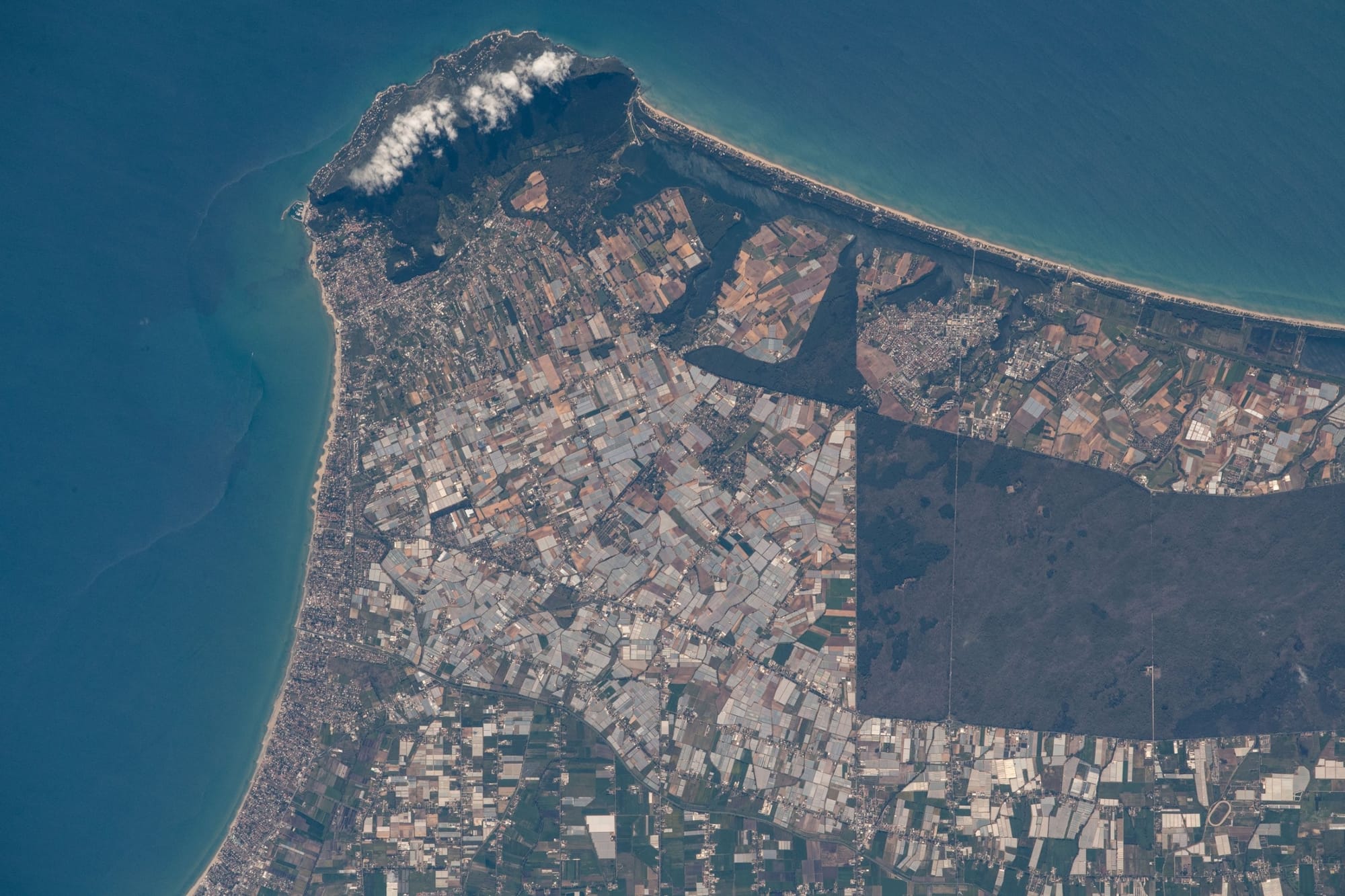
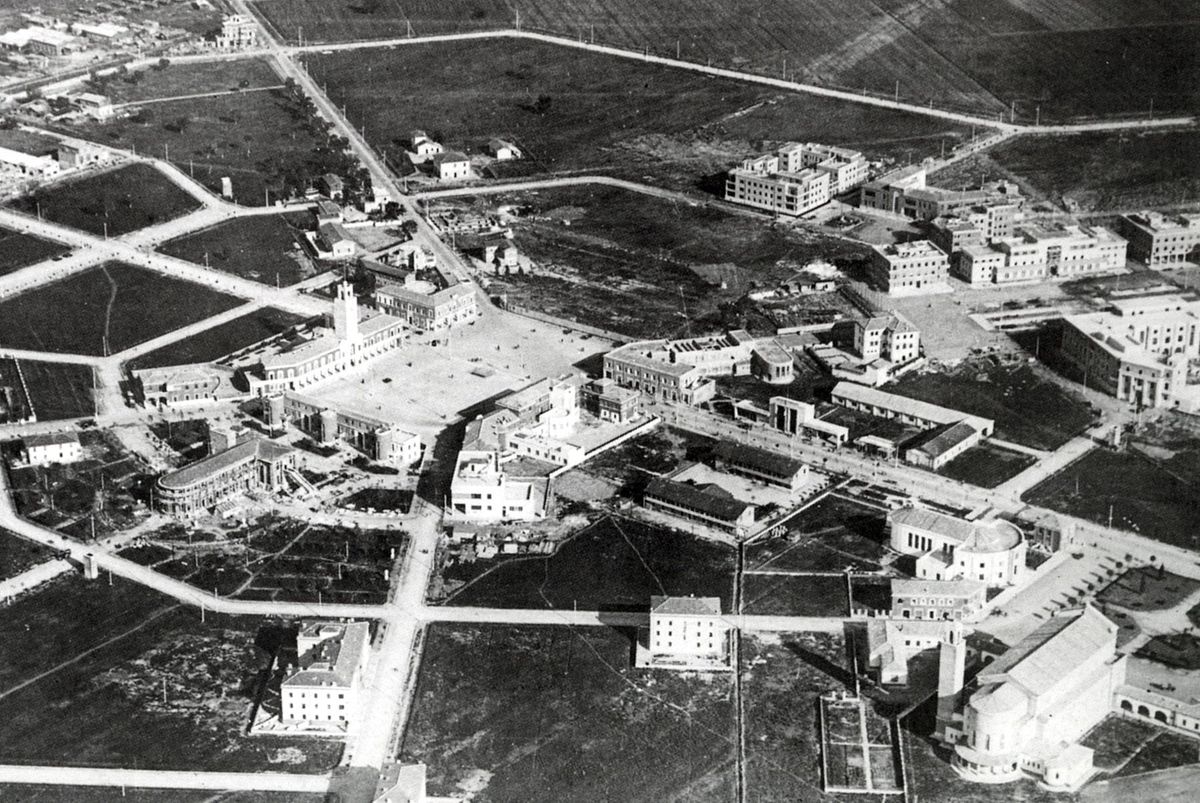
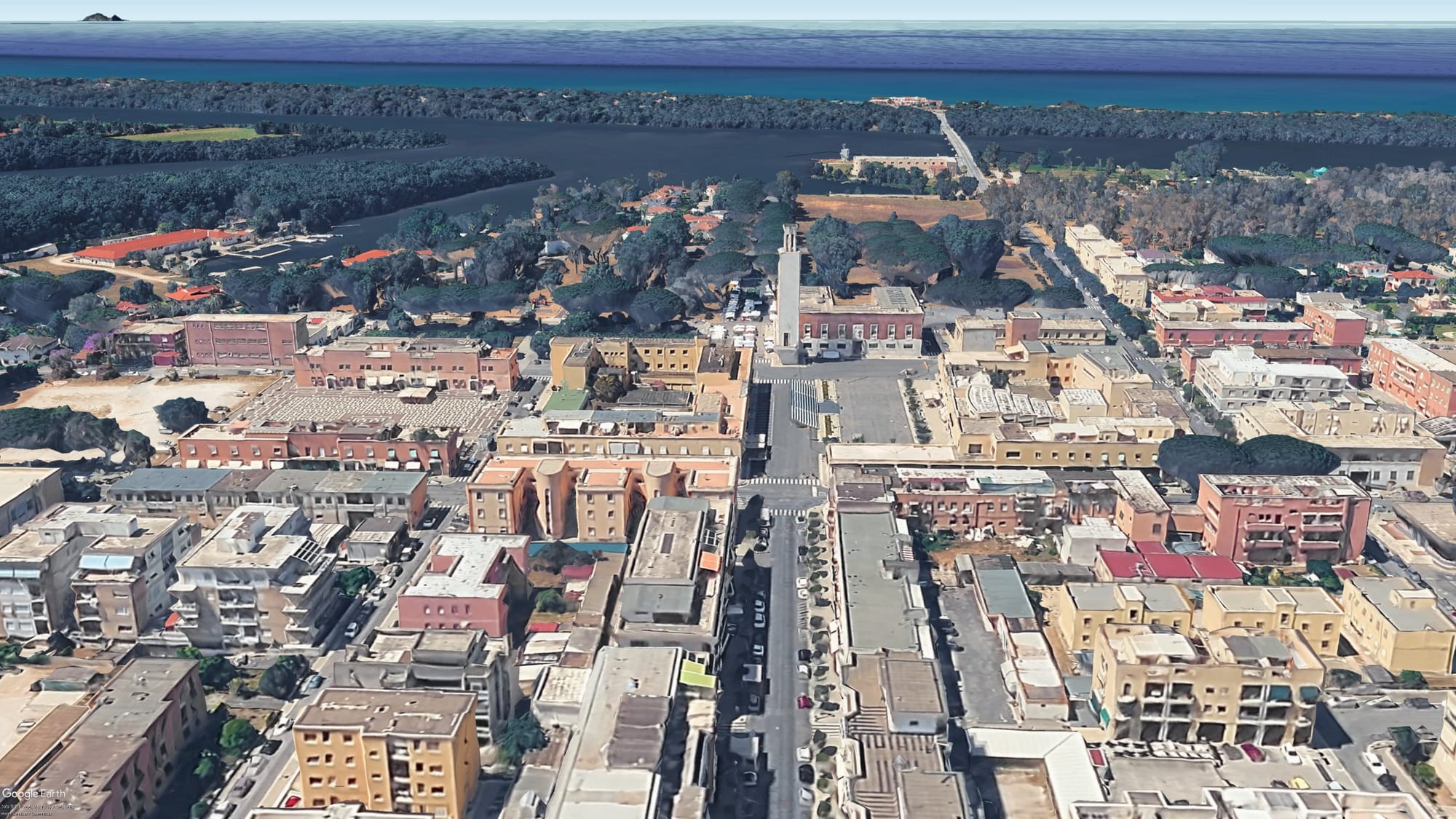
In the 1930s the Fascist regime drained the Pontine Marshes and founded new towns there. The first was Littoria, designed by Oriolo Frezzotti: the foundation stone was laid on 30 June 1932, and on 18 December Mussolini inaugurated it. After the war it was renamed Latina; today it has almost 130,000 inhabitants. Sabaudia came straight after, from a competition won by four young architects, Gino Cancellotti, Eugenio Montuori, Luigi Piccinato and Alfredo Scalpelli. By the regime's own count it was built in 253 days, and it was still unfinished when it was inaugurated, in April 1934.

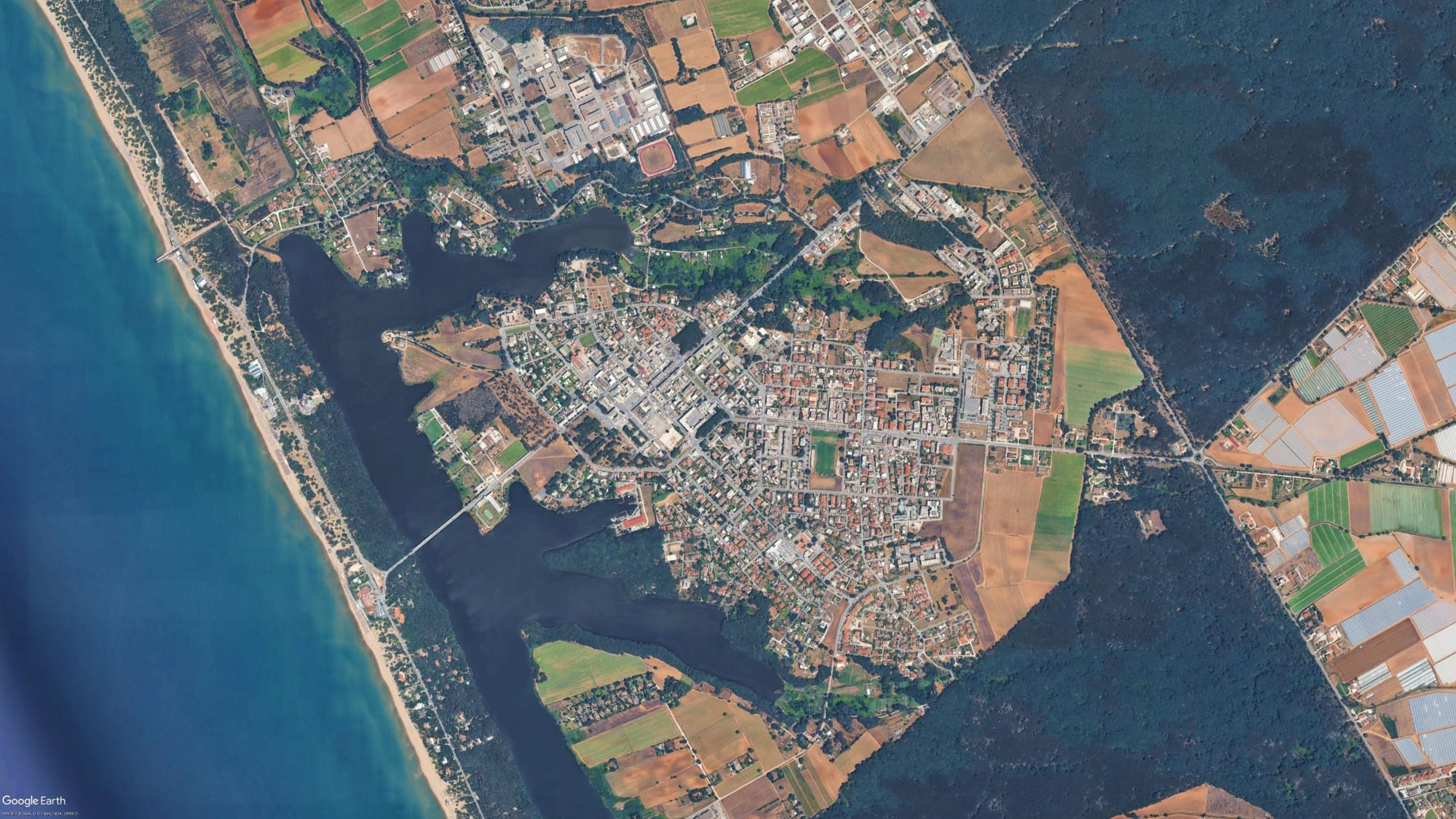
I have been to both, and never photographed either. Not because I didn't look at them: because they never struck me as fascinating enough to be worth a photo, because they have been altered over the years, and because they are the manifesto of a politics that Italy has turned its back on. Thankfully, though not everyone has.
And yet architects have always looked at them with embarrassment and admiration at once. Le Corbusier, who visited Sabaudia in 1934, found it a sweet poem, if a slightly sentimental one, and full of good taste. And in 1974, in a documentary for Italian state television filmed partly in Sabaudia, Pier Paolo Pasolini said something that still takes you aback: how much he and his fellow intellectuals had laughed at the regime's architecture, at towns like Sabaudia, and yet now, looking at it, he found a town with nothing unreal or ridiculous about it. Fascism, he said, had not managed so much as to scratch Italy; consumer society was succeeding where it had failed.
That is the uncomfortable point in this chapter. A town can be born of a dictatorship and still be good architecture. Sabaudia is still there, white, with its tower and its square, and anyone who looks at it has to hold both things together, without absolving anyone.
Brasília: the city without the street
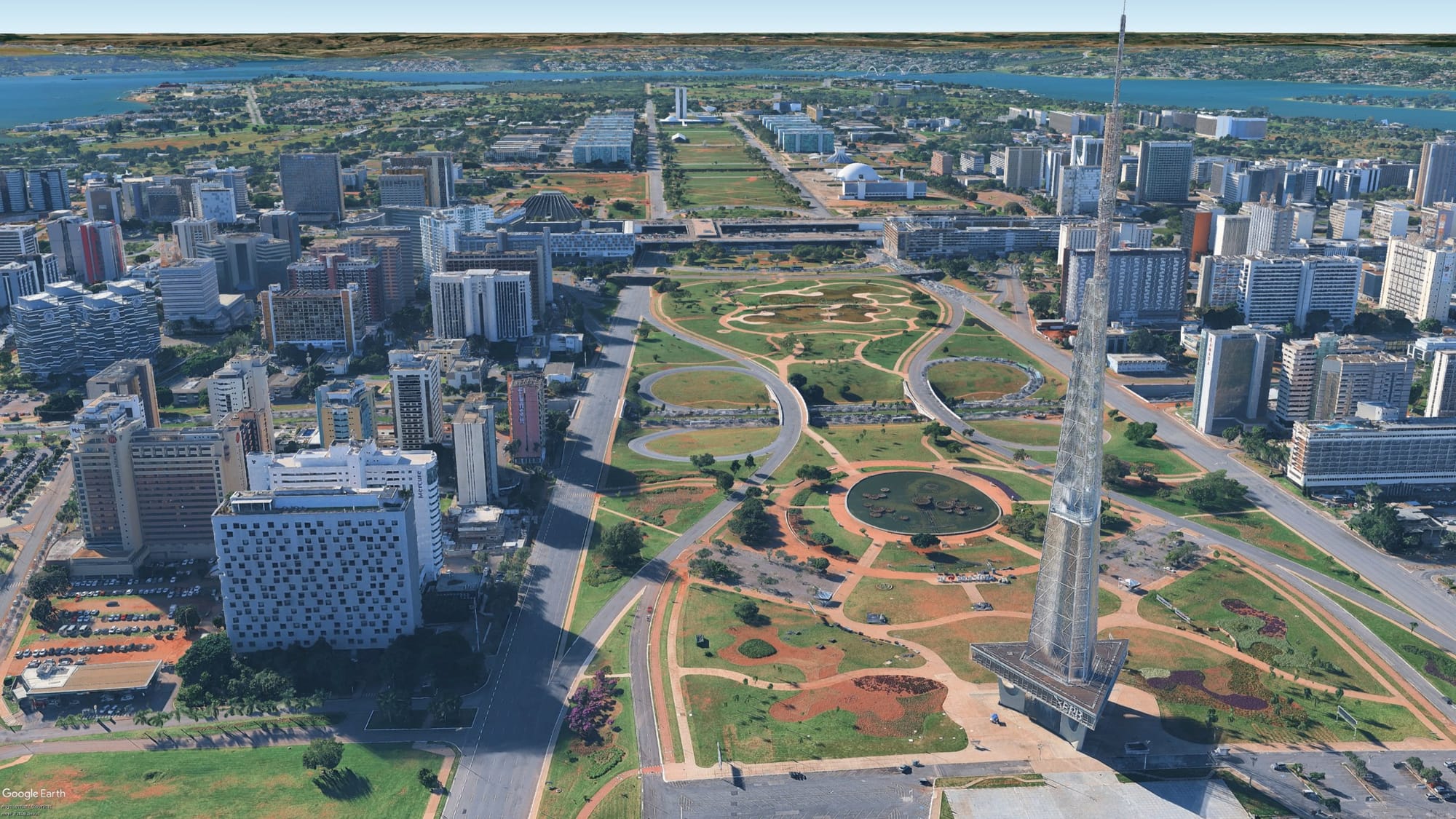
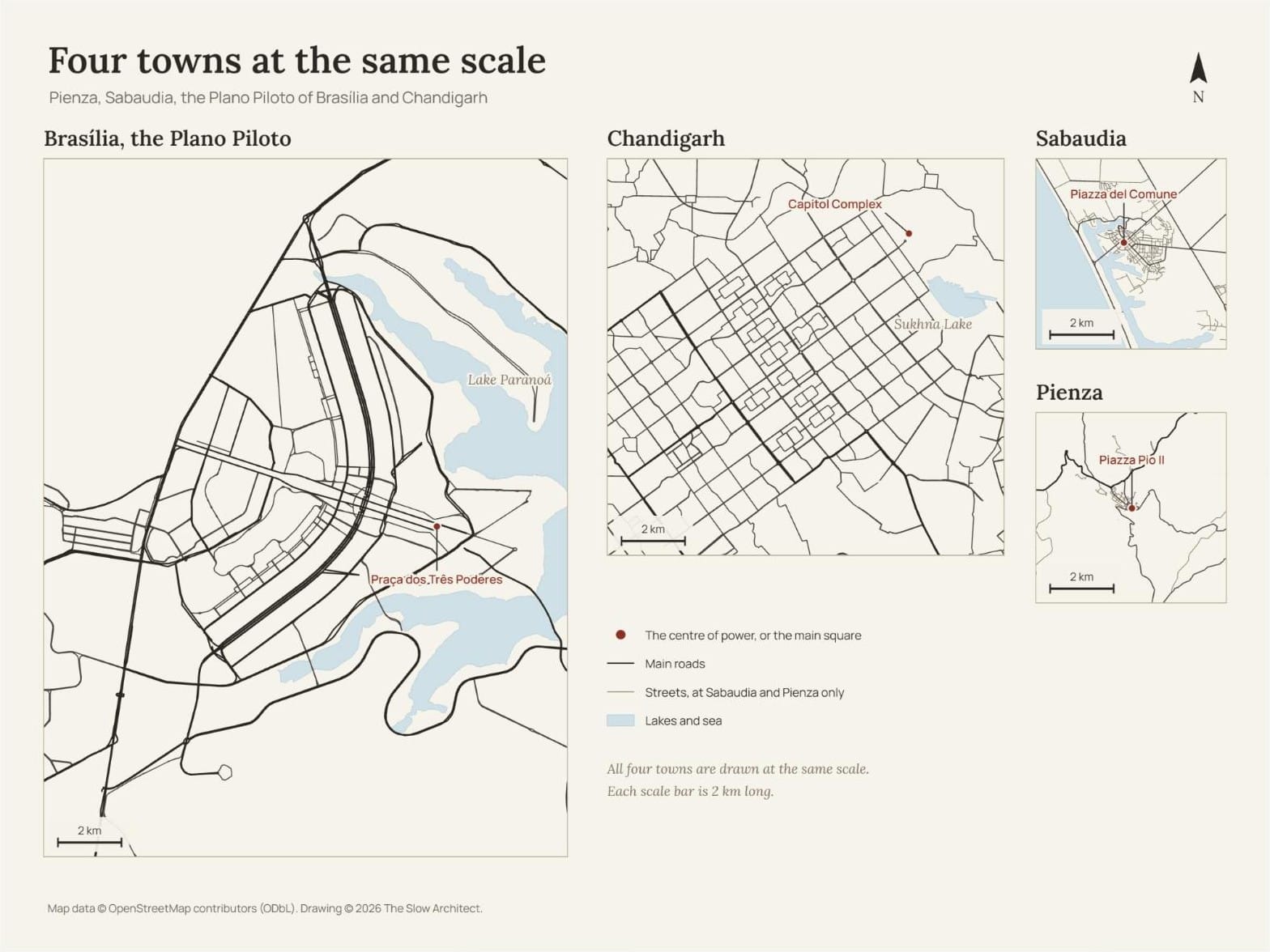
After the war the gesture became an act of state, and of a democratic state. Juscelino Kubitschek, president of Brazil from 1956 to 1961, had promised fifty years of progress in five, and a new capital in the middle of the country. In 1957 the competition for the plan was won by Lúcio Costa, Scott writes, on the strength of some very rough sketches. Costa's idea came down to two lines crossing: a straight monumental axis, and an arc. The buildings were designed by Oscar Niemeyer. Brasília was inaugurated on 21 April 1960, and has been a World Heritage Site since 1987.
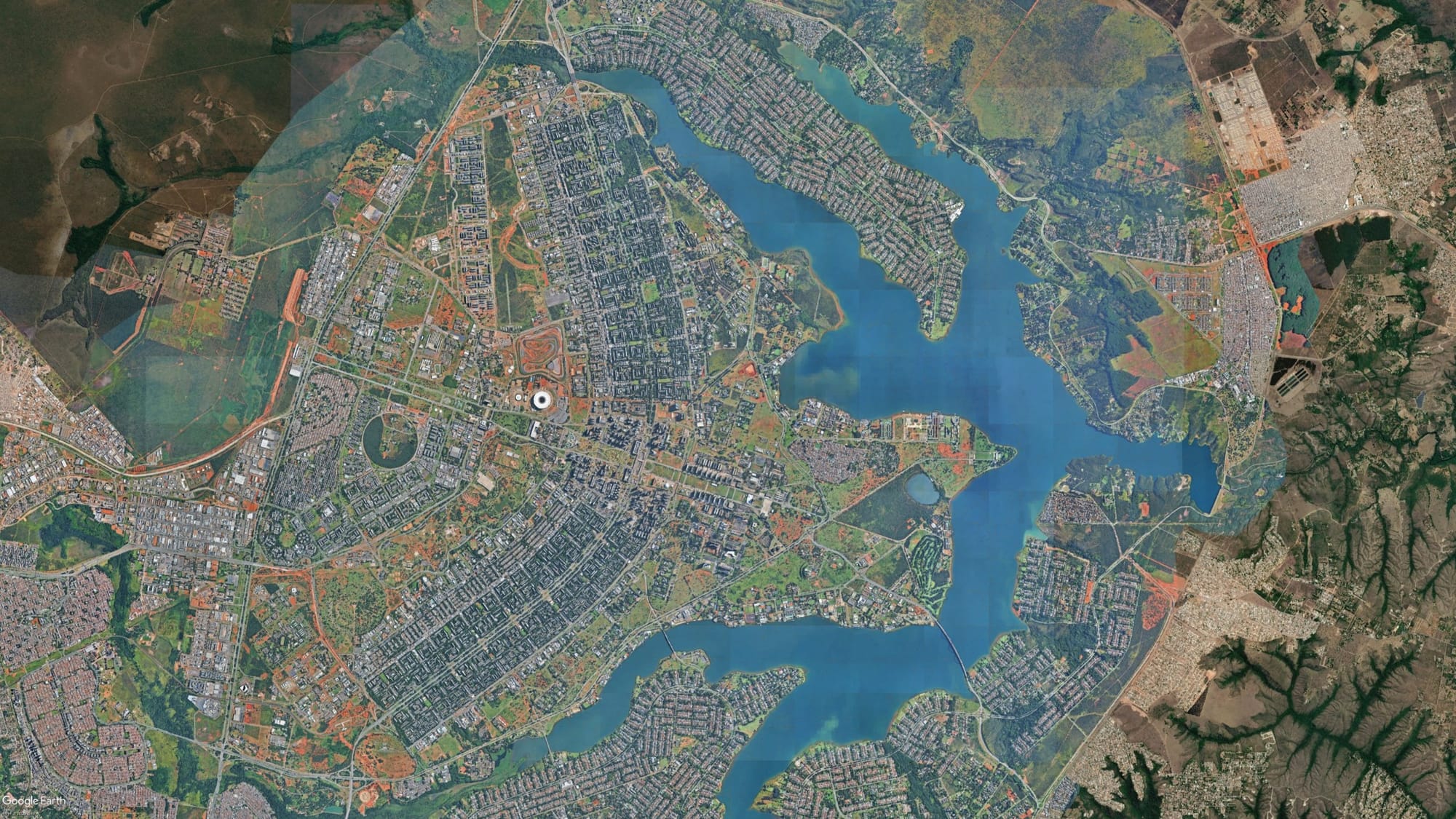
Costa and Niemeyer worked within Le Corbusier's doctrines, and the second of his rules was the death of the street: pedestrians on one side, cars on the other, every function in its own sector. It was the end of the street as a place where you run into people by chance. The first residents came up with a word for what they felt, brasilite, roughly Brasília-itis, a mock illness: missing what street life gives you in the rest of Brazil, the distractions, the talk, a little flirting, the small daily rituals.
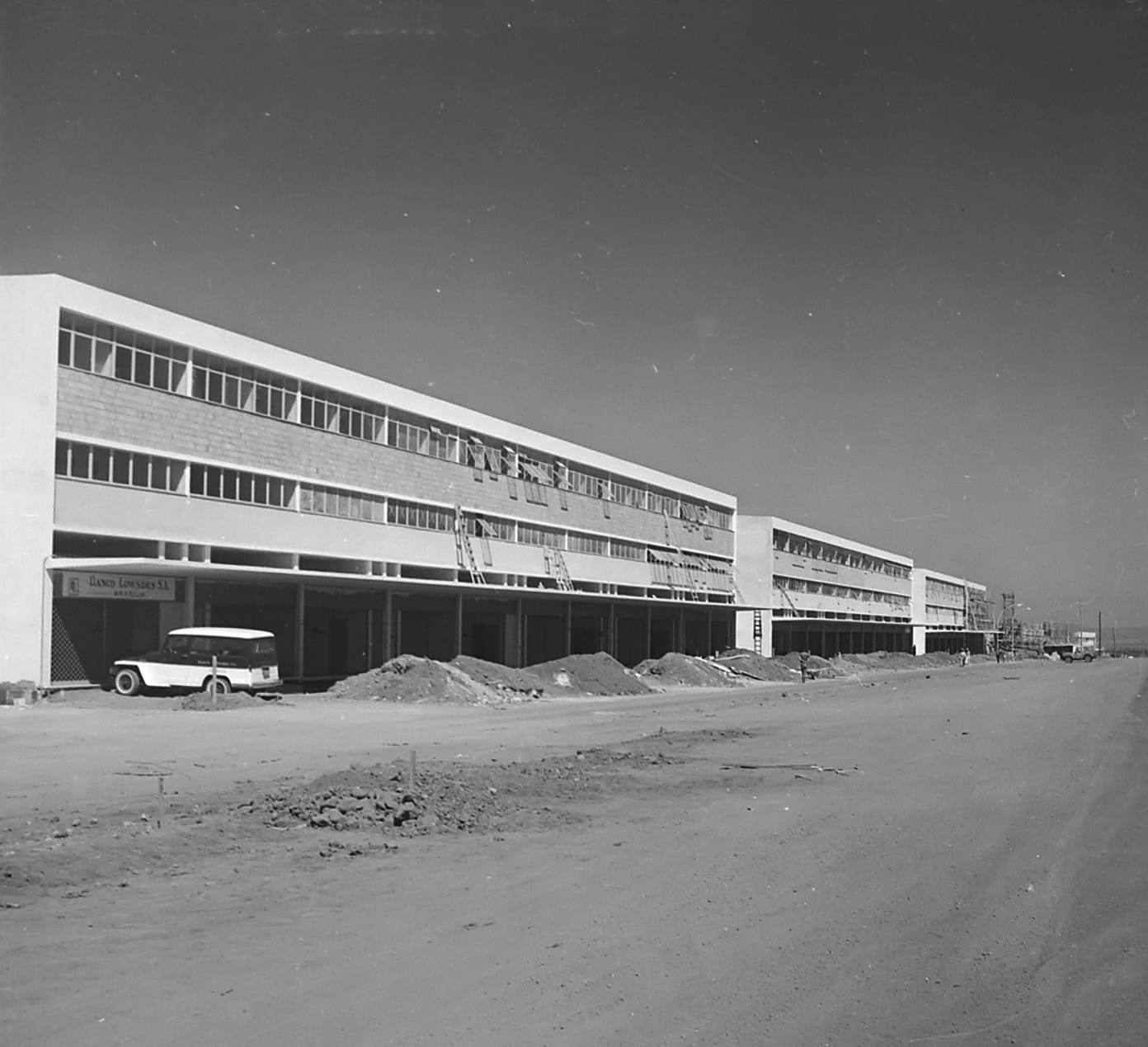


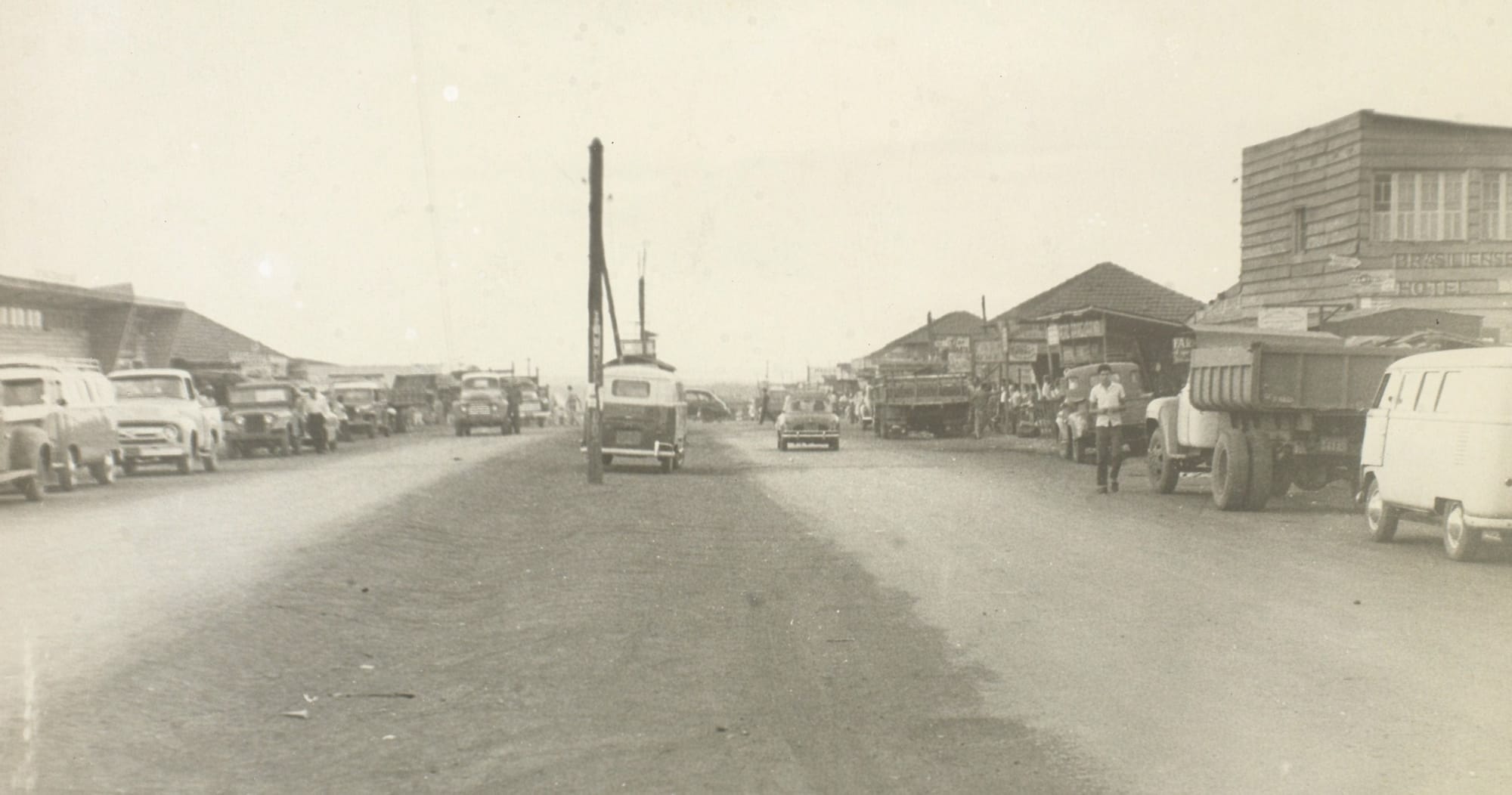
And then there is the Brasília that was not in the plan. The workers who built it were at first called, with contempt, candangos: men without qualities. In 1980, Scott writes, on the evidence of the anthropologist James Holston, three quarters of Brasília's inhabitants lived in settlements that nobody had foreseen, and the planned city had not reached even half of the 557,000 people it was designed for. The two Brasílias, Scott concludes, were more than different: they needed each other. The drawing stayed perfect. The real city grew outside the drawing.
Chandigarh: the city I didn't see
In 2017 I went on a wonderful trip to India, and at one point I found myself less than thirty kilometres from Chandigarh. I wanted to go. But we were a group, on a coach, and I was the only one who wanted to, and we didn't go. In that moment I understood that I had passed by something I would never see with my own eyes, because I would never go back there. I haven't been back, and I don't know if I ever will. It was one of those very long journeys to the other side of the world that you come home from saying you'd set off again tomorrow. Then you sit down and think it through: travel costs money, there is the whole rest of the world to be curious about, and unless you have a very strong tie to a place, you don't go back. There is something beautiful about that, and something sad.
Chandigarh was built as the new capital of the Indian Punjab, after the Partition of 1947 had left Lahore to Pakistan; today it is the capital of both Punjab and Haryana. Nehru wanted a city that would show the nation's confidence in its future, "unfettered by the traditions of the past". The first plan was by Albert Mayer and Matthew Nowicki. When Nowicki died suddenly, in 1950, Nehru, Scott writes, called in Le Corbusier, who from 1951 designed the city with his cousin Pierre Jeanneret. Le Corbusier kept Mayer's layout but pushed it towards monumentality and straight lines: a grid instead of curves, a great axis at the centre, enormous squares which, Scott wrote at the end of the 1990s, stood largely empty.
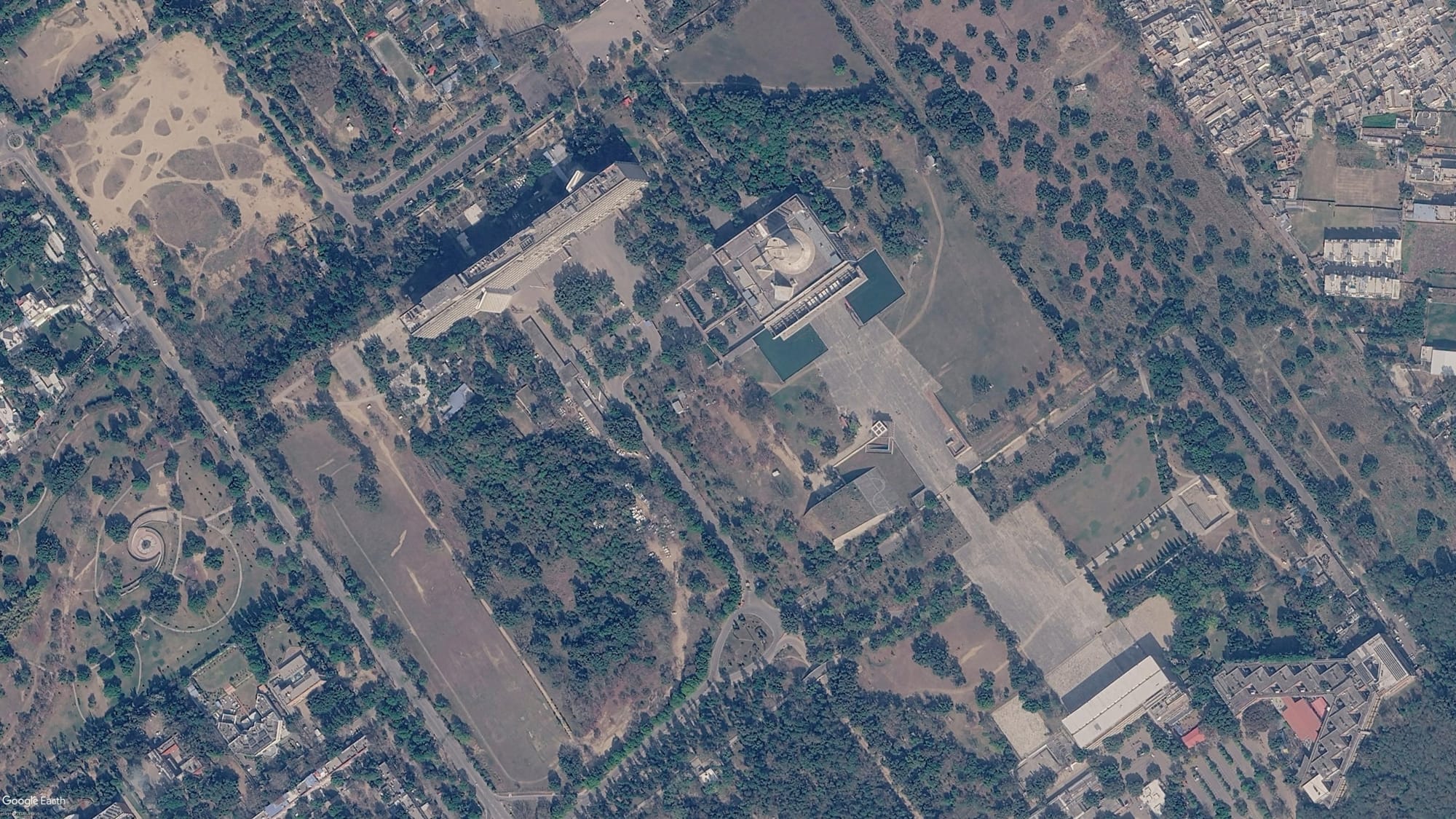
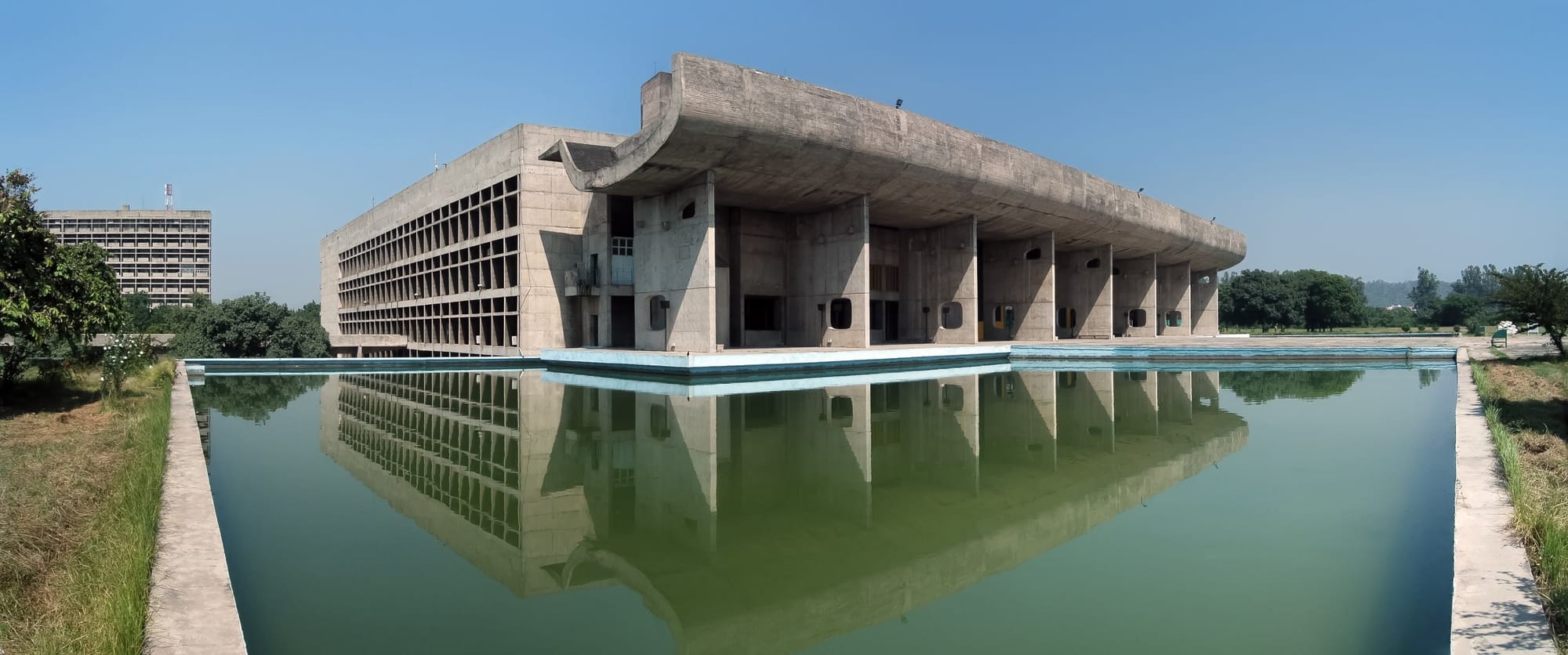
There is one detail that ties this series together from end to end. According to the English architect Maxwell Fry, who worked with him, Le Corbusier had brought to Chandigarh a plan of the great axis of Paris, the one that runs from the Louvre to the Arc de Triomphe, and was looking for the greatest extent of grandeur the eye could take in at a single view. In the first chapter, at Pienza, the square was the size Aristotle asked of a city: one you could take in at a single view. The same single view, five centuries later, measured the other way round. At Pienza the question was how small a city must be to be understood; at Chandigarh, how big it can be and still impress.


About ten years later, on the other side of the subcontinent, it was another architect's turn. In Dhaka, which was then in East Pakistan, the Pakistani government wanted a second seat for its parliament, with a district of its own. There the state was not even democratic: it was a military government that wanted the parliament, the martial-law regime under which Ayub Khan had ruled Pakistan since 1958, and the decision to build it in Dhaka dates from 1959. The project had first gone to a Bengali architect, Muzharul Islam, who passed it on to Louis Kahn, and Kahn received the commission in March 1962. Building began in 1964 and ended in 1982, by which time the country was called Bangladesh and Kahn had been dead for eight years. It is a piece of a capital, not a city. Almost thirty years after his death his son, Nathaniel Kahn, made it one of the stops in My Architect, the 2003 documentary in which he goes looking for his father in his buildings, all the way to Dhaka, and which was nominated for an Oscar. I have seen it. It is a beautiful film.
Where the paper ends
Scott has a word for what these plans leave out: mētis, the Greek word for the know-how you can only learn by doing, and must adjust afresh for every job. It is the knowledge of the bricklayer, of the farmer, of the trader who can tell where to set up a stall. Look at the centre of Brasília or Chandigarh and it seems there is no need for it. Then, where the paper ends, it is exactly that knowledge that builds the other city, the one the plan had not foreseen and without which the plan could not stand.
Jane Jacobs, who in 1961 attacked that way of making cities in The Death and Life of Great American Cities, looked at the city from the pavement, like someone who walks it every day, while Le Corbusier looked at it from above. The next chapter, the last, goes back to one man and one drawing, in the desert, and to the hill we set out from.
Further reading
James C. Scott, Seeing Like a State: How Certain Schemes to Improve the Human Condition Have Failed (Yale University Press, 1998). Chapter 4, "The High-Modernist City: An Experiment and a Critique", with Brasília and Chandigarh; mētis is the subject of chapter 9, "Thin Simplifications and Practical Knowledge: Mētis".
James Holston, The Modernist City: An Anthropological Critique of Brasília (University of Chicago Press, 1989).
And the documentary: Pasolini e… la forma della città, by Paolo Brunatto (Rai, 1974), in Italian, filmed partly at Sabaudia.
And another film: My Architect, by Nathaniel Kahn (2003), about his father Louis and his buildings, all the way to Dhaka.