Essay
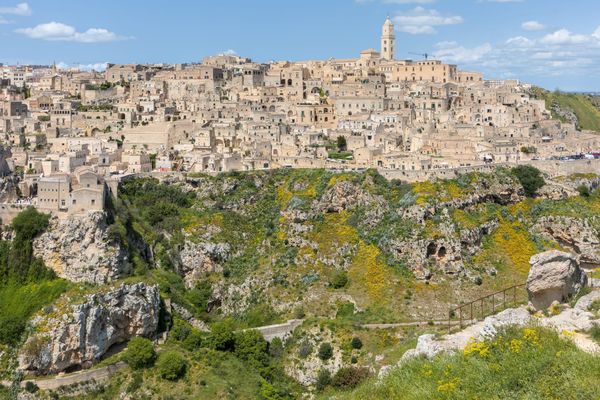
MATERA — THE CAVE CITY THAT WAS A DISGRACE, THEN A WONDER
In 1952 Italy emptied the caves of Matera as a national disgrace. Today they are hotels, film sets and a World Heritage Site. How the Sassi work, and who paid for the change.

The long pieces. Each essay takes one place, or one book, and reads it slowly: its history, its construction, the choices behind it, and the question it leaves open. They take longer to read than a post should. That's the point.
Essay
In 1952 Italy emptied the caves of Matera as a national disgrace. Today they are hotels, film sets and a World Heritage Site. How the Sassi work, and who paid for the change.
Architecture
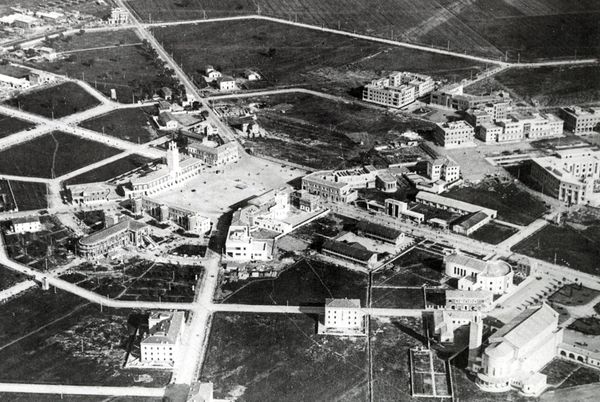
Latina and Sabaudia, Brasília, Chandigarh: cities a state drew on a blank sheet of paper, and the real city that grew where the paper ended. Chapter IV of Utopian Cities, with a detour to Louis Kahn's parliament in Dhaka.
Architecture
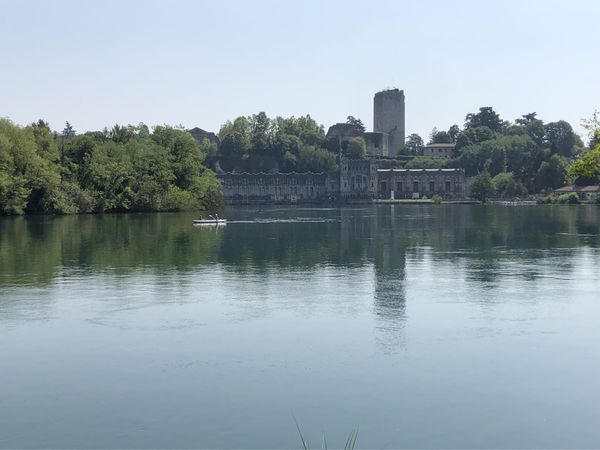
A sleeping-car maker builds a town south of Chicago, a cotton manufacturer a village on the Adda, Henry Ford a rubber town in the Amazon. Chapter III of Utopian Cities: the company town, and what is left of it once the company no longer needs it.
Architecture
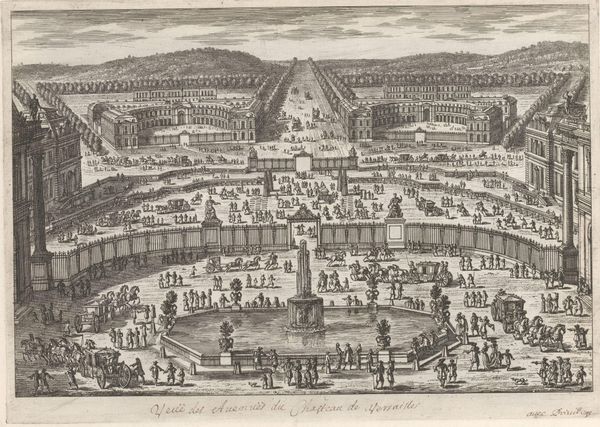
Three avenues converge on the palace at Versailles, some thirty streets fan out from a tower at Karlsruhe, and a prefect cuts boulevards through Paris. Cities laid out for power, who paid the bill, and why Paris is still one of the best cities to walk in.
Architecture
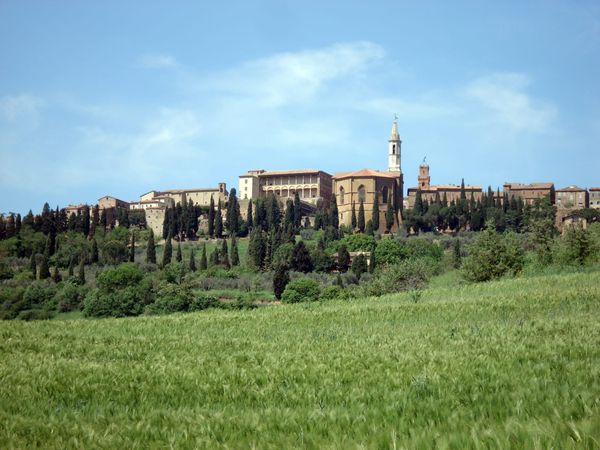
A pope goes back to the village where he was born and turns it into a city in three years: a trapezoid square, a street that hides its end, a church sliding towards the valley, and a palace built only for looking.
Architecture
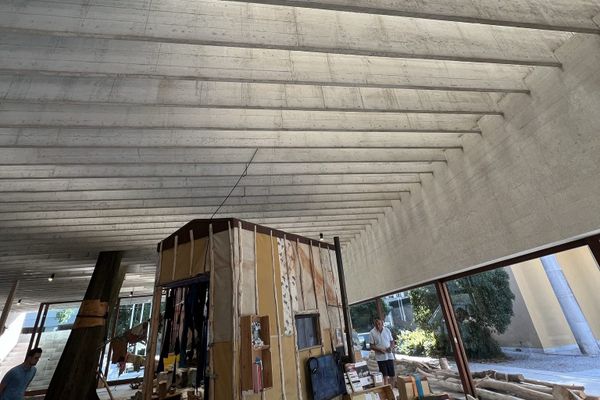
In 2004, off the night train, Venice filled our eyes so much that we asked ourselves whether we really wanted to go into the Biennale. Nineteen years later I have the answer: go in, for the pavilions, and come out slowly.
Strata
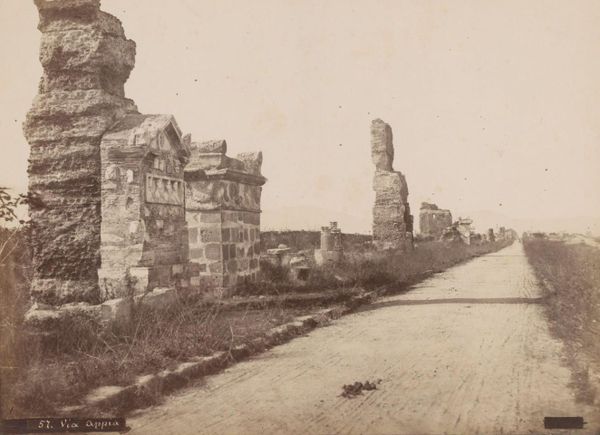
Almost nothing of the Appian Way we carry in our heads is ancient. The fragments on the walls, the road dug out and given back, the enclosure, the pines: someone decided all of it, between 1808 and the twentieth century.
Restoration
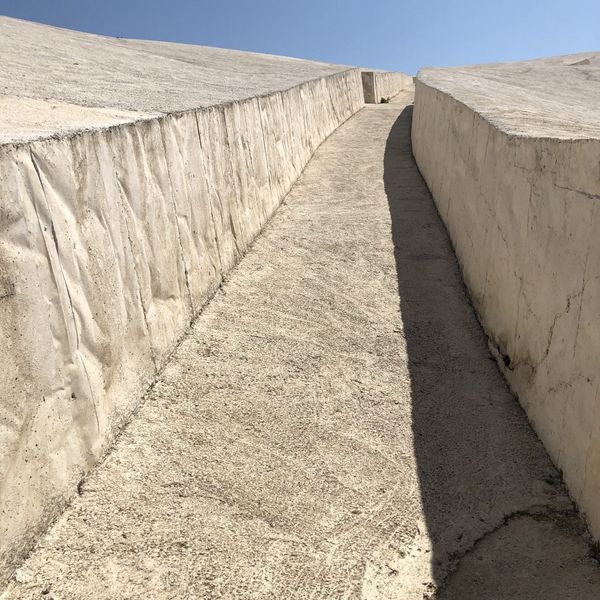
I got there by motorbike in June 2019, two months after the Notre-Dame fire, and didn't connect the two. It took me seven years.
Architecture
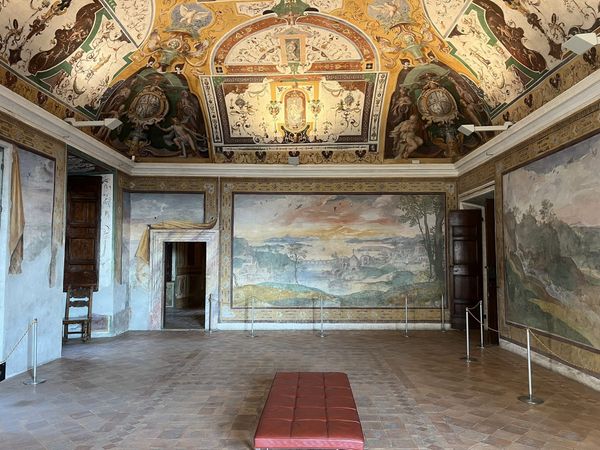
At the gate of Bomarzo a sphinx asks whether marvels are made by deception or by art. Take her to Villa d'Este: the palace is painted to lie, the fountains play music and birdsong, and the man who designed it all invented inscriptions. Room by room, the other side of the garden.
Architecture
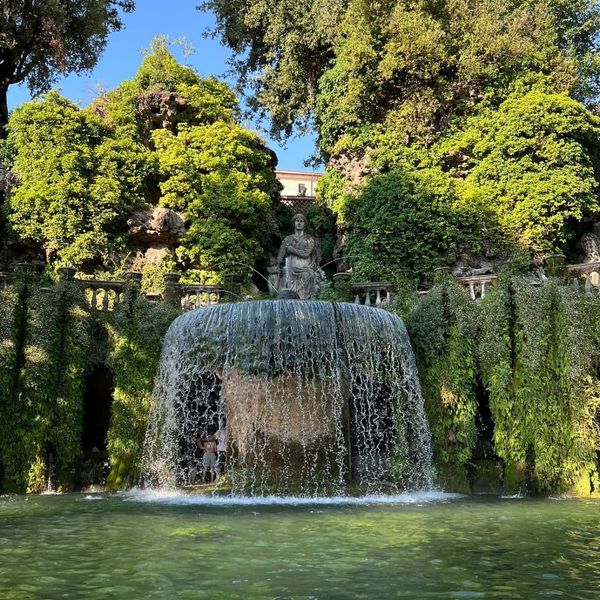
Villa d'Este is not a garden with fountains. It is a hydraulic machine, and a map you can walk, built between six lost conclaves by a man who never got to Rome, and who brought Rome home instead.
Architecture
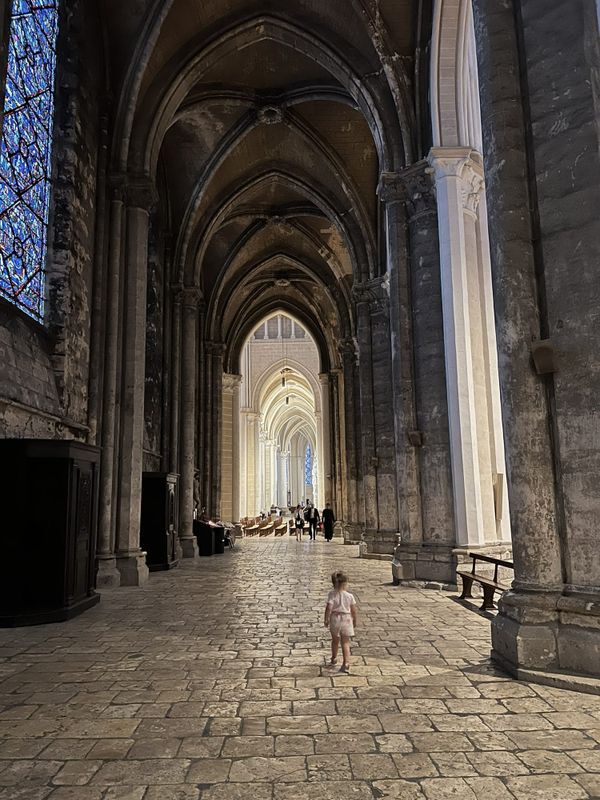
I walked into Notre-Dame and found it flat. Then I discovered that the man who designed its light calls himself a sculptor of shadows.
Strata
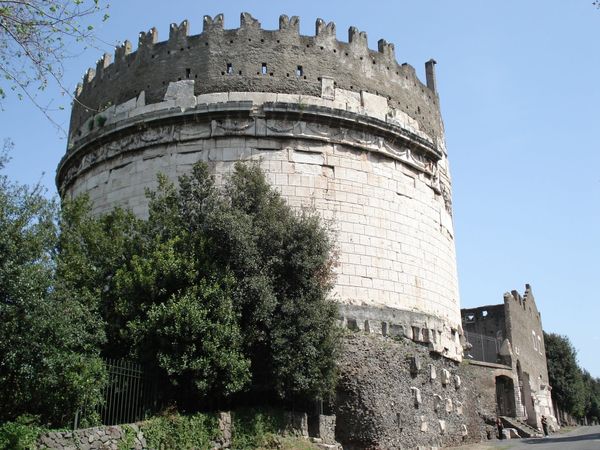
On the Appian Way you ride higher than the fields. It isn't an impression: you are on the back of a lava flow that stopped exactly where the tomb of Caecilia Metella stands.