Things to Do in Siena, Italy: One Day on Its Three Ridges, from Florence or Rome
Siena on foot in a day: the three ridges everyone walks, and the valleys, fountains and fortress below them that the coaches never reach.
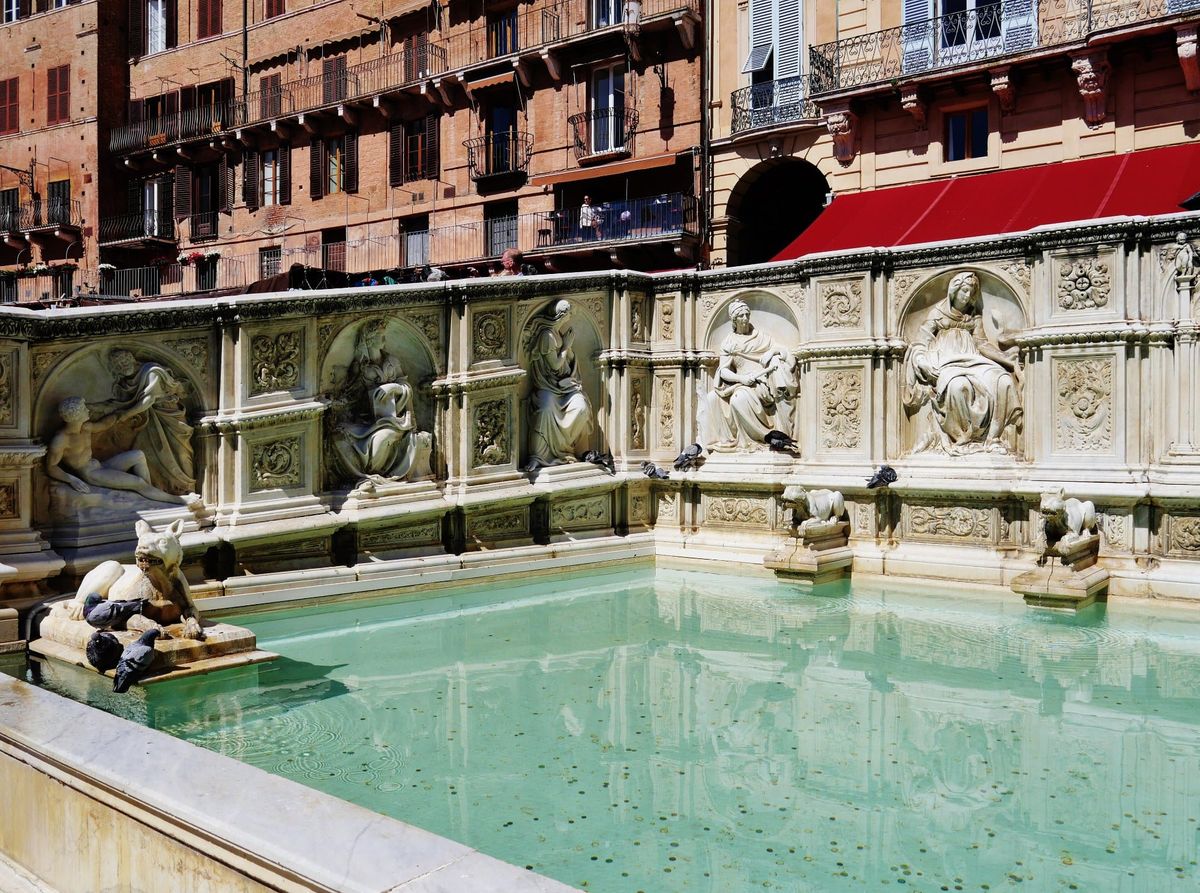
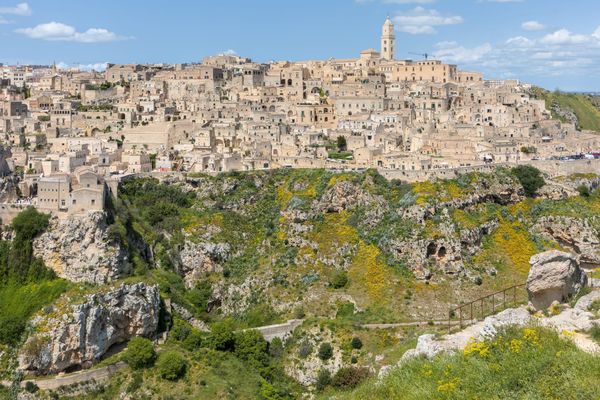
Everyone walks Siena along its ridges, and rightly so: up there are the Campo, the tower and the cathedral. But the city also has a lower floor that you never see from a coach: green valleys inside the walls, fountains where the water dug through the rock comes back to the surface, and a Medici fortress that is now a park. In one day you can do both.
The first time
The first time I came to Siena I was very young, with Kat, and I had three books in my head. I had studied them and I wanted to see whether the city was really what they described. So I walked round with my nose in the air.
We drove up from Rome, by way of the Crete and the Val d'Orcia. We went into the Palazzo Pubblico and climbed the Torre del Mangia, and we looked at the tower from below as well, which is another way of measuring it. In the cathedral I searched the floor, carefully, for the panel of Hermes Trismegistus, because his story had stayed with me. Then we walked, a lot, and went into a couple of churches whose names I don't remember.
Of that day, the books matter less than I expected. What stayed with me is a steak, the wine, and Kat. The why of things, the three hills, the Campo as a political act, the cathedral that was never finished, is in the essay, Siena: the city that never really lost. This is how to spend a day there, and where to go when the ridges are full.
Short answers
Is Siena worth visiting? Yes, without argument. UNESCO, which listed its centre in 1995, calls it «the embodiment of a medieval city», and unlike Florence you can walk all of it in a day, as long as you accept that you are always going up or down.
How long do you need? A full day is enough for the Campo, the tower, the Palazzo Pubblico, the cathedral and one of the valleys. With a night you can add Santa Maria della Scala, and the Campo in the evening without watching the clock.
From Florence or from Rome? From Florence it is a real day trip: an hour and a half on a direct regional train, a little less by bus. From Rome it is a good two and a half hours by car, nearly three by coach: you can do it in a day, but you spend more time on the road than in the city. From Rome, stay the night, or arrive in the evening after a day in the Val d'Orcia; the other day trips from Rome are on one page.
If you only have one day, what do you skip? Santa Maria della Scala, reluctantly. Not the tower, and not the cathedral.
What should you know before you go? The tower cannot be booked: tickets are sold only on the day, and they run out. The Pinacoteca Nazionale has been closed for works since January 2026. The cathedral floor is uncovered for only part of the year. And on 2 July and 16 August there is the Palio: on those days you don't visit Siena, you endure it, unless the Palio is why you came.
Florence to Siena by train or bus
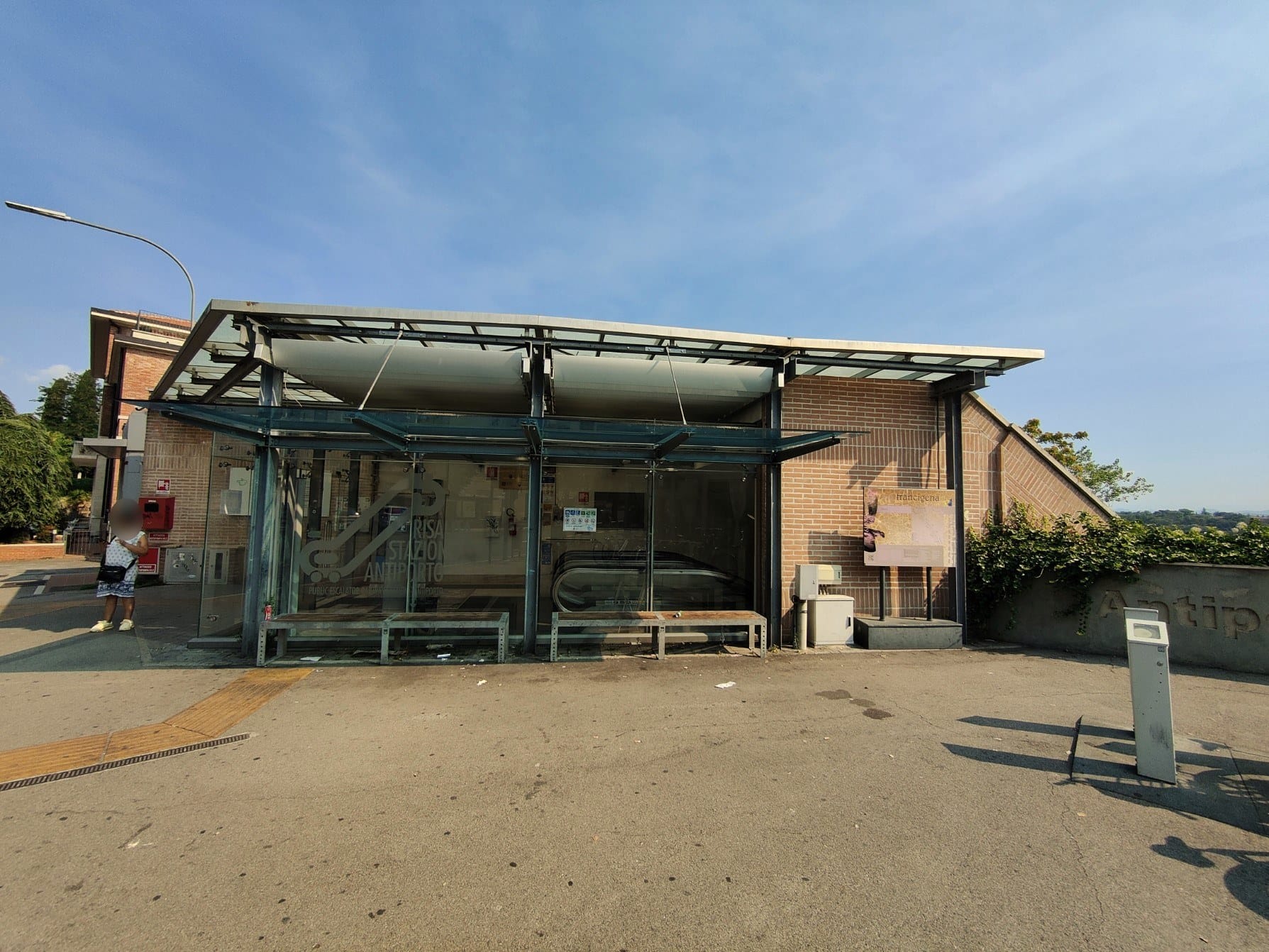
By train. Direct regional trains run from Santa Maria Novella to Siena roughly every hour and take about an hour and a half; other trains change at Empoli and add half an hour or more. Before you set off, check on the timetable that yours is direct. Siena station, though, is down in the valley, about two kilometres north of the centre, and the city is on top. You don't need a taxi: in front of the station starts the risalita, a free chain of escalators and moving walkways that takes you up to the Antiporto, close to Porta Camollia.
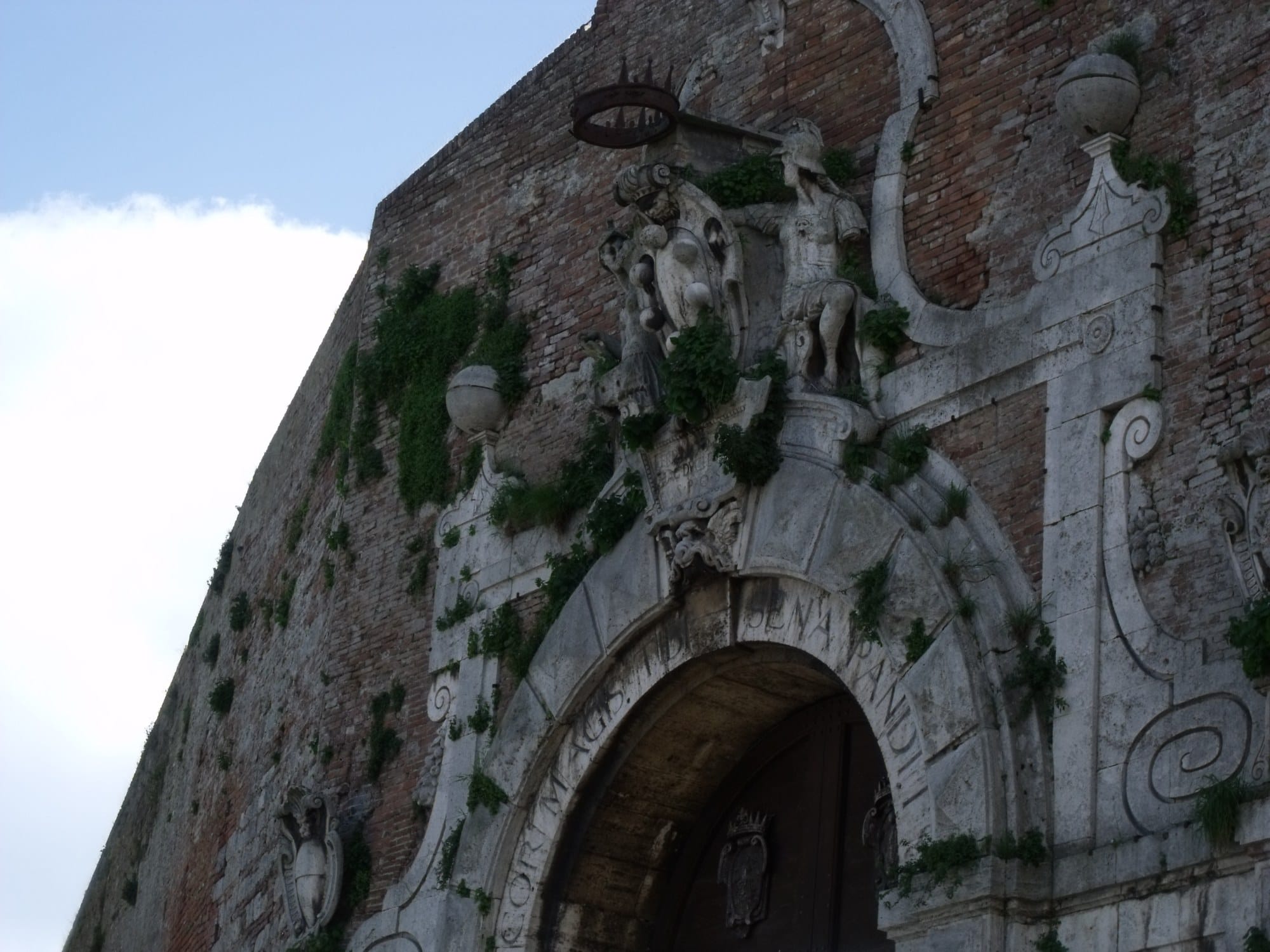
Porta Camollia is the gate you enter by when you come from Florence, and on its outer arch, rebuilt in 1604 for the entry of Grand Duke Ferdinando I de' Medici, is the kindest sentence a city ever wrote on a gate: Cor magis tibi Sena pandit, Siena opens its heart to you wider than this gate. From there you walk down the Camollia ridge, which becomes Banchi di Sopra, straight to the Campo. It is the right way to arrive: the city explains itself as you walk.
By bus. Autolinee Toscane's 131R, the fast one, and the 131 leave from the bus station on Via Santa Caterina da Siena, a few steps from Santa Maria Novella, and arrive in Piazza Gramsci, at the Via Tozzi stop: the fast bus takes about an hour and a quarter, the other about an hour and a half. The advantage over the train is that Piazza Gramsci is already inside the walls, ten minutes from the Campo. Buy your ticket at the bus station.
By car. The Florence–Siena motorway link takes you from one city to the other in about an hour and a quarter. On the way, twenty minutes or so before Siena, is Monteriggioni (more on it at the end of this guide).
Rome to Siena by train, bus or car
By car is the most beautiful way. The A1 motorway to the Valdichiana exit, then the Siena–Bettolle link road: about 230 kilometres, a good two and a half hours. But if you take the back roads through the Val d'Orcia and the Crete Senesi instead of the link road, the hours become a whole day, and Siena becomes the evening. That is the road we took. Pienza, Montepulciano and Montalcino are in the Val d'Orcia by car guide.
By coach it is quicker than by train, for once. FlixBus and Itabus leave from the Tiburtina bus station in Rome and reach Siena station in about two and three quarter hours; from there you go up on the escalators, like anyone arriving from Florence.
By train you change at Florence or at Chiusi, and it takes about three and a half hours.
Where to park in Siena
The centre is a limited traffic zone, with electronic gates that work day and night. You cannot drive in without a permit. To drop your bags, the operator issues a free half-hour permit; if your hotel has a garage inside the walls, it registers your number plate. For a day visit you need nothing: the car stays outside.
The car parks are below the walls, and it is worth choosing them by where you want to come out. San Francesco has an escalator link that brings you up beside the basilica of San Francesco, in the north-east of the centre. Santa Caterina is low down, below Fontebranda, and the Costone escalators pull you up towards the cathedral and the Campo. These two, like Il Campo and Il Duomo, cost €2 an hour, €35 a day. Stadio-Fortezza is cheaper for the whole day, €26, and a quarter of an hour on foot, past the fortress. The Santa Caterina car park is closed from 23 to 28 November 2026.
A map of Siena
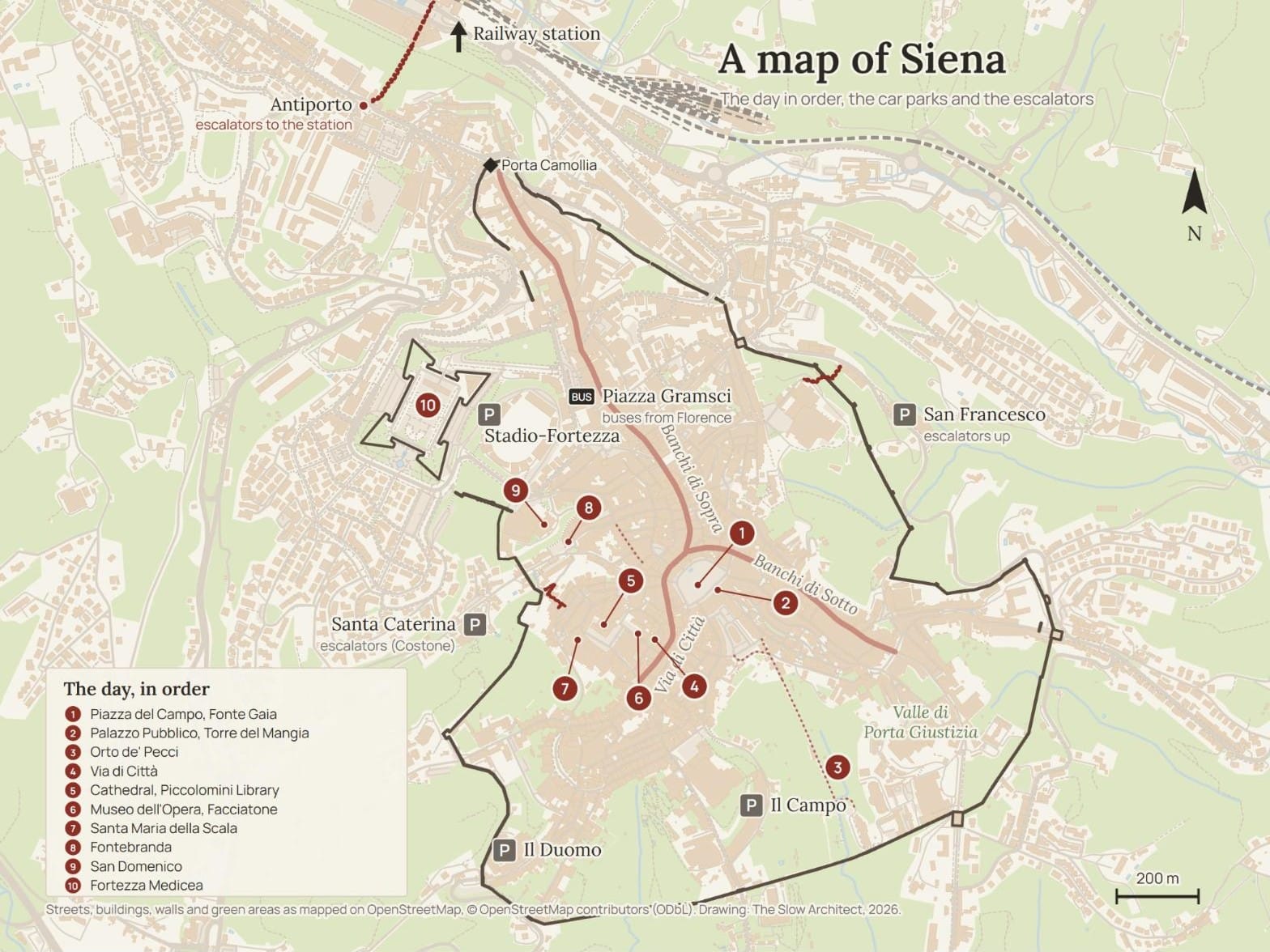
Things to do in Siena, in order
Piazza del Campo and the Fonte Gaia
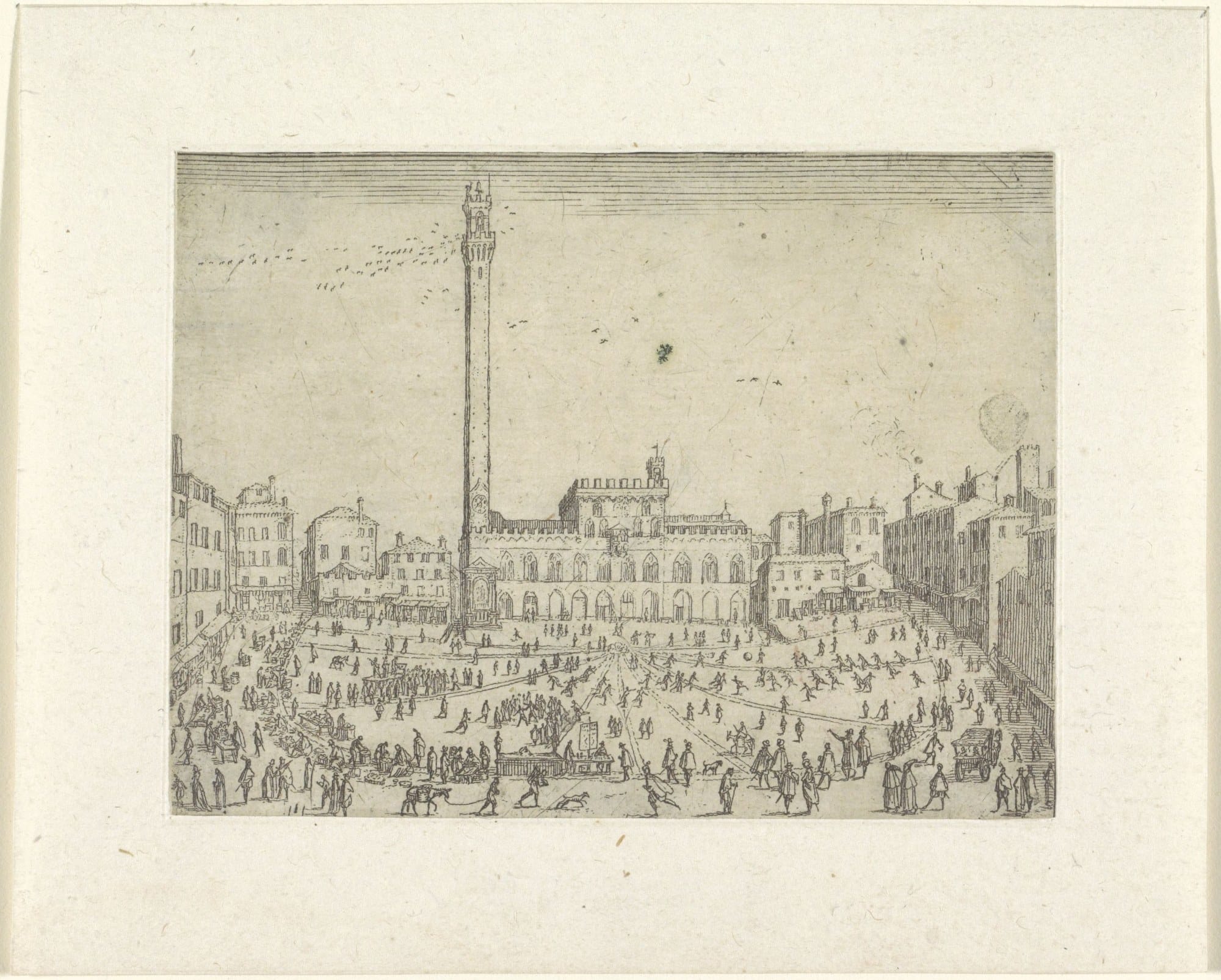
However you arrive, you come down to the Campo from a ridge. The street brings you out on the upper rim of the hollow and the square opens all at once, sloping down towards the Palazzo Pubblico like a shell set down askew. The herringbone brick paving was finished in 1349 and is divided by strips of stone into nine segments, which tradition says recall the Nine, the government that made the square. Sit on the brick for a minute: the slope pushes you towards the palace.
At the top, on the rim, is the Fonte Gaia. It is the end of a tunnel dug by hand through kilometres of rock, and the water reached the square in the early 1340s, after years of digging (the essay tells why Siena was so thirsty). Jacopo della Quercia's fountain, finished in 1419, had worn away: the one you see is the copy Tito Sarrocchi completed in 1868. The originals, battered and beautiful, are in Santa Maria della Scala.
Torre del Mangia: tickets and the climb
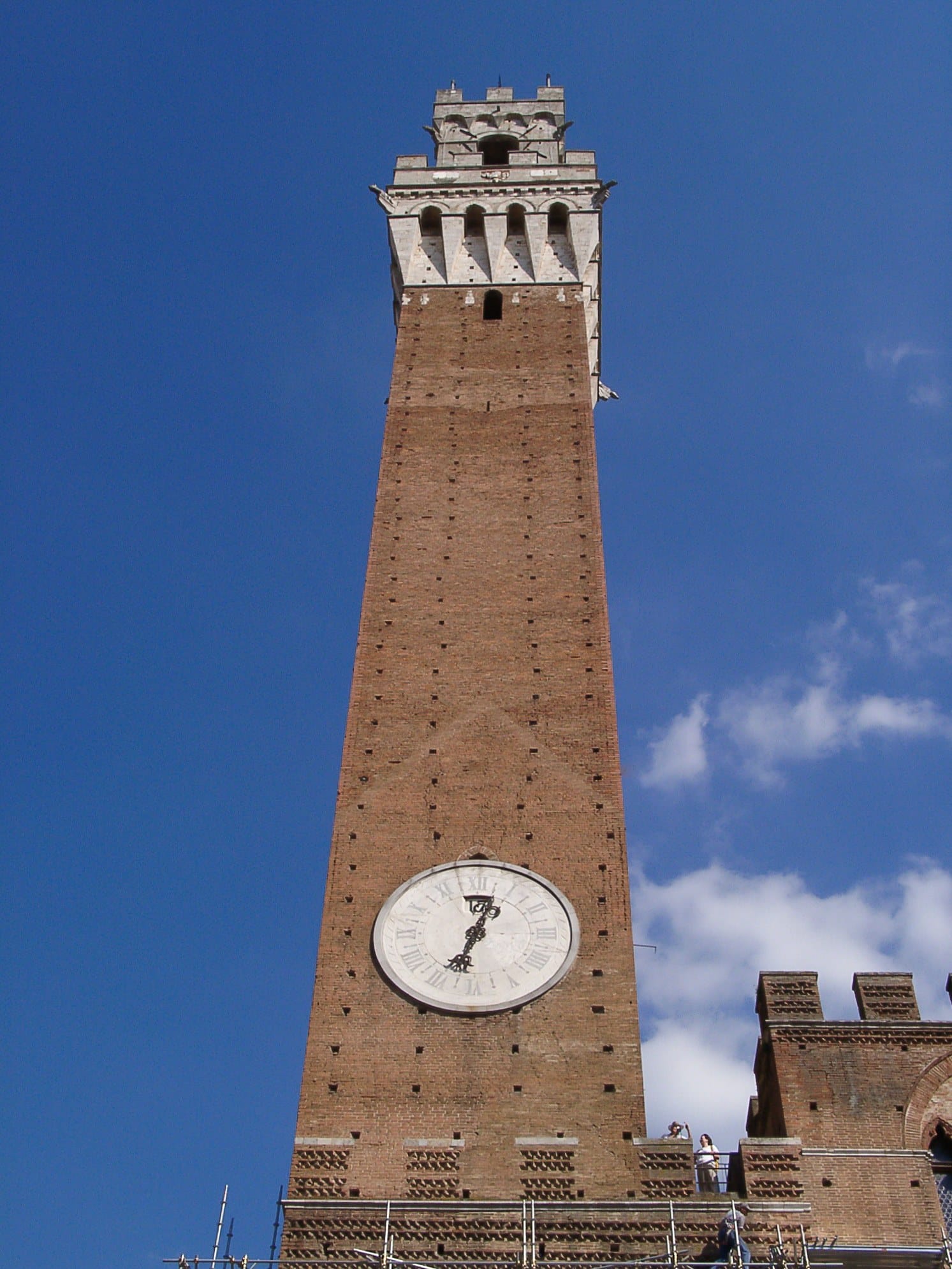
First of all, as soon as you arrive, the ticket office of the Palazzo Pubblico. The Torre del Mangia cannot be booked: tickets are sold only for the same day, here or at the information point on Via di Città, and once the day's places are gone, that's it. You go up in groups of twenty-five, every three quarters of an hour; in winter, from 1 November to the end of February, the first climb is at ten and the last at 3.15 pm. A ticket costs €10, €15 with the Museo Civico. If the first free slot is an hour away, take it and walk round the Campo while you wait: with the combined ticket, the museum comes after the tower.
It is about four hundred steps, no lift, narrower and narrower, and the visit lasts half an hour at most, up and down included. The tower is 87 metres high, 102 with the lightning rod, and was finished around 1348. From below it looks impossible. From the top Siena can finally be read: the three rows of roofs running down to the square, the cathedral in its white and dark stripes on the other side, and all around, down among the houses, the green patches of the valleys we will walk into in the afternoon.
Palazzo Pubblico and the Good Government
The Museo Civico is in the same palace, on the first floor, and costs €10 (€11 if you book); in winter it is open from 10 am to 6 pm. Two rooms matter more than the others. In the Sala del Mappamondo is Simone Martini's Maestà, of 1315, and facing it the Guidoriccio on horseback, which tradition gives to Simone and scholars have argued over for almost fifty years. In the Sala dei Nove is Ambrogio Lorenzetti's Allegory of Good and Bad Government, painted in 1338 and 1339: a city that works, dances and builds, and a countryside in order all the way to the horizon. Ten years later the plague came. The essay tells why it is the bitterest painting in Siena.
On your way out, look at the stone loggia at the foot of the tower: it is the Cappella di Piazza, begun in 1352 for a vow made during the plague. The palace and the chapel stand together like a promise and its bill.
Behind the Palazzo Pubblico: the Orto de' Pecci
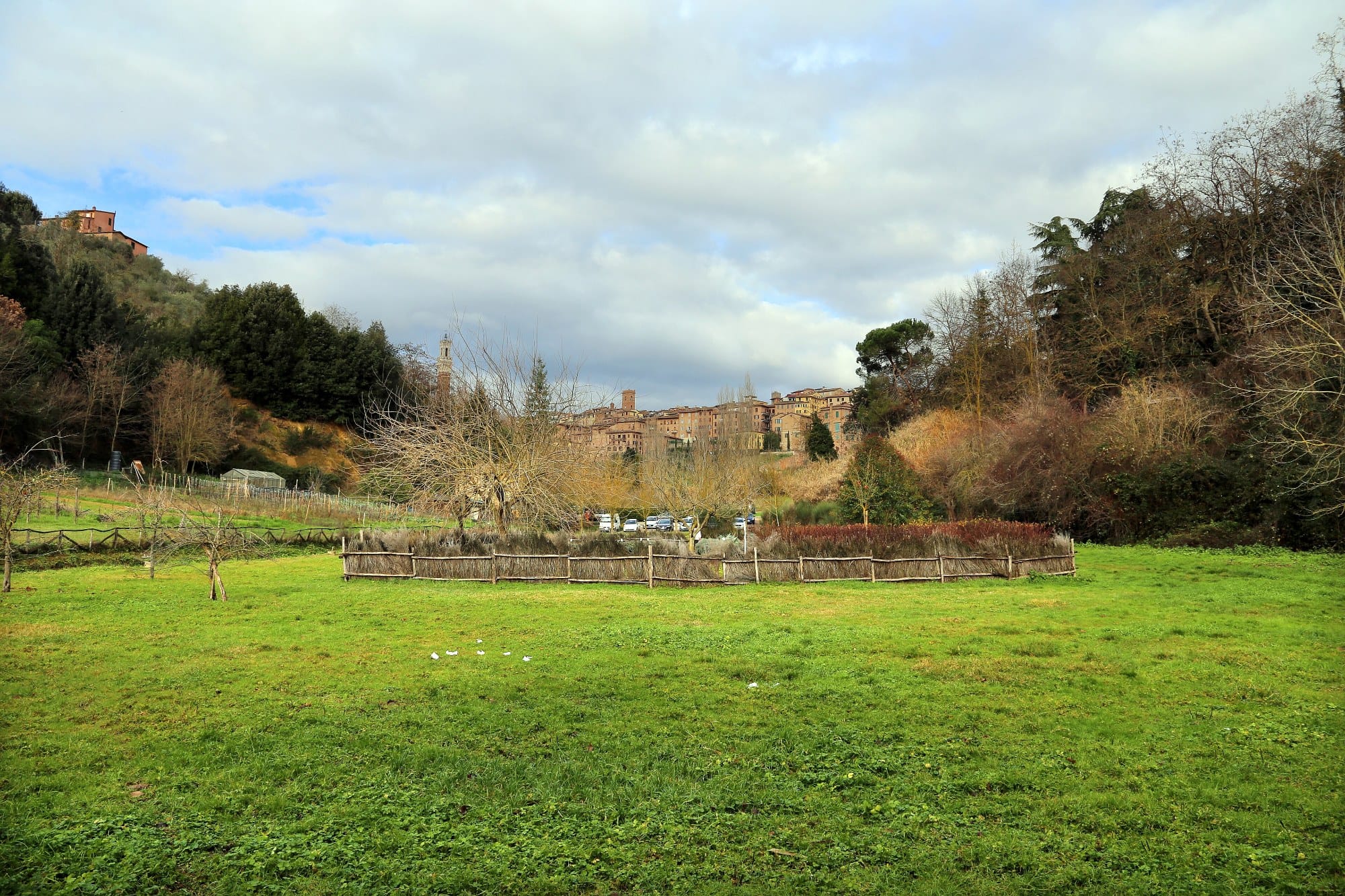
This is the first step off the usual route. Go round the Palazzo Pubblico to the side away from the Campo and come out in Piazza del Mercato: a terrace facing south, where the city seems to end. From there a steep street runs down into the Valle di Porta Giustizia, and in a few minutes you are in the countryside, with the tower over your head.
At the bottom of the valley is the Orto de' Pecci, a kitchen garden and park with a reconstructed medieval garden, an organic vegetable plot, a donkey, goats, geese and hens. It is looked after by a social cooperative founded in 1983 by doctors and nurses from the old San Niccolò psychiatric hospital, whose patients were already working those fields. It is the most unlikely place in Siena: a meadow with goats, a few hundred metres from the Campo.
It is not the only one. Inside the walls of Siena there are several green valleys, the Valle di Follonica, the Pania, Sant'Agostino, Fontebranda, and since 1956 they have been protected as landscape: gardens and fields the city never filled with houses. From the ridges you can't see them, because the palaces stand in the way like a wall. It is the Siena that isn't on the postcards.
Via di Città to the cathedral
Climb back up and take Via di Città, the crest of the south-western ridge, which runs from the Campo to the cathedral. This is the street to walk slowly. The palaces change material and century at every doorway, the Renaissance stone of Palazzo delle Papesse against Gothic brick, and the side alleys plunge down the flank of the hill.
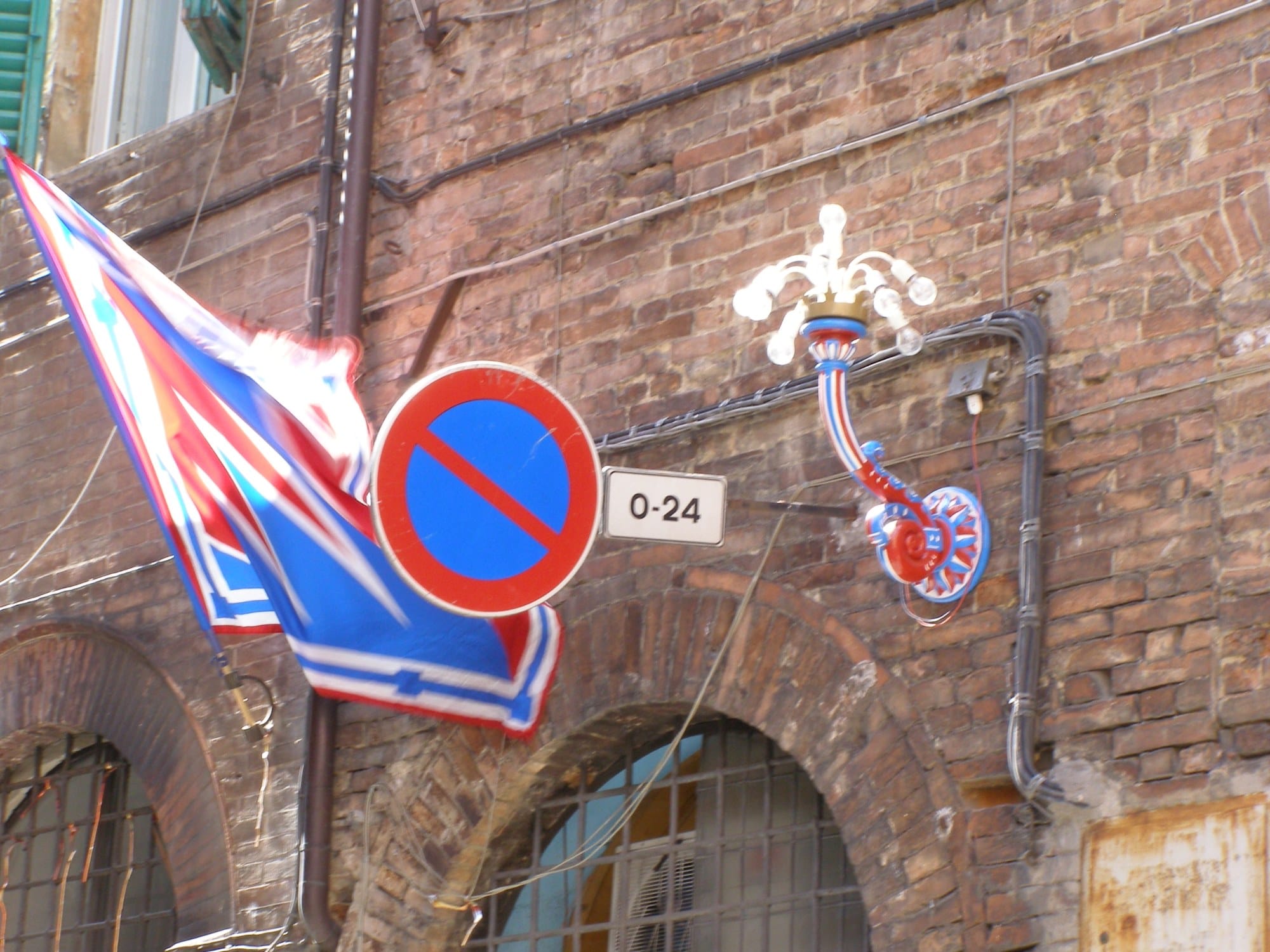
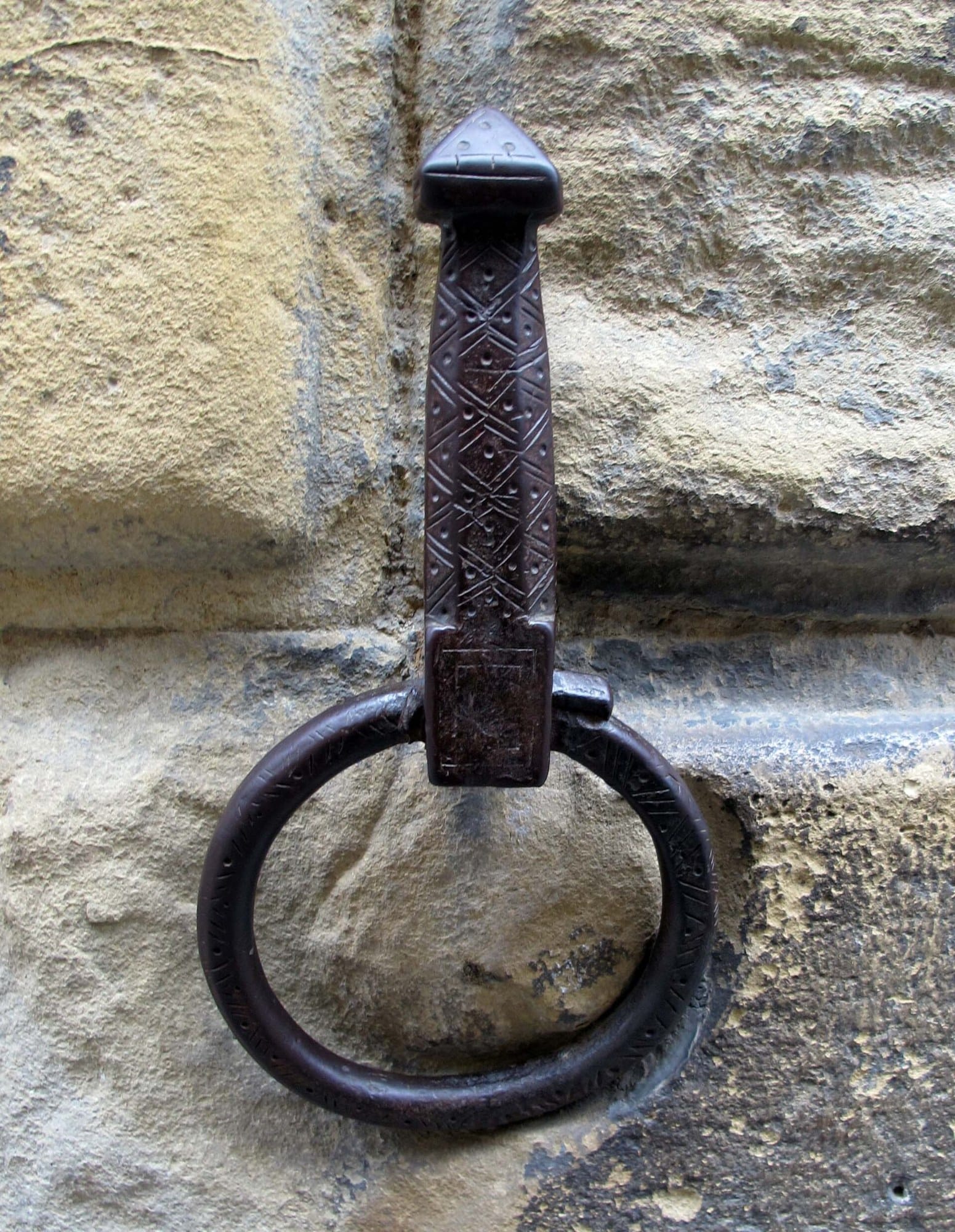
Look up at the walls. The iron rings at hand height were for tying up horses; the brackets higher up hold the contrade's flags. On corners here and there are small plaques with an animal on them: a goose, a tortoise, a snail. They mark the borders of the seventeen contrade, fixed in 1729 and never changed since, and they tell you which small state you are walking through.
It is also time to eat. I won't give you a name: in Siena I ate a steak, and I have no idea where. The advice I can give is different: leave the tables on the Campo alone and walk one street up. What to order is further down, in the section on food.
Siena Cathedral: tickets, the floor and the Piccolomini Library
The cathedral complex is seen with a single ticket, the OPA SI Pass, valid for three consecutive days, one entry to each place: the cathedral, the Piccolomini Library, the crypt, the baptistery and the Museo dell'Opera with the Facciatone. In summer 2026, with the floor uncovered, it cost €16. The Porta del Cielo, the walk over the cathedral roofs, is separate: €20 with the pass included, from 1 March to 6 January. In winter, from 16 November to 24 December, the complex is open from 10.30 am to 5.30 pm, and on Sundays and holidays the cathedral opens in the afternoon only.
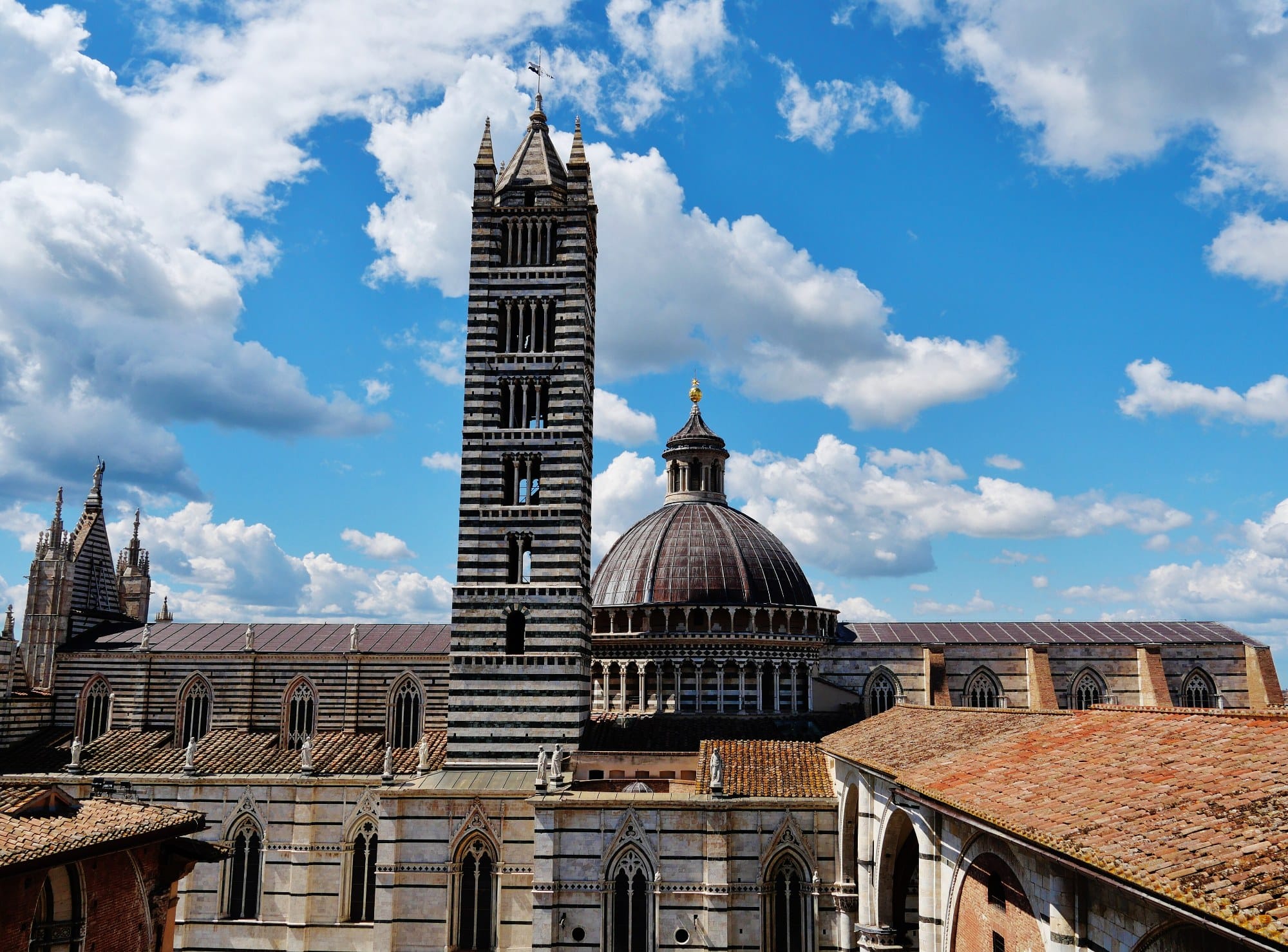
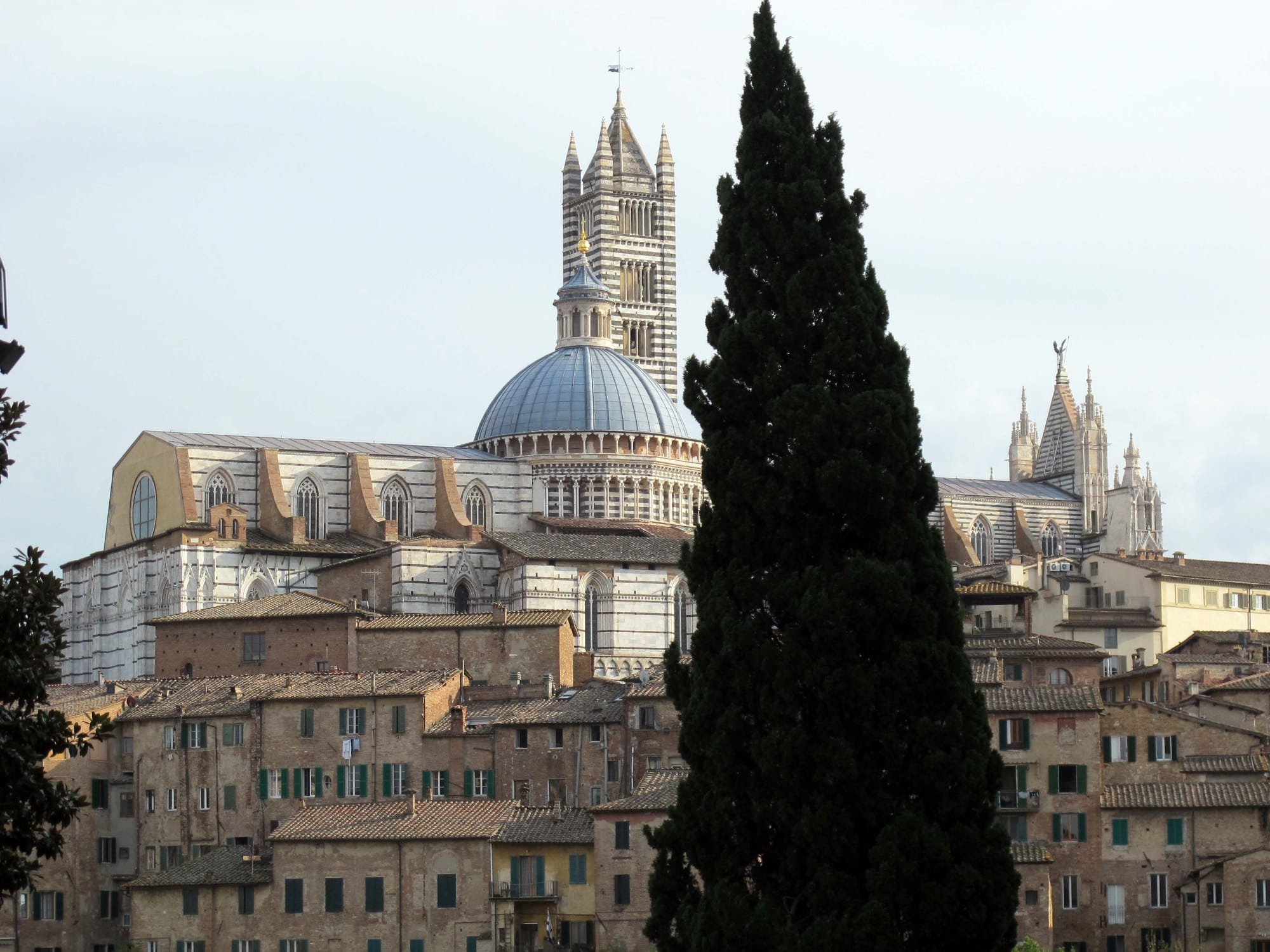
From outside, before you go in, look at the stripes. The white is marble from the Montagnola, near Siena; the dark is a serpentine so deep green it looks black, quarried at Murlo, south of the city. The Sienese like to read the balzana in them, the city's black and white coat of arms; the truth is that many Tuscan churches of the time were striped, but the Sienese reading is the better one.
Inside, the first thing is the floor: fifty-six panels of inlaid marble, made between the fourteenth and the nineteenth centuries. To protect it they keep it covered for a good part of the year and uncover it in summer and autumn: in 2026 from 27 June to 31 July and from 18 August to 15 November. The 2027 dates have not been announced yet. If you find it uncovered, just past the threshold of the central door, look for Hermes Trismegistus: a sage in a tall headdress handing a book to two men, and below, the words that call him a contemporary of Moses. A pagan wise man at the door of a Christian cathedral, set there in 1488. I went there for him.
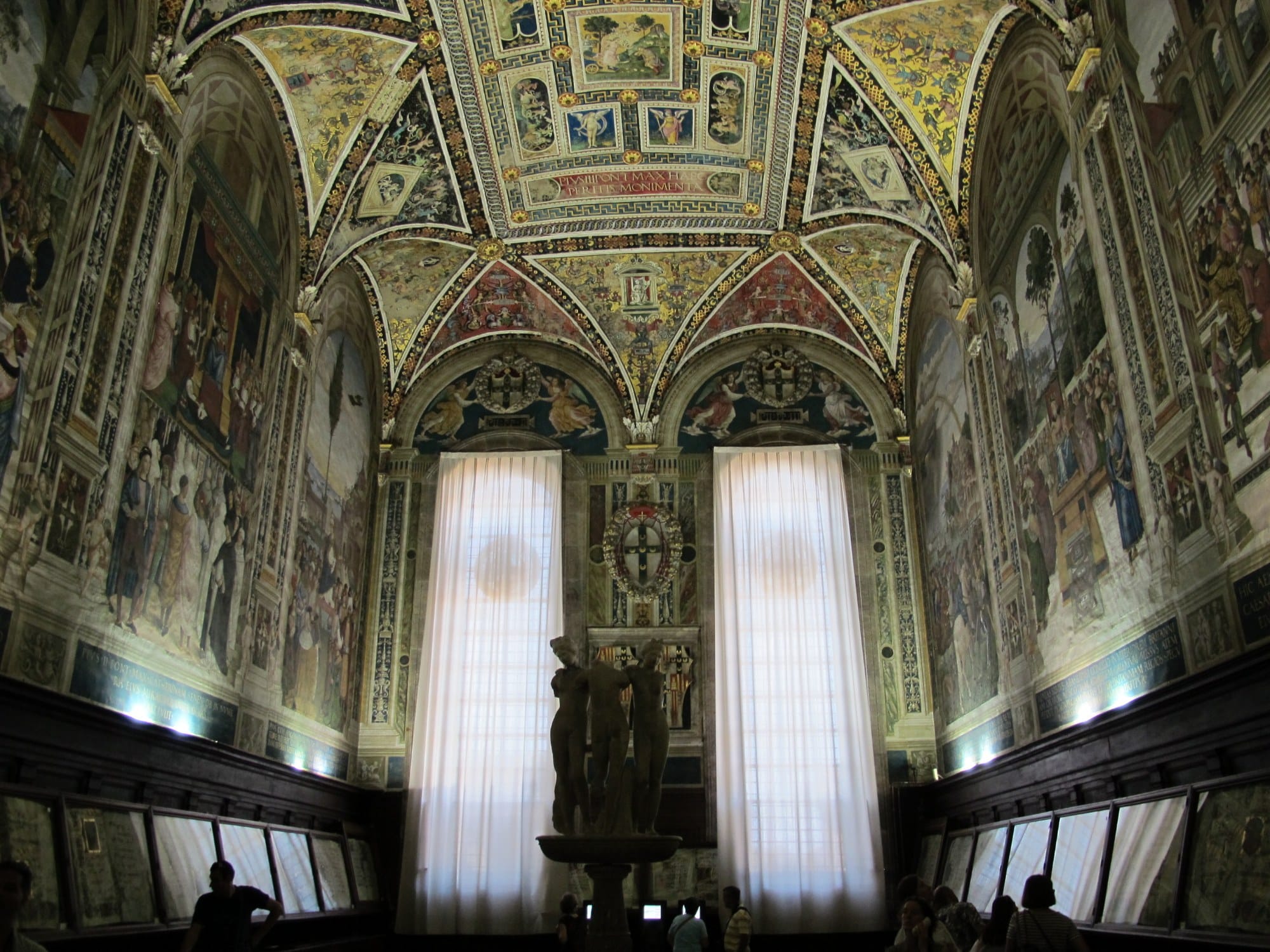
Then the Piccolomini Library, on the left of the nave. It was commissioned by Cardinal Francesco Todeschini Piccolomini, who would become Pope Pius III, for the books of his uncle, Pius II: the same pope who had a whole town built at Pienza to look at the landscape. Pinturicchio frescoed it between 1503 and 1508 with the life of Pius II in ten scenes, and a young Raphael made some of the preparatory drawings. You walk in, you look up, and the colours seem to have gone on yesterday.
The Facciatone and the Museo dell'Opera
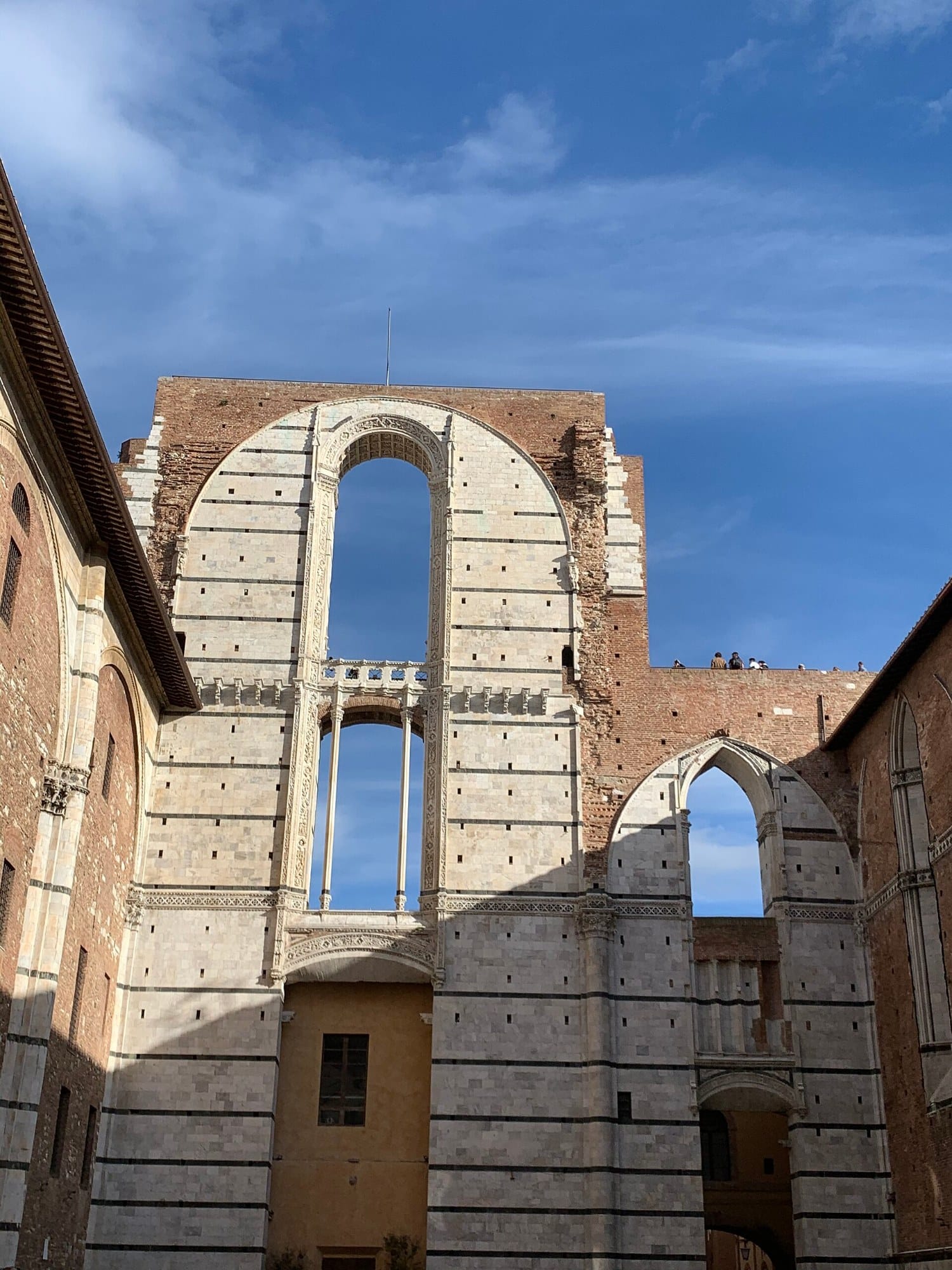
The last thing on the pass is the best. The Museo dell'Opera is inside the walls of the New Cathedral, the enormous church Siena approved in 1339, which would have turned today's cathedral into a transept; the plague of 1348 slowed the work, and in 1357 the city gave up for good. Inside is Duccio's Maestà, painted between 1308 and 1311 and carried in procession through the streets on 9 June 1311: with the Pinacoteca closed, this is where you see Sienese painting. Don't skip it to rush to the top.
Then you climb on foot and come out on the Facciatone, the facade of the church that was never finished, to walk along a wall that holds up nothing. The view is the tower's view turned round: over there the Campo and the tower, over here the cathedral, and the hills all around. If the tower tickets had run out in the morning, the Facciatone gives you almost everything back.
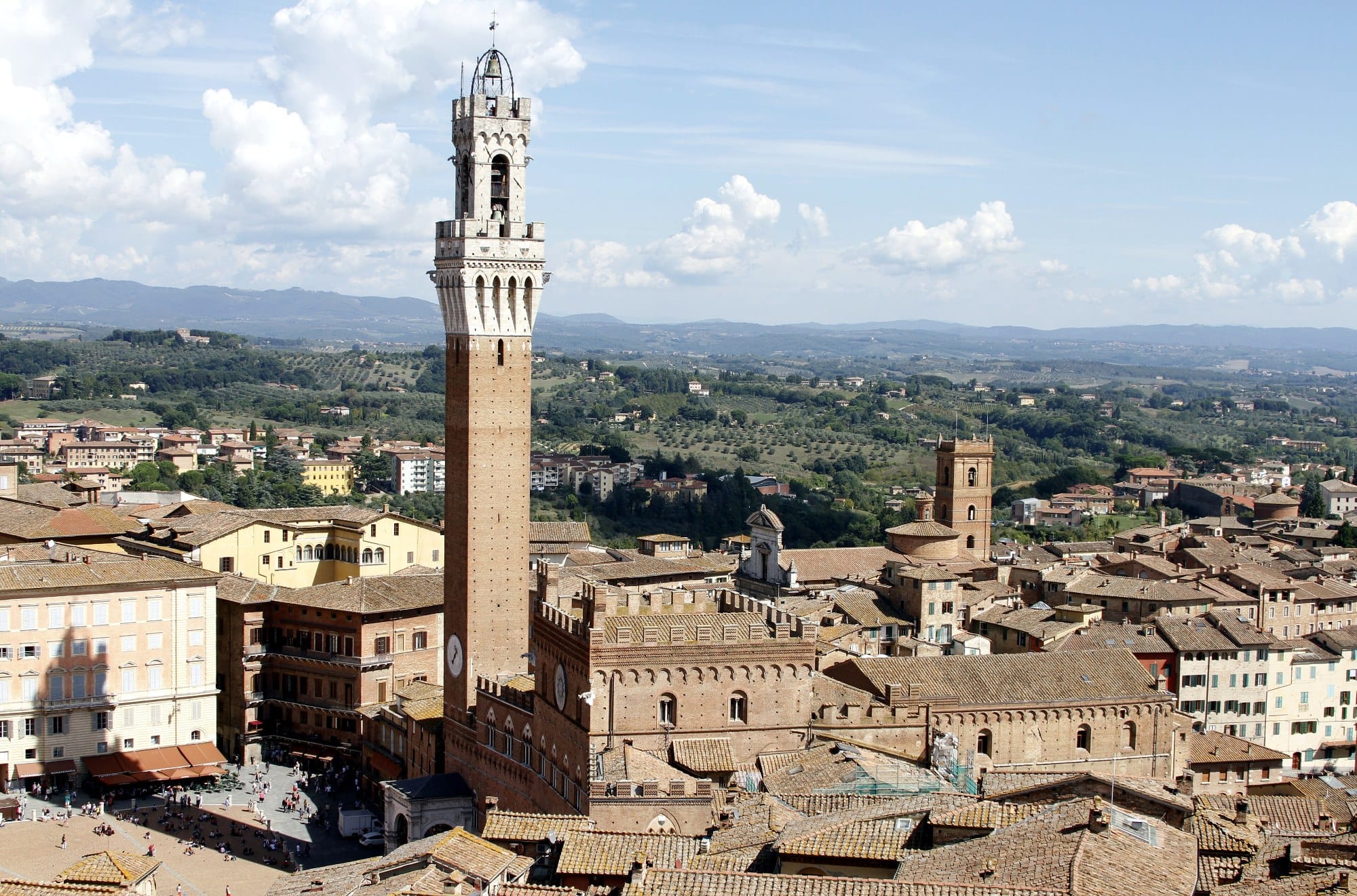
Santa Maria della Scala
Facing the cathedral is one of the oldest hospitals in Europe: documented from 1090, it cared for pilgrims and the sick for nine hundred years, until 1995, when almost all its wards moved to the new hospital at Le Scotte, outside the walls. Today it is a museum, dug deep into the hill. The Pellegrinaio, the long ward painted between 1441 and 1444 with scenes of hospital life, is worth the ticket on its own, and further down, in the old hayloft, are the original marbles of the Fonte Gaia. Tickets cost €9, €8 online, and entry is free on the first Sunday of the month. In winter, from 1 November to 14 March, it is closed on Tuesdays; on the other weekdays it is open from 10 am to 5 pm, at weekends until 7 pm. If you only have one day and the afternoon is short, this is what you skip. With a night, do it the next morning.
Fontebranda and San Domenico
And here is the second step off the route. From the cathedral, walk back along Via di Città for a couple of hundred metres and turn into Via della Galluzza, which drops steeply under a row of arches between the houses, towards Saint Catherine's house and Fontebranda. In a few minutes the noise of the centre is gone, and you are in a valley.
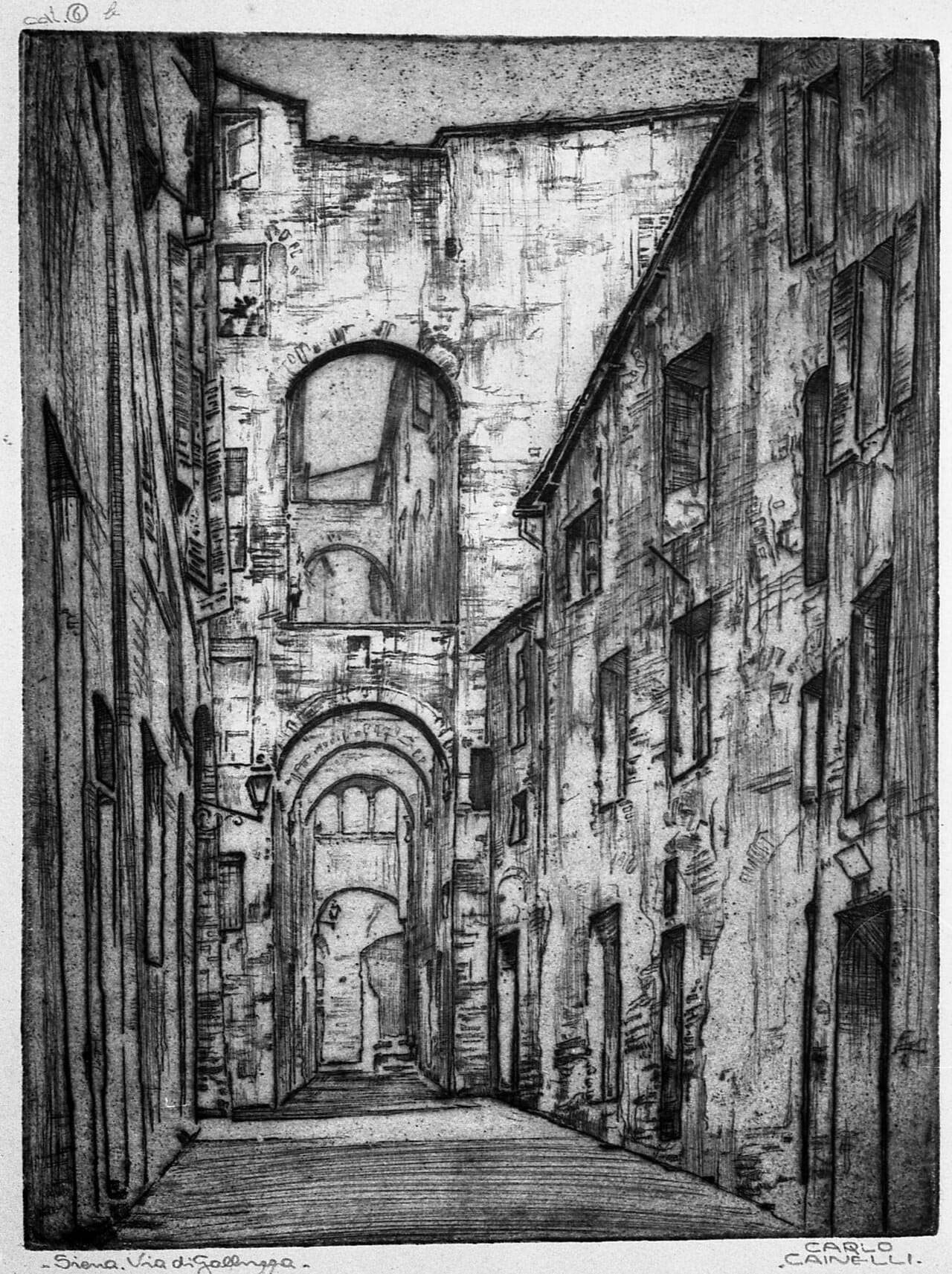
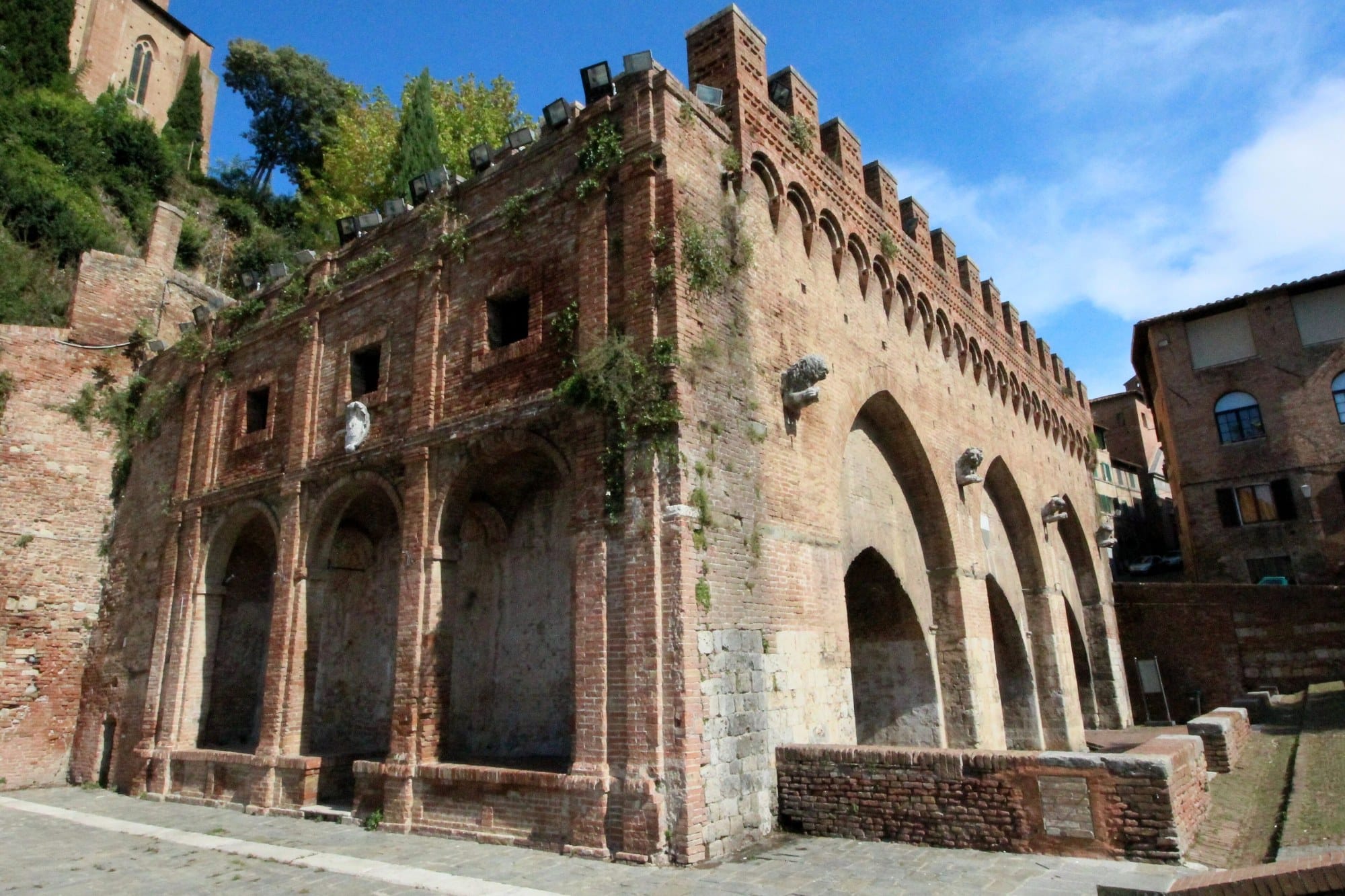
At the bottom is Fontebranda, the grandest and best-watered of Siena's medieval fountains: three brick arches with battlements on top, in the form they were given in 1246, over a spring the records mention as early as 1081. It was the outlet of the oldest bottino, a tunnel about seven and a half kilometres long. It had three basins in a row: the first for drinking, the second for horses, the third for washing. The water that was left ran down to the tanners, the dyers and the mills, and a whole neighbourhood worked around the fountain: among them, in the fourteenth century, a dyer who had a daughter called Caterina. The basin is still there, full, open to anyone passing by, and the contrada of the Oca baptises its members in it.
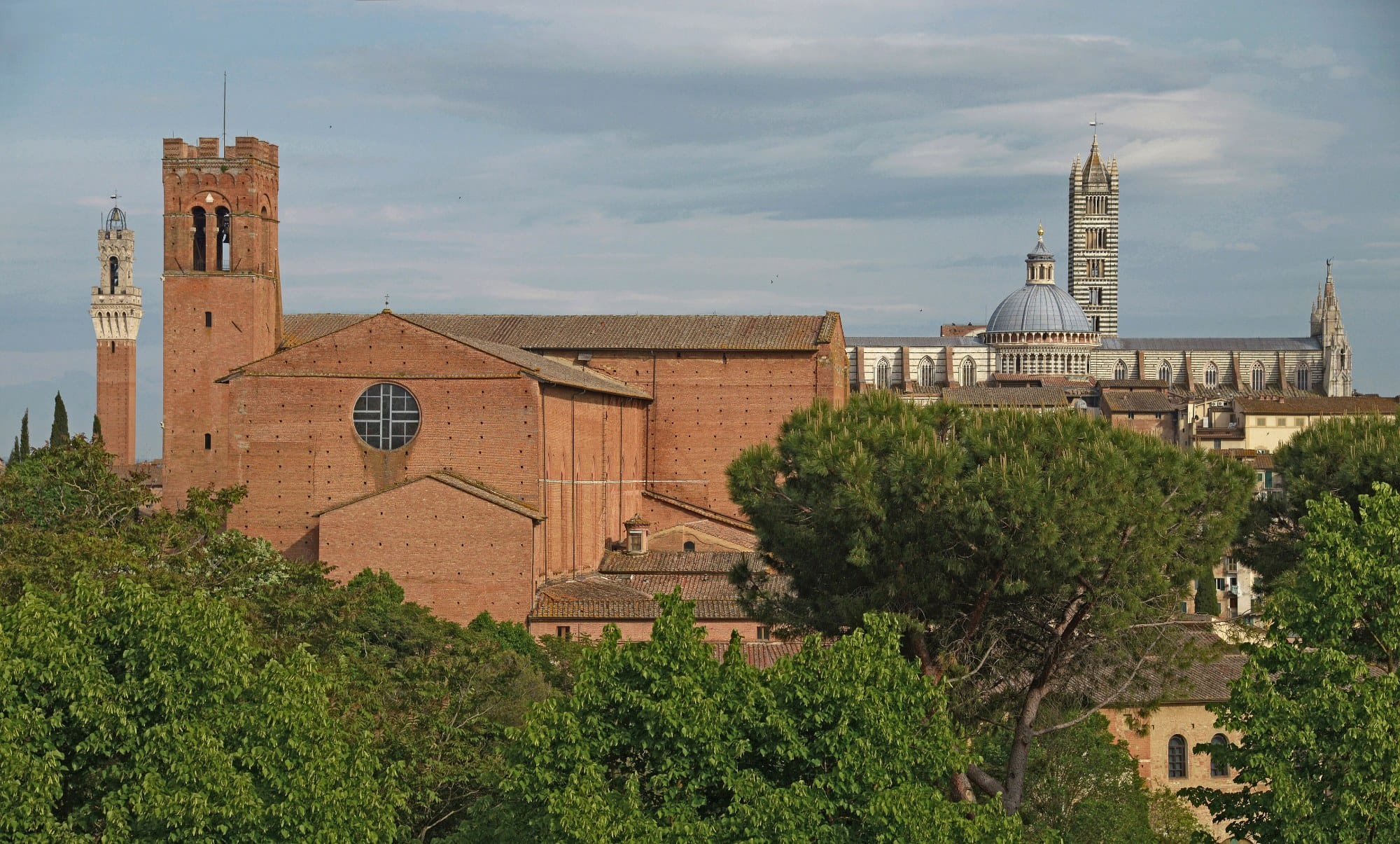
Above the fountain is that daughter's house, Saint Catherine's, now a sanctuary; higher still, on the hill facing the cathedral, is the basilica of San Domenico, an enormous, almost bare brick church, where her head is kept in the saint's chapel. Entry to the basilica is free. Come out onto the square and look back: the cathedral, across the valley, is the postcard everyone looks for from the Campo and never finds.
Sunset at the Fortezza Medicea
From San Domenico it is a few minutes on foot to the Fortezza Medicea. It is the monument to the defeat: after Siena fell, in 1555, Cosimo I de' Medici had it built between 1561 and 1563, to a design by Baldassarre Lanci. Since its restoration in 1937 it has been a public park, always open and free, and you can walk along the bastions. If you want an image for the title of the essay, the city that never really lost, this is it: the winners' fortress turned into the losers' garden.
From the bastions, at sunset, the whole city is lined up in front of you: San Domenico, the tower, the cathedral. In winter the sun sets at about a quarter to five, so get there early; in summer, take your time.
Back to the Campo at dusk
Walk back down to the Campo along Banchi di Sopra once the coaches have gone. The square empties, the brick holds the warmth of the day, the tower lights up against the sky. It is the hour when you understand why some people stay the night in Siena.
The Pinacoteca is closed
The Pinacoteca Nazionale, where Duccio, Simone Martini, Sassetta and the whole Sienese school hang in chronological order, has been closed for works since 26 January 2026, and there is no reopening date. Meanwhile the other sites of the city's national museums stay open, such as Palazzo Chigi Piccolomini alla Postierla. For Sienese painting today, go to the Museo dell'Opera for Duccio and to the Museo Civico for Simone and Lorenzetti.
The bottini, the medieval tunnels that carry water under the city, about twenty-five kilometres of them, can only be visited on tours run by the Comune, in small groups, by online booking, and never from June to August. If no tickets show on the page, there are no visits at that time. The fountains, on the other hand, are where the water of the bottini comes back to the light, and Fontebranda you can see for free, at any hour.
What to eat in Siena
Siena has no dish entirely its own, the way Florence has its steak, but the sweets really are Sienese.
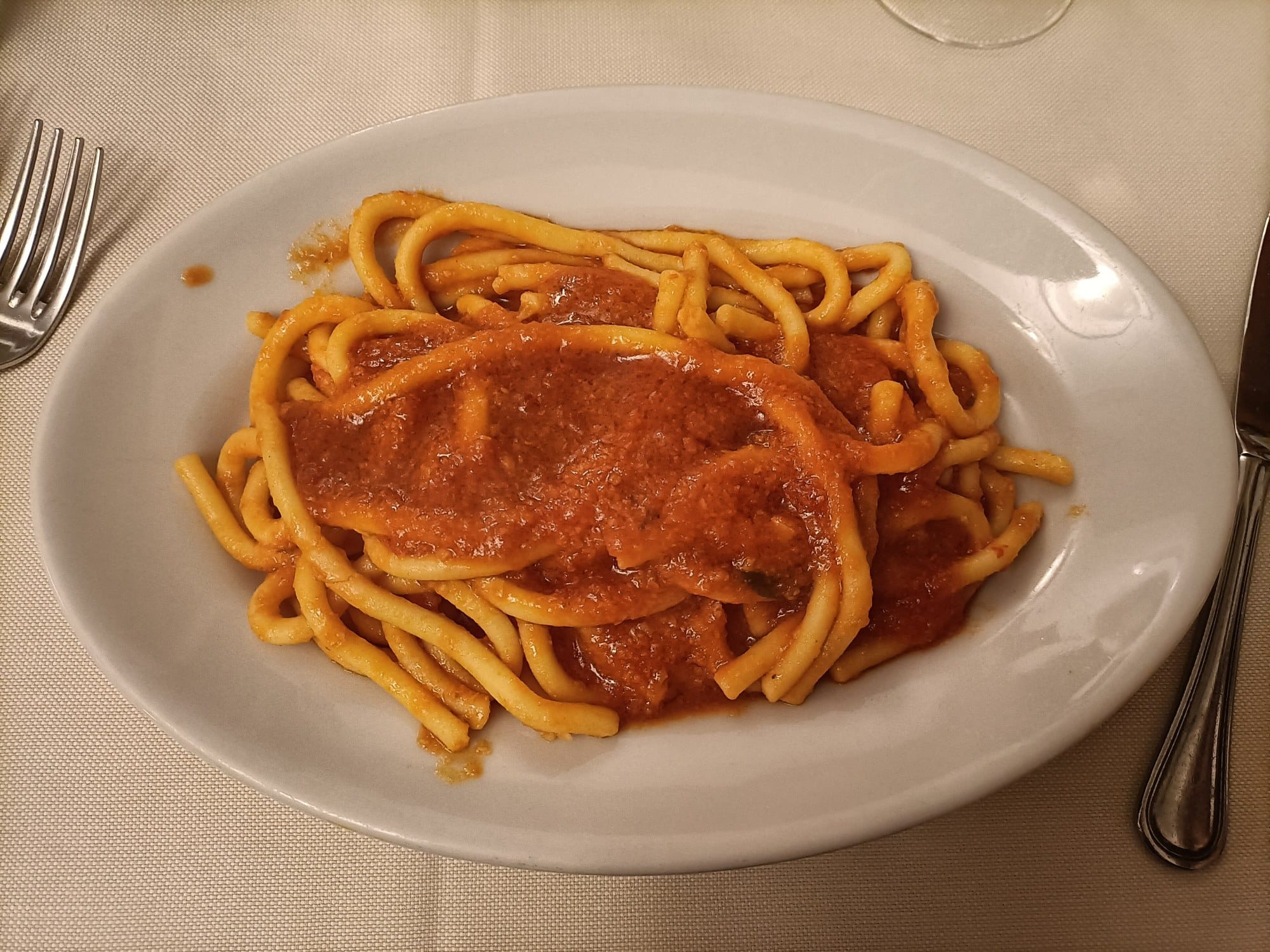
Pici. Fat spaghetti of nothing but flour and water, rolled by hand one by one, thick and a little uneven: they come from southern Tuscany, the Val d'Orcia and the Val di Chiana, and in Siena you find them everywhere. The version to order is all'aglione, with tomato and the aglione of the Valdichiana, a garlic with cloves the size of walnuts.
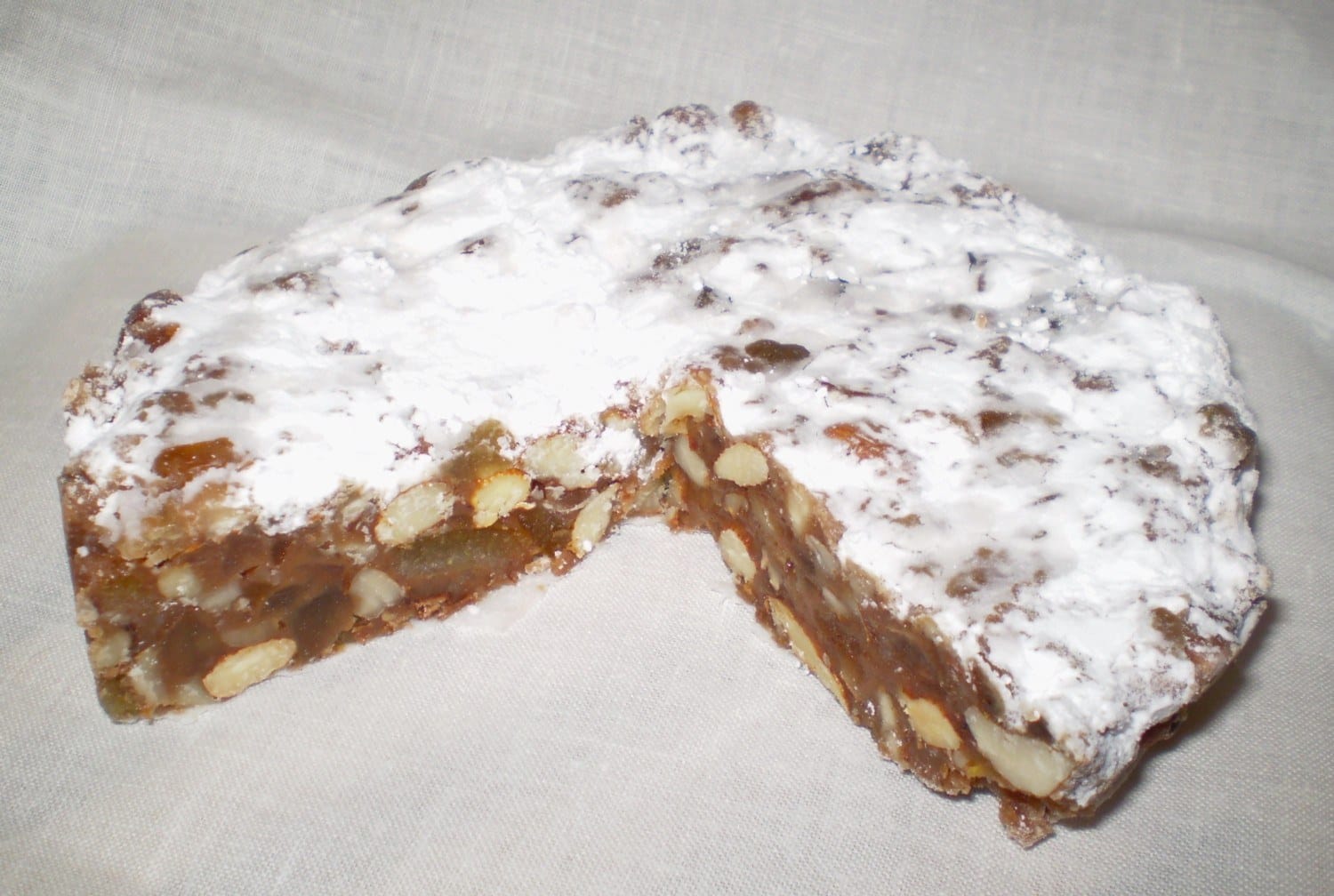
Panforte. Candied fruit, almonds, honey and spices, pressed into a low disc. It has had PGI status since 2013, and there are two kinds: the white, called Margherita, under a veil of icing sugar, and the black, spicier, heir to the old panpepato. If you take home only one sweet, take this one: it is compact, and it won't break in your suitcase.
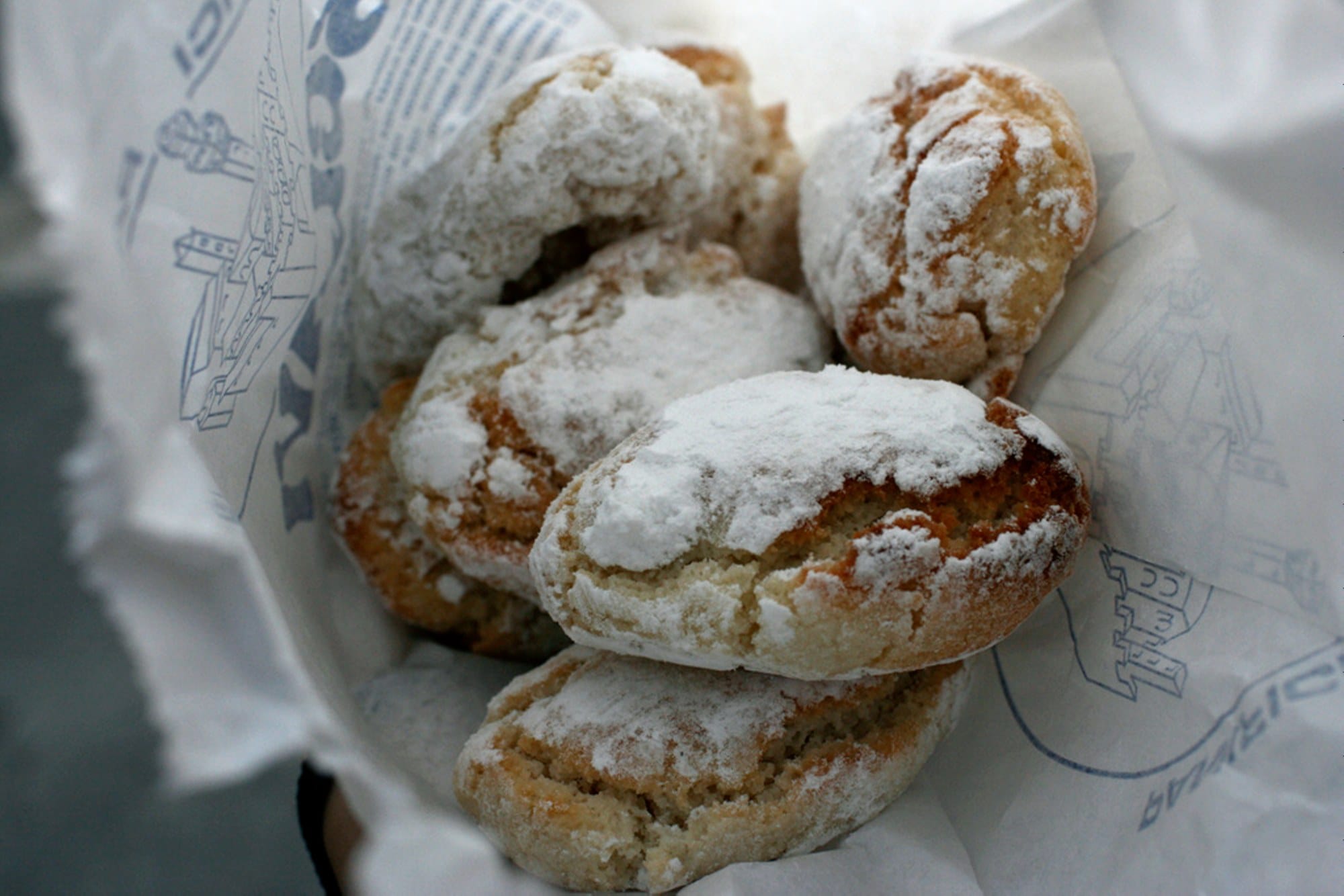
Ricciarelli. Soft almond biscuits, diamond-shaped, with a white, cracked top. They have had PGI status since 2010: according to the body that certifies them, the first Italian baked sweet to get it. Eat them with a dessert wine, or on their own, just bought, in the street.
The others. Cavallucci, biscuits with walnuts and spices and no eggs. Copate, a honey, walnut and aniseed brittle closed between two wafers. And if you are there between the end of October and November, pan co' santi, the sweet bread of All Saints, with walnuts, raisins and pepper, which in Siena is only made in this season. You'll find them in the bakeries and pastry shops of the centre; we won't give you a name.
Where to stay in Siena
By area, not by name. The area around San Domenico is quieter than the centre, and in the evening it looks at the cathedral across the valley. Inside the walls you are fine if the hotel has a garage or registers your number plate for the traffic zone; otherwise stay outside, with a car park, and go up on the escalators.
The Palio: dates and tickets
The Palio is run twice a year, on 2 July and 16 August; in 2027 they fall on a Friday and a Monday. If it rains, it is postponed: in 2026 the August race slipped to the 18th. There are seventeen contrade and ten of them run, seven by right and three drawn by lot; the horses are assigned by another draw, the tratta, a few days before, and from that evening there are six trial races, two a day. The race itself is over almost before it starts; the week around it is the rest.
Standing in the middle of the square is free, but you go in hours before, the entrances close one after another, and you can't leave until the end. The seats on the stands around the square are sold by their owners, shops and residents, or by agencies; there is no central ticket office, so buy only from whoever actually owns the stand. Prices run to hundreds of euros for a stand, more for a balcony. The Palio is not a show for tourists: it is the city reorganising itself into its contrade, and the essay explains why.
Even outside the Palio you can see the contrade, if you know where to look. The flags on the iron holders mark their territory; the plaques on the corners mark their borders. Almost every contrada has its own small fountain, nearly all of them from after the Second World War, where its members are baptised with the contrada's water; the Oca uses Fontebranda. The contrada museums can be visited by appointment, by calling the contrada. And then there are the she-wolves: the wolf suckling the twins, because legend has Siena founded by Senius and Aschius, sons of Remus, who fled Rome on a white horse and a black one, the colours of the balzana. The columns with the she-wolf are in Piazza del Duomo, Piazza Tolomei and Piazza Postierla; counting them is a good game for children, and for anyone pretending not to be one.
Best time to visit Siena
Spring and autumn. In summer it is hot, the heat of brick that rises from the ground as well; and on 2 July and 16 August the Campo is full for hours and the car parks are taken. In winter Siena is yours, but the tower closes at four, the cathedral at half past five until Christmas, and the floor is covered. November has a consolation prize: pan co' santi.
Near Siena: Monteriggioni and San Gimignano
On the road to Florence, twenty minutes or so north of Siena, Monteriggioni is a ring of walls on a hill: the Sienese built them between 1213 and 1219, fourteen towers survive, and Dante remembers them in Canto XXXI of the Inferno. You can walk on the walls, and the village inside them takes no time to walk round. Buses 130 and 131 pass by too, with a stop about half a kilometre from the castle.
San Gimignano is further west, about forty kilometres from Siena, and without a car you get there on the 130 bus, sometimes changing at Poggibonsi. Together, Siena and San Gimignano are too much for one day; with a night in Siena, half a day each works.